
Recognition of New York Fashion Week’s origins has narrowed because major museums and industry bodies do not fully connect the event to Ophelia DeVore’s Bryant Park runway presentations staged as early as 1969. The omission shifts credit away from organisers and communities who staged public shows, and it reduces how the industry and the public see Black contributions to the city’s runway infrastructure.
The Story in Pictures
The Smithsonian’s National Museum of African American History and Culture holds items associated with DeVore, including a 1961 pharaonic black velvet scoop-neck evening gown, a straight skirt with gold sequins and geometric embroidery, and a black chiffon scarf with matching paillettes. The museum’s display ties those objects to summer lunchtime runway presentations in Bryant Park and suggests the format influenced later tented shows, but the exhibit text offers few specifics and the museum’s public affairs staff declined phone interview requests.
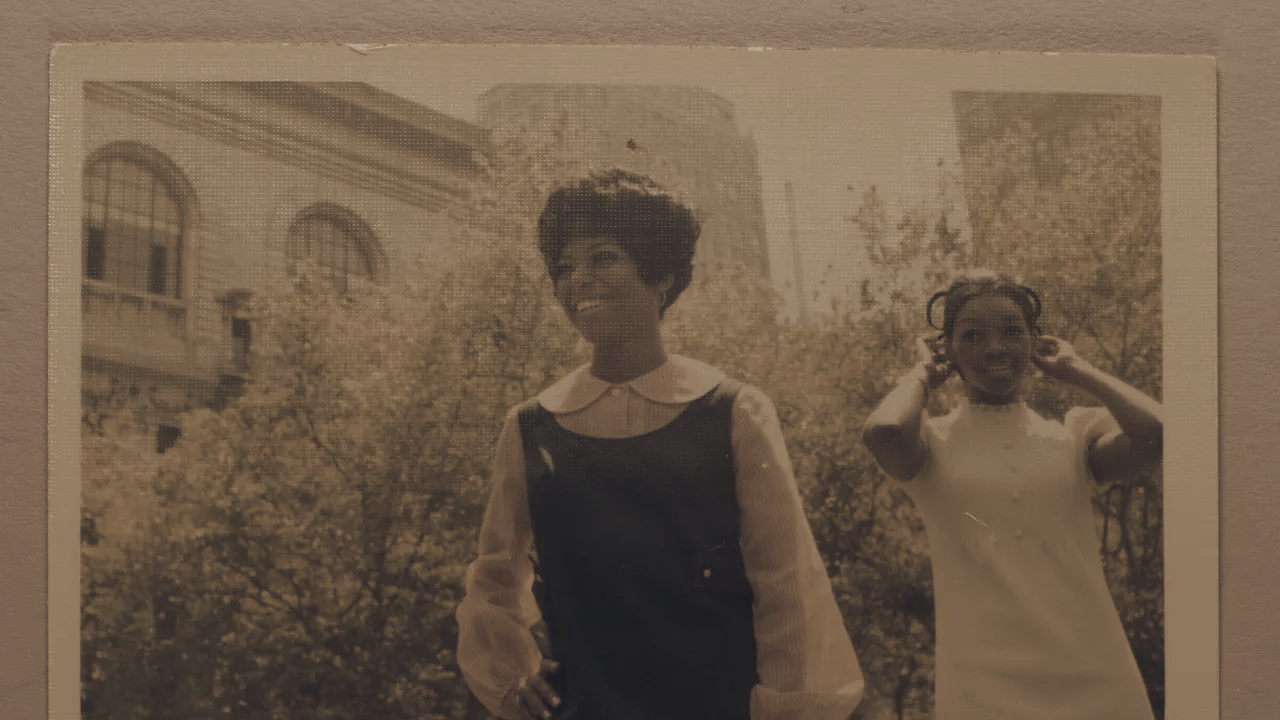
Contemporaneous press and archival material indicate DeVore staged public runway events in Bryant Park under names such as "Fashions in the Park" around 1970. Coverage in the Amsterdam News praised those presentations for featuring Black, Asian, and Spanish-speaking models of all ages and for using garments supplied by manufacturers and designers, while DeVore acted as commentator. The newspaper’s later obituary for DeVore did not foreground that chapter of her career.
DeVore’s influence extended beyond individual garments. Her Grace Del Marco agency and associated charm school helped launch the careers of Diahann Carroll, Dorothea Church, Gail Fisher, Trudy Haynes, Beah Richards, Richard Roundtree, Sue Simmons, Audrey Smaltz, Susan Taylor, Cicely Tyson, and Helen Williams. Despite that record, the Council of Fashion Designers of America does not list her on its website, and broader fashion histories tend to treat her work mainly as background activity rather than foundation for New York’s runway scene.
Archivists and historians warn that restricted access to primary sources deepens erasure. Emory University, which holds DeVore’s personal papers, enforces a 15-business-day wait to digitise items and has made very little of the collection publicly accessible in its 13 years as steward. Gabrielle Dudley, an Emory archivist who specialises in the Civil Rights Era, said, "Ophelia DeVore lived a long life, she died at 92, and these shows were maybe a blip to her," and added that within the Black fashion community the Bryant Park events were highly anticipated and meaningful.
Absent clearer institutional accounting, DeVore’s Bryant Park presentations remain a marginal footnote in mainstream fashion accounts. That constrains how the industry recognises early Black practitioners and limits the documentary trail scholars and the public can consult to reassess the origins of New York Fashion Week. The unresolved question is whether museums, archives, and industry organisations will make the material and interpretive changes needed to rewrite those origin stories.