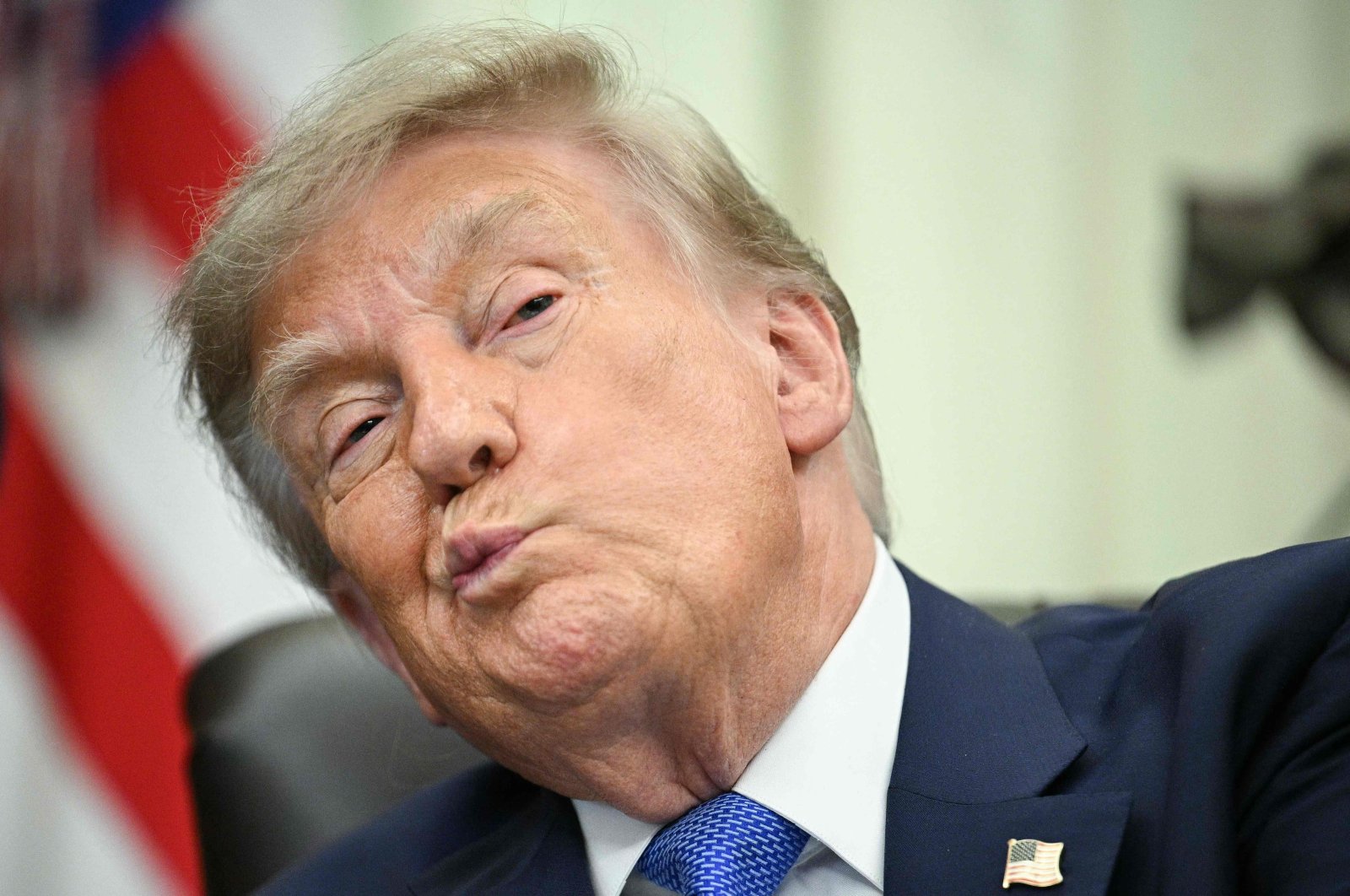

The United States faces further defeat, Iran's foreign minister Abbas Araghchi said, after President Donald Trump announced what he described as an unprecedented economic assault on Tehran. Araghchi rejected the move on Thursday, calling it an attempt to revive policies that have failed to meet Washington's goals and to shift attention from America's domestic economic troubles.
Araghchi set out his accusation in a post on X, saying, "The so-called 'Economic D-Day' is a diversion from America’s own crisis: unprecedented debt & surging interest costs. Doubling down on failed policies will only bring further defeat and enmity of Iranians," He added, "US economic terrorism threatens the global economy and sovereignty worldwide."
Trump announced the measures on Truth Social, framing them as unparalleled pressure. "Today, I am announcing the MOST CRUSHING ECONOMIC OPERATION EVER TAKEN AGAINST ANY COUNTRY! This will be Economic Warfare and Isolation on an unprecedented scale," he wrote, and warned that, "ANY country that allows its financial institutions, businesses, airports, or government entities to provide any type of lifeline to Iran will itself face TREMENDOUS Economic Consequences."
The exchange follows a period of open hostilities that began on February 28, when US and Israeli attacks on Iran led to retaliatory Iranian strikes across the region. An April 8 ceasefire ended the most intense fighting, but tensions have continued, notably around the Strait of Hormuz, a key route for global energy supplies. Tehran has maintained a blockade of the strait, and has linked any reopening to three demands: an end to a US naval blockade on Iranian ports, removal of oil sanctions and the release of Iranian assets held abroad.
Trump's return to office in January 2025 brought a revival of the "maximum economic pressure" strategy used during his first presidency, with wide-reaching sanctions reinstated. Iran has repeatedly rejected that approach, arguing economic coercion will not change its policies.
The standoff remains unresolved. Washington continues to press Tehran with intensified sanctions, while Tehran conditions a reopening of strategic waterways on concrete reversals of those measures and the release of funds, leaving the prospects for de-escalation dependent on whether either side alters its current demands.