
Ordinary New Yorkers are increasingly shut out as the US Open shifts from a neighborhood sporting tradition into a high‑demand entertainment festival. Record attendance and a booming hospitality scene have turned the tournament into a late‑summer destination for celebrities, sponsors and social media moments, and that surge of interest has driven prices well beyond what longtime fans expect.
The sticker shock sparked a rare alignment between critics from opposite sides of New York politics. Billionaire investor Bill Ackman publicly questioned why a day one grounds pass was listed at $363, saying, “The US Open is owned by the USTA which is a non‑profit,” and that a $363 pass seemed inconsistent with the organisation’s mission to promote tennis. New York city council member Zohran Mamdani responded by arranging 1,000 tickets at $100 for residents, an offer that drew more than 336,000 applicants.
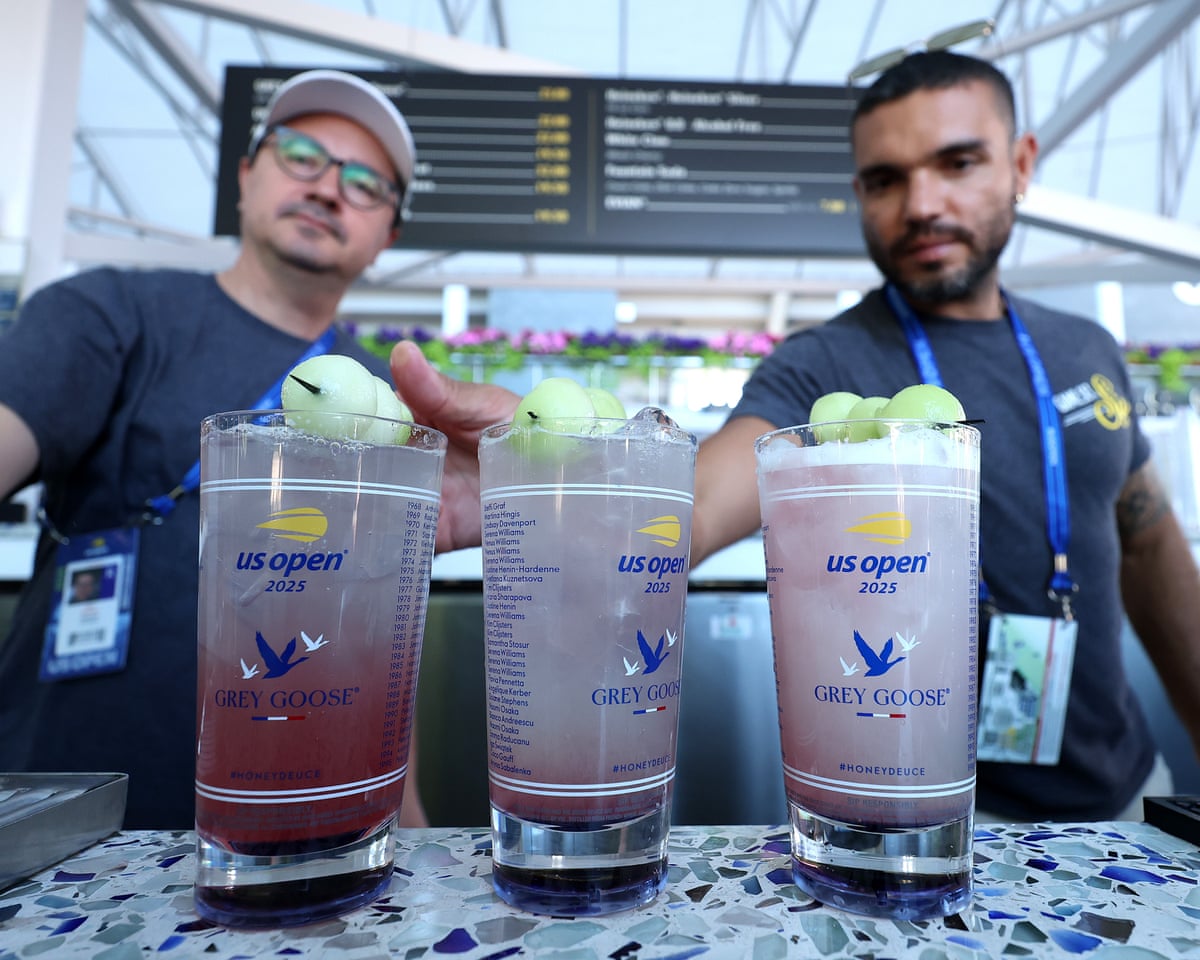
Part of the squeeze is simple economics, demand outpacing supply, and the tournament’s own expansion of what it sells. The Open drew more than one million visitors for the first time in 2024 and now blends sport, fashion and dining into a sprawling three‑week program. Items such as the $23 Honey Deuce have become cultural signifiers as much as refreshment, and Arthur Ashe Stadium often feels like an element of a larger social event.
The mechanics of the ticket market amplify the effect. Many general‑admission tickets start at $65 but can trade for multiples of that amount on the tournament’s resale marketplace. Ticketmaster handles both initial sales and the verified resale platform, and the USTA acknowledges receiving a portion of resale fees, though it declined to disclose how much that generates each year. The USTA argues limiting resale on Ticketmaster would push buyers toward less secure third‑party sites.
Incoming USTA chief executive Craig Tiley, who ran Tennis Australia and the Australian Open for more than two decades, has signalled a deliberate pivot toward further growth. He described his long‑term vision bluntly, saying, “This will become the tennis Disneyland,” and called the appetite to attend Flushing Meadows an “insatiable appetite” and a “nice problem,” while warning there are limits to simply packing the precinct for its own sake. His comments suggest the organisation intends to expand experiences rather than shrink the event.
The immediate picture leaves affordability unresolved. The tournament’s popularity and the current resale model are generating repeated revenue streams from individual tickets, while demand shows no sign of cooling. With leadership openly pushing for a larger, more commercialised event and the USTA declining to specify its share of resale income, ordinary fans face an uphill battle to keep the Open accessible.