
Local health services in the eastern Democratic Republic of Congo risk being overwhelmed after authorities recorded 6,041 confirmed Ebola infections and 2,911 deaths as of August 31. The outbreak began on May 15 and has expanded rapidly, touching six provinces and dozens of health zones, a footprint larger than any previous national epidemic.
Ituri province is the current epicentre, but new infections have also been reported in North Kivu, South Kivu, Haut-Uélé, Tshopo and Bas-Uélé. By August 26 the response had to contend with cases spread across 60 health zones, complicating efforts to find, test and treat patients across a vast and often insecure area.
This epidemic is driven by the Bundibugyo virus, an uncommon Ebola strain for which no approved vaccine or specific approved treatment exists. That gap has made interrupting chains of transmission more difficult and raised the stakes for frontline teams attempting ring vaccination or targeted therapy in other outbreaks.
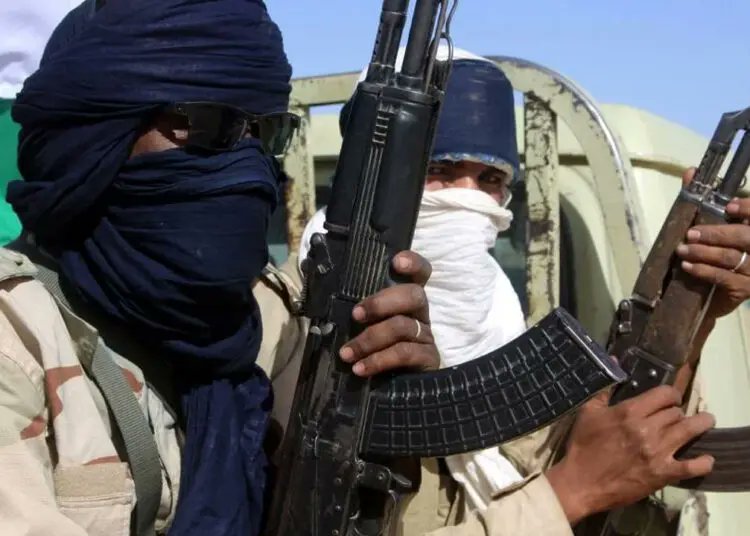
Conflict and population movement are aggravating the health emergency. Response teams operate in areas affected by armed violence and displacement, limiting access to affected communities and slowing contact tracing. A strike by health workers has further stretched capacity, reducing the workforce available to run surveillance, laboratories and treatment centres.
Mortality remains high. World Health Organization data put the case fatality ratio at about 48 percent, underscoring how lethal infections are where detection and timely care are delayed. Still, authorities have reported 1,366 recoveries, a sign that some patients are surviving with clinical support.
The WHO has assessed the overall risk as very high inside the DRC and high in neighbouring states, highlighting the possibility of cross-border spread. The agency also warned the epidemic is expanding faster than prior DRC outbreaks and said it could grow into something comparable with major past epidemics unless transmission is checked.
Governments and international partners are scaling up surveillance, testing, treatment capacity and community engagement to slow transmission. With insecurity, displacement and workforce shortages constraining the response, public health teams face a race against time to contain an outbreak that already exceeds the country’s previous record of 3,317 cases logged between 2018 and 2020.