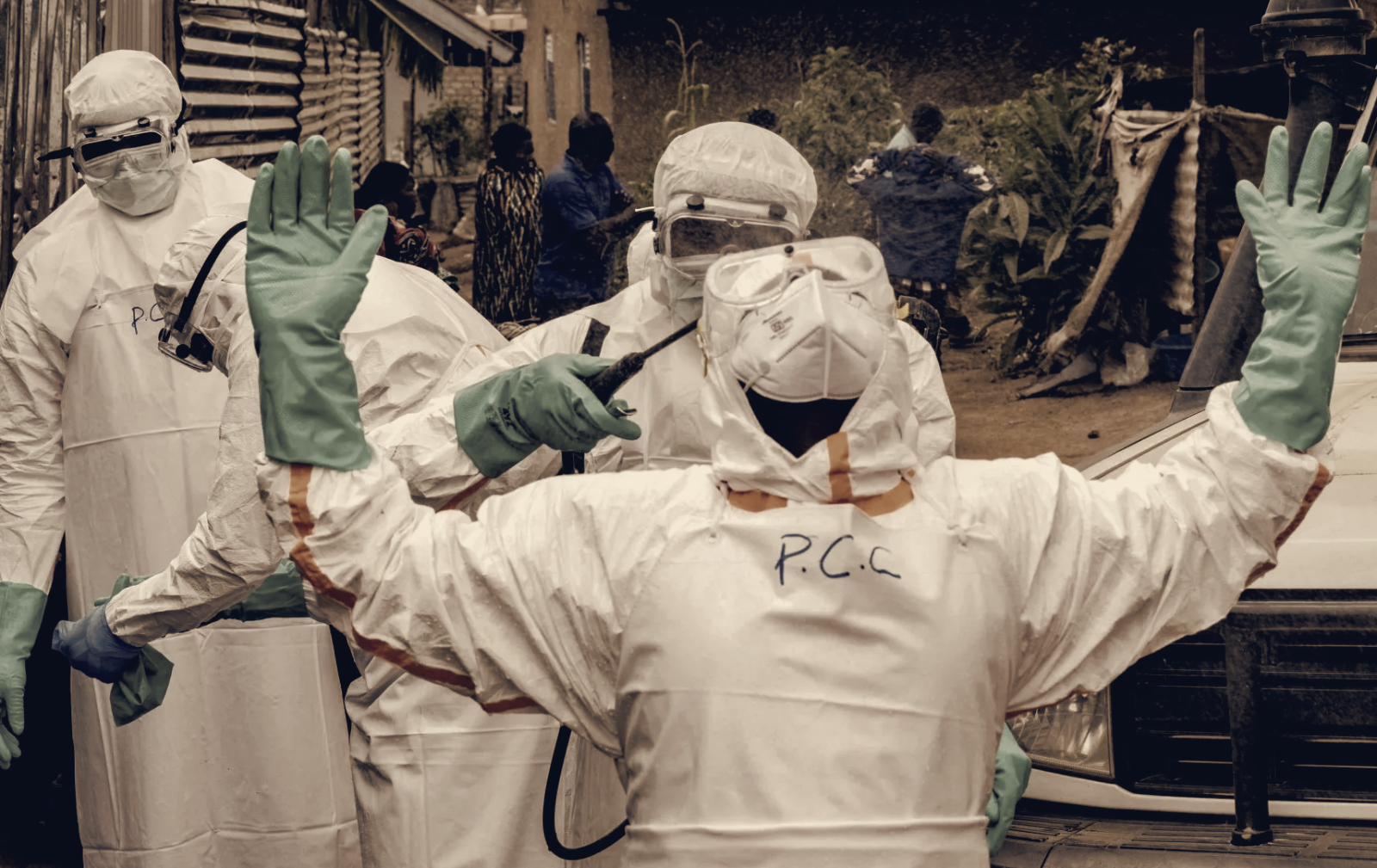

The Democratic Republic of Congo has added vaccination to its emergency response, launching a campaign intended to blunt what is being described as the country’s deadliest Ebola outbreak. The move marks a clear escalation in tactics, shifting the effort beyond containment and case management toward active immunisation.
Details published by Al Jazeera indicate the government is now rolling out vaccines as part of the public health response. The launch reframes the operational priorities for health teams, who must coordinate delivery, storage and administration of doses while continuing patient care and surveillance. Introducing vaccination alters both the logistical burden and the measures used to judge progress against the disease.
For affected communities the campaign presents both opportunity and challenge. Vaccination offers a direct intervention intended to reduce vulnerability to infection, but its success depends on uptake and reliable delivery systems. That places immediate demands on local health services and on any partners assisting with the response.
The decision to deploy vaccines also changes how the outbreak will be monitored. Authorities will need to track immunisation coverage alongside case numbers, and outcomes in vaccinated populations will shape assessments of the campaign’s effectiveness. The vaccination drive becomes a central variable in whether transmission slows and the outbreak is brought under control.
What happens next is straightforward: the campaign must be carried out at scale and sustained long enough to affect transmission dynamics. Observers will watch whether vaccination expands the response sufficiently to bend the outbreak curve. Al Jazeera’s report is the first public notice of the launch; the coming days will show how quickly and widely the campaign is implemented and whether it alters the outbreak’s trajectory.