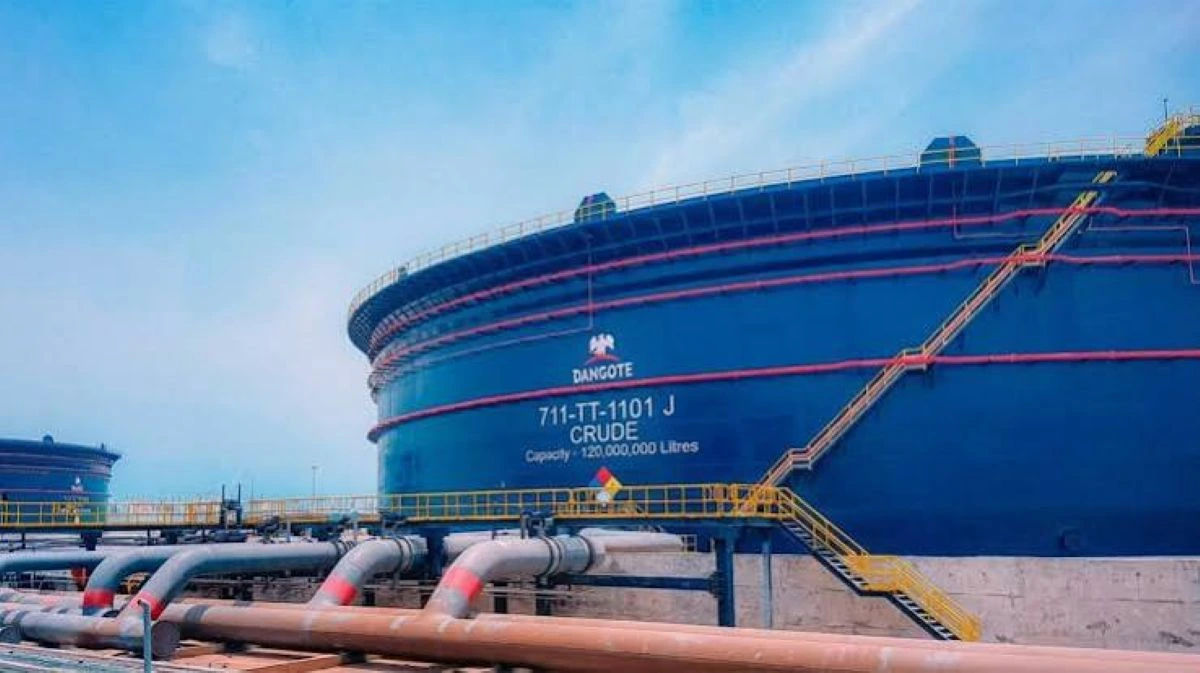

Import-dependent marketers risk losing access to petrol from Dangote Petroleum Refinery as the company moves to block distributors that continue importing Premium Motor Spirit, a source familiar with the refinery’s position said. The source added the restriction could be implemented as early as this week, pending further talks and potential last-minute intervention.
The refinery’s immediate alarm is that some marketers are mixing imported petrol with products bought from Dangote before selling to consumers. That practice, the source said, makes it difficult to tell which consignments were supplied directly by the refinery and which have been altered by third parties.
Dangote frames the move as a defence of product integrity, warning that blending with imported petrol of uncertain quality could damage the perception of products sold under its brand. The refinery sees transparency and traceability as essential now that domestic refining output is filling a market once dominated by imports.
The dispute arrives as Nigeria’s downstream sector pivots away from import dependence. Dangote’s refinery, with a capacity of 700,000 barrels per day, has become a major supplier to domestic and international buyers. The facility has also expanded its jet fuel footprint, with supplies to Europe outpacing traditional exporters from the United States and the Middle East for consecutive months.
The tension is not new. In November 2024 Dangote criticised an unnamed international trading company for allegedly hiring a nearby depot to "blend substandard products," a charge that highlighted the competitive and quality frictions between local refining output and imported fuel.
If enforced, supply limits would shift bargaining power toward domestic refiners and force import-reliant marketers to choose between changing sourcing practices or risking reduced offtake. The refinery's next steps will hinge on the consultations referenced by its source, and on whether any intervention persuades it to delay or soften the measure.