Nigerian deposit money banks increased their spending on advertising, promotions, and corporate gifts by 5.35% to N76.54bn in the first quarter of 2026. This represents a N3.89bn year-on-year increase, as lenders intensified their marketing and promotional activities. The average marketing expenditure among the banks rose to N6.96bn in Q1 2026, up from N6.60bn in Q12025. United Bank for Africa recorded the biggest marketing expenditure during the period, spending N15.68bn, a 177.69% increase from N5.65bn in Q12025.
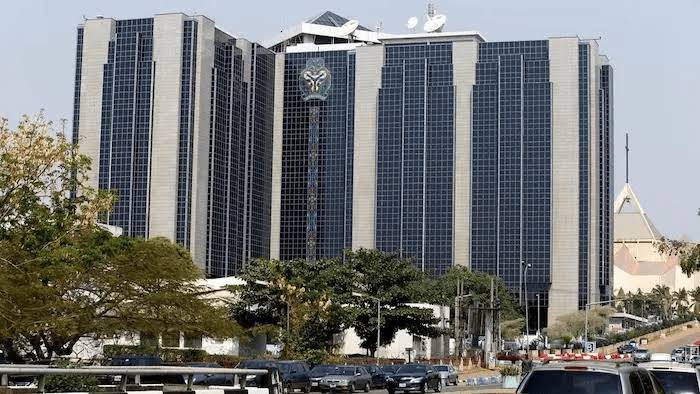
Fidelity Bank followed with N26.19bn, despite recording a 3.86% decline from N27.24bn. First HoldCo spent N13.58bn, down 29.07% from N19.14bn. Zenith Bank ranked next with N6.15bn, rising by 28.72% from N4.77bn. Among the banks that increased their marketing expenditure, Jaiz Bank recorded the highest percentage growth, with spending jumping 1,623.60% from N30.72m to N529.49m. The increase in marketing spend comes months after the Central Bank of Nigeria tightened its regulatory requirements for bank advertising and promotional activities.
The CBN directed banks to ensure that advertisements remained factual, balanced, and transparent, while prohibiting claims that could mislead consumers, obscure risks, or create unfair comparisons. Despite these regulations, banks collectively expanded their marketing expenditure in Q1 2026. The increase by United Bank for Africa alone exceeded the combined reductions recorded by Access Holdings, Fidelity Bank, FCMB Group, First HoldCo, and Guaranty Trust Holding Company, which together cut their spending by about N9.51bn. The spending pattern suggests that Nigerian banks are prioritizing marketing and promotional activities, despite regulatory scrutiny.
The implications of this trend are significant, as it indicates that banks are willing to invest heavily in marketing and advertising to attract customers and increase their market share. This could lead to increased competition among banks, potentially benefiting consumers through better services and products. However, it also raises concerns about the potential for misleading or deceptive advertising practices, which could harm consumers and undermine trust in the financial system. As the Central Bank of Nigeria continues to monitor and regulate bank advertising and promotional activities, it will be important to watch how this trend develops and its impact on the Nigerian banking sector.