
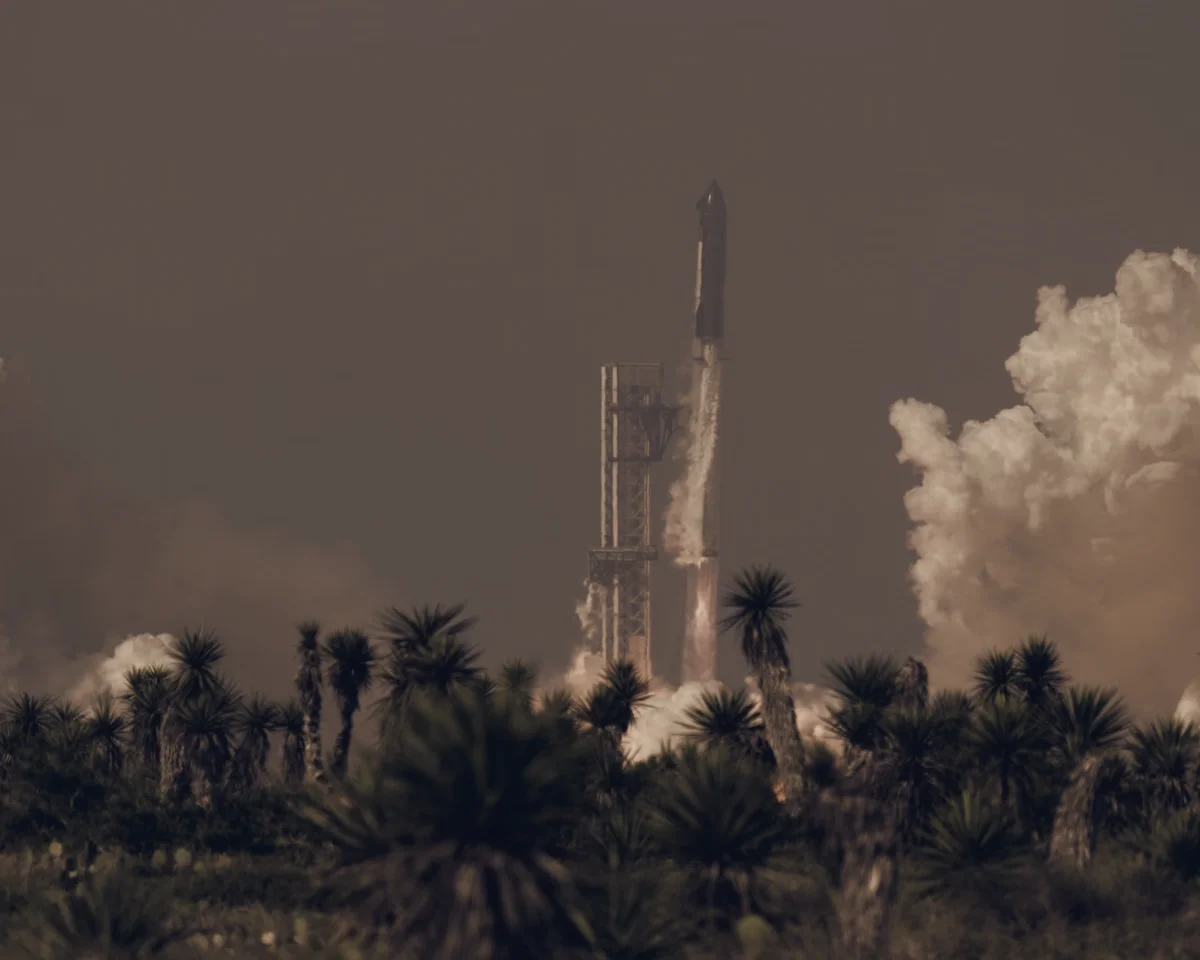
The immediate change is administrative: a federal judge declined to halt a parcel exchange that moves a piece of the Lower Rio Grande Valley National Wildlife Refuge toward SpaceX ownership, allowing the transfer to proceed while the legal challenge continues. US District Judge Fernando Rodriguez Jr refused a request for a preliminary injunction on Monday, saying the parties opposing the swap had not shown it would cause the kind of ecological harm that requires emergency court intervention.
The dispute centres on a deal the US Fish and Wildlife Service approved in June, under which SpaceX would give up 683 acres it controls in return for a parcel inside the roughly 103,000-acre refuge, which spans four Texas counties and contains wildlife habitat and historical sites. Maps in the case show the refuge tract sits closer to SpaceX’s launch complex near the US-Mexico border, a factor plaintiffs say raises the prospect of development and greater risk from expanding launch activity.
Plaintiffs led by the Center for Biological Diversity and joined by tribal organisations argued the swap would effectively open protected refuge land to industrial use. Laiken Jordahl, a spokesperson for the Center for Biological Diversity, said the deal amounted to a gift of public land and pledged the group would keep litigating. "This court order is not the final word. These lands hold incredible spiritual, historical and conservation value for the people and wildlife of South Texas. We won’t stop fighting to keep this irreplaceable public wildlife refuge safe from SpaceX bulldozers," Jordahl said.
Judge Rodriguez found that the plaintiffs had presented "relatively weak" evidence of imminent harm, and he concluded they offered no proof the property would suffer irreversible aesthetic, environmental, cultural, or historical degradation while the case proceeds. He also warned that an injunction would require changes to SpaceX’s development plans that could hinder the company’s ability to meet milestones and contractual obligations, a factor the court weighed against pausing the transfer.
The Fish and Wildlife Service’s final environmental assessment, issued in June, concluded the swap would cause "no significant impact" and that the acquisition would provide a "net conservation benefit," citing improved habitat connectivity across refuges in south Texas. The agency did not comment on Monday’s ruling; SpaceX did not respond to an email seeking comment.
The ruling lets the administrative exchange move forward, but it does not end the case. Plaintiffs will continue to press their legal claims in federal court, and the longer-term outcome will turn on whether they can establish a legal basis to modify or undo the swap during later proceedings.