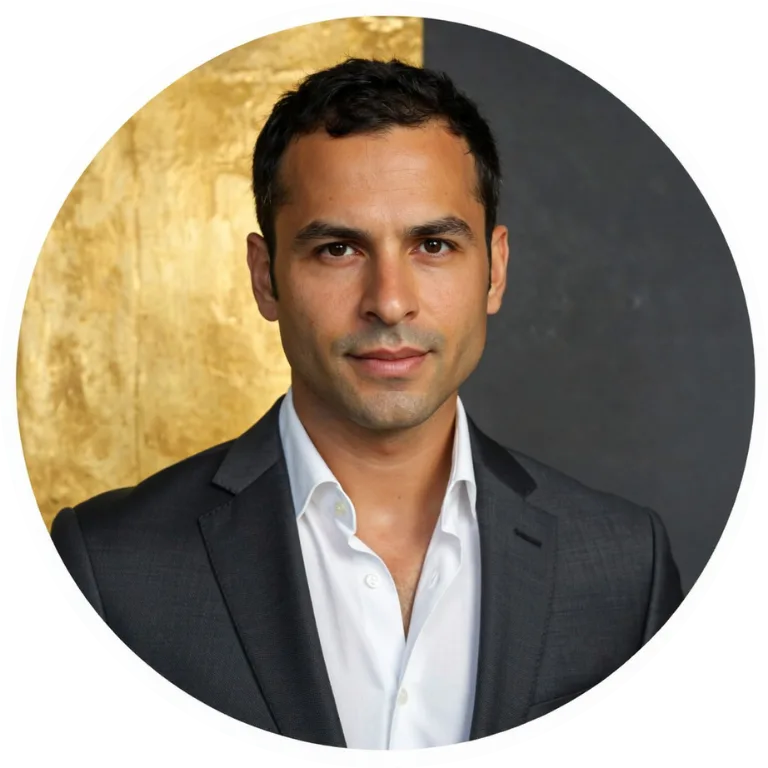
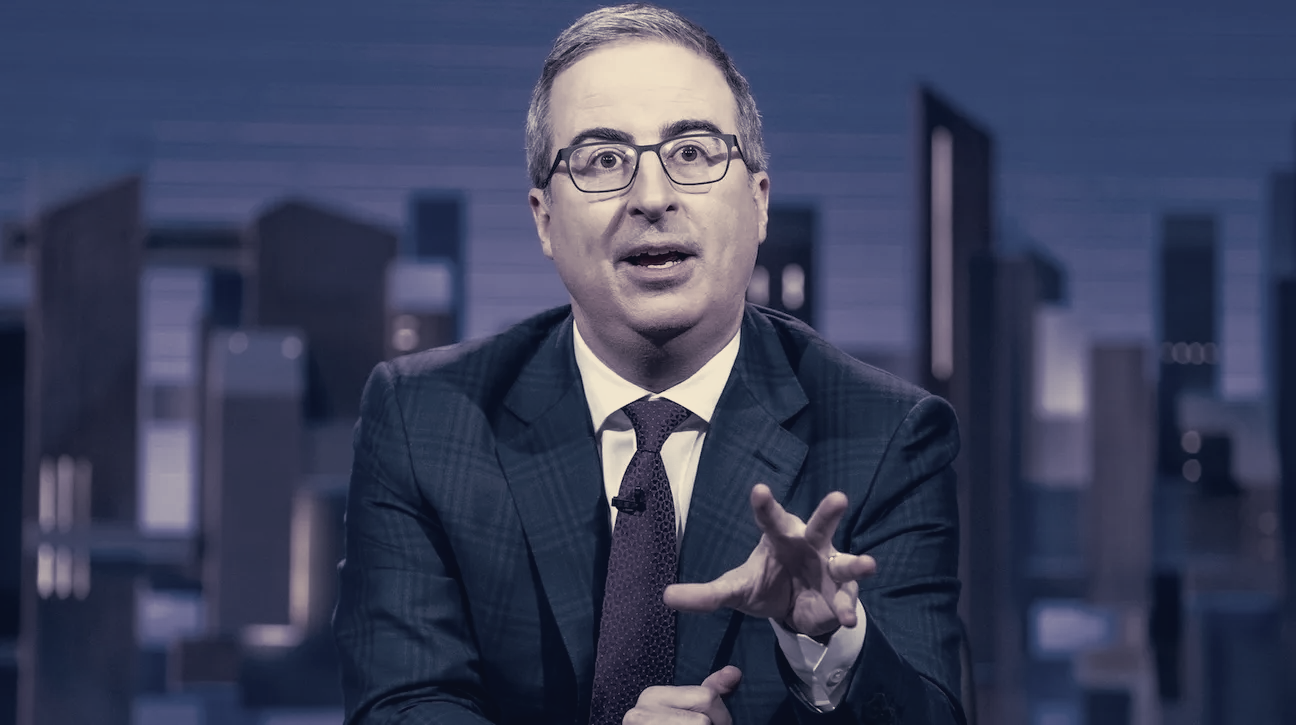
Regulators now face a public framing that links a high-profile media takeover to private wealth after John Oliver used Last Week Tonight to spotlight the financing behind David Ellison's bid. Oliver opened a broader critique of UnitedHealthCare's record on claims denials and threaded that theme into a visual punchline, using a photograph of David Ellison alongside his father, Larry Ellison.
As part of the segment, Oliver recounted cases in which patients were denied care, including one example in which parents paid $95,000 out of pocket for a cancer treatment that Oliver said was effective. He pivoted from those individual stories to the question of who gains access when wealth is the deciding factor, arguing that private resources should not be the mechanism for obtaining essential healthcare.
Oliver's rhetoric included a pair of direct lines aimed at the overlap of wealth and influence. He said, "Having access to wealthy parents just cannot be the system to get badly needed healthcare, even if it is apparently the system that lets you be in charge of HBO," and later added, "Yeah, my soon-to-be business daddy has a literal business daddy." Those remarks tied the television bit to a financing detail reported in the transaction: Larry Ellison has agreed to personally backstop $40.4 billion in equity financing tied to the Paramount-WBD deal.
David Ellison, through his role at Paramount Skydance, is seeking regulator approval to acquire Warner Bros. Discovery, the holder of HBO. Oliver closed the segment by acknowledging the personal angle in a tongue-in-cheek line, saying, "And to be very clear, I deeply respect that and I would never make fun of you for it, unlike that pesky Stephen Colbert." The program also noted that Luigi Mangione is due to be sentenced in December for killing CEO Brian Thompson, an episode the show said had drawn public reaction amid broader frustration with UnitedHealthCare.
The net effect is to cast the Paramount-WBD transaction not only as a commercial negotiation but also as a story about how private capital shapes access to public goods like healthcare. With regulators continuing their review, that framing keeps the role of Larry Ellison's financing in the headlines and places a political and social lens over what might otherwise be treated as a routine approval process.