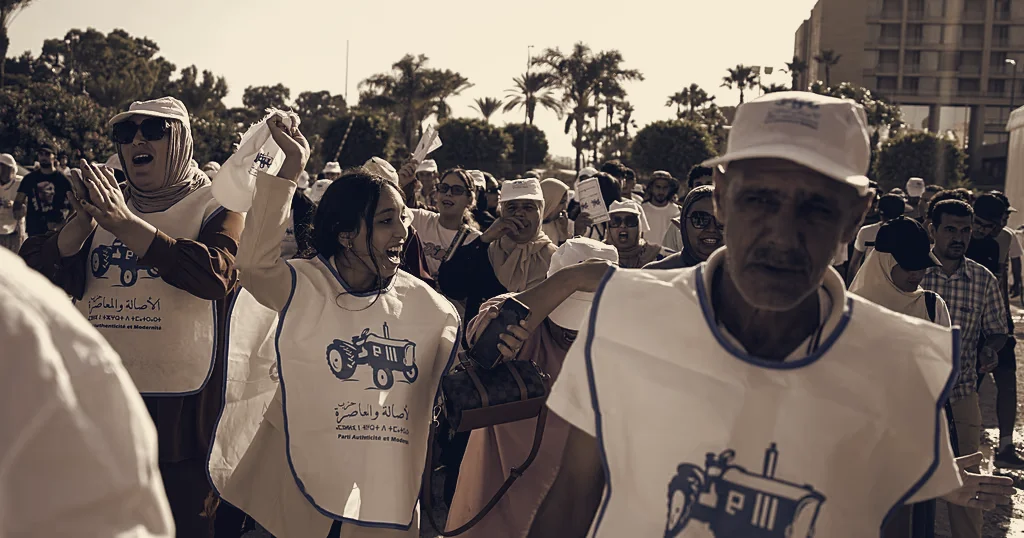
Low youth registration threatens to deepen Morocco's political disconnect, raising the risk that the next parliament will struggle for popular legitimacy. Nearly 16 million Moroccans are registered to elect 395 deputies on Wednesday, but only about four percent of those on the rolls are aged 18 to 24.
Economic strains, from persistent unemployment to unequal access to housing and services, are central to young people's mistrust. Official data show the economy grew by about five percent last year, while unemployment stood at 13 percent. The state is pressing ahead with major infrastructure projects ahead of the 2030 World Cup, which Morocco will co-host with Spain and Portugal, but those programmes have not erased widespread frustration.
Some voters speak for a generation that expects little from conventional politics. Zoubaida, a 34-year-old mother working intermittent jobs in Tangier, said she will not cast a ballot and added, "I expect nothing." Haitham Atifi, a 20-year-old electrical engineering graduate, also said he will abstain, calling campaign pledges "just empty words" and saying, "I don't think there is a party capable of creating jobs for young people."
Other young citizens still see voting as a lever for change. Haitham Arakchou, 28, said he will vote and urged peers to do the same, hoping the incoming government will "improve the social situation and raise the minimum wage." Political observers say those competing priorities are shaping campaign messages across the country.
The vote comes a year after youth-led demonstrations known as the Gen Z movement pressured attention onto public services, following incidents such as the deaths of pregnant women at an Agadir hospital in 2025 that fuelled protests. Tensions over migration also re-entered the picture in July, when tens of thousands, predominantly young Moroccans, crossed into the Spanish enclave of Ceuta. At a rally, former prime minister Abdelilah Benkirane described that episode as a "major scandal." Zoubaida said she would try the crossing herself if given the chance.
Political scientist Mohamed Chiker framed the ballot as a test with two tasks, saying the elections must restore voters' trust, particularly among young people, and "bring forward an honest political elite." The immediate measure of whether Morocco's institutions are reconnecting with younger citizens will arrive with turnout figures after Wednesday's vote.