The immediate consequence is political and commercial: Nissan has tied a £170m production decision for its Sunderland plant to a loosening of the UK ZEV mandate, placing the future of the site and its workforce squarely under government policy. The automaker said the investment would fund local production of the Kicks hybrid SUV, which would become the fourth model assembled at Sunderland alongside the Qashqai, Juke and Leaf.
The Story in Pictures
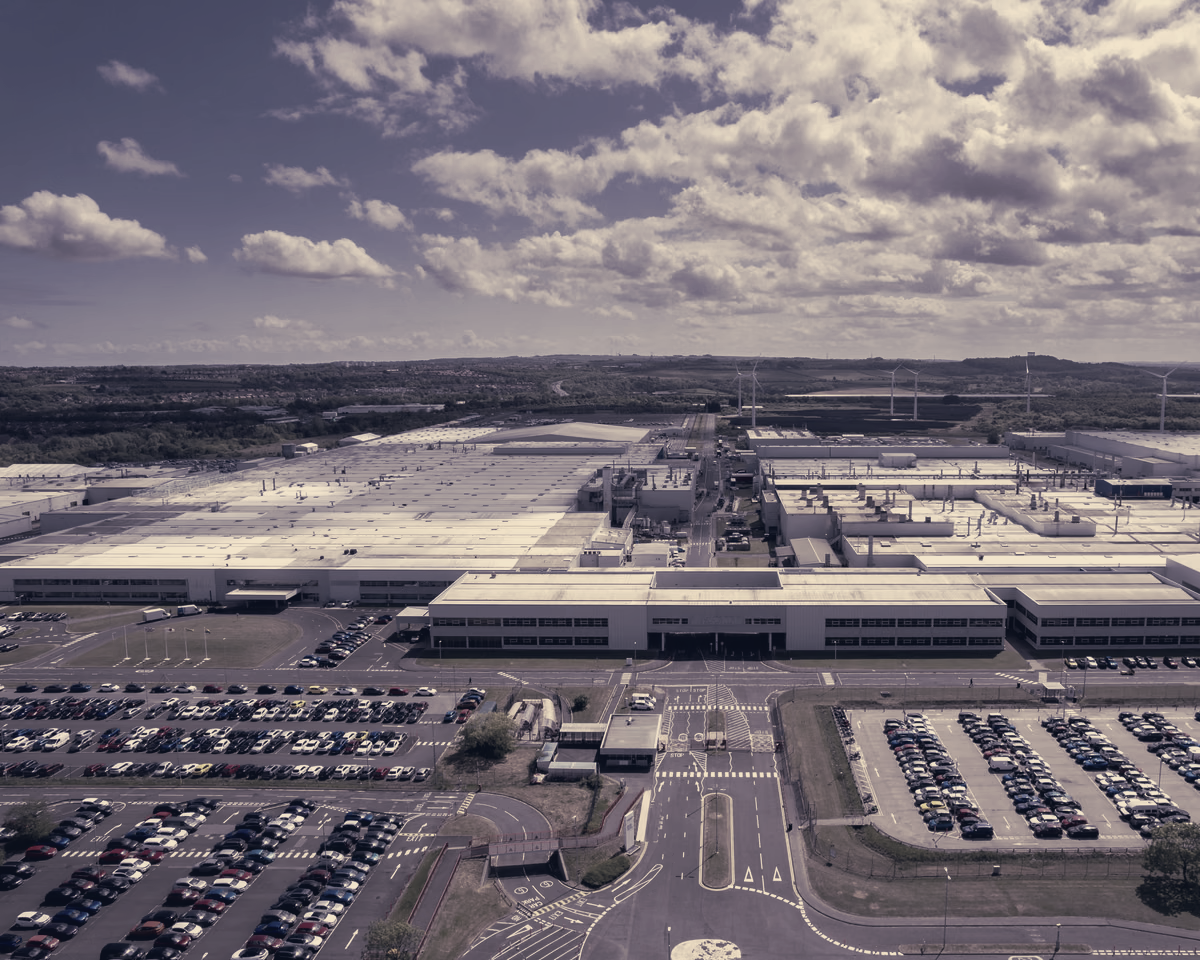
Nissan framed the deal as a conditional lifeline for the factory, which employs about 6,000 people and is running at roughly 50% capacity. Executives signalled they need a lower regulatory bar to justify shifting the Kicks into Europe from the more than 70 markets where it is already sold but not manufactured.
Massimiliano Messina, Nissan’s regional head, made the contingency explicit. “Of course we’re going to keep discussing with the UK government because large part of this is subject to the ZEV mandate amendment,” he said, adding that the company is assessing the probability of a change. Nissan is lobbying for the 2030 target for zero-emission sales to be cut to 50%, a reduction the government is consulting on until late October. Under current rules the ZEV regime rises to 80% by 2030, though ministers have said they are considering lowering that figure after heavy industry lobbying.
Messina declined to commit to the investment if the mandate remains unchanged, saying, “We try to assess always if this is more likely than unlikely.” He also urged progress on a separate production-sharing deal with Chinese carmaker Chery, describing internal and external pressure to finalise volumes and line-up.
Nissan is simultaneously pressing Brussels over draft “Made in Europe” rules, warning the company could shift production choices if those regulations stand as proposed. The automaker’s stance adds to broader sector strain, which has included recent job cuts at Jaguar Land Rover and higher costs from tariffs, Chinese competition and industrial energy.
Government and industry responses landed fast. Jonathan Reynolds called the announcement “a huge vote of confidence in the UK’s manufacturing expertise and automotive future.” Mike Hawes, chief executive of the Society of Motor Manufacturers and Traders, described the move as “a major boost for Nissan Sunderland, the thousands of highly skilled jobs it supports and the wider local supply chain.”
The next steps are clear and immediate: the UK consultation on the ZEV mandate runs until late October, Nissan awaits Chery’s final confirmation of volumes and line-up, and both UK and EU regulatory choices will influence whether the Sunderland plant secures full production and higher utilisation.