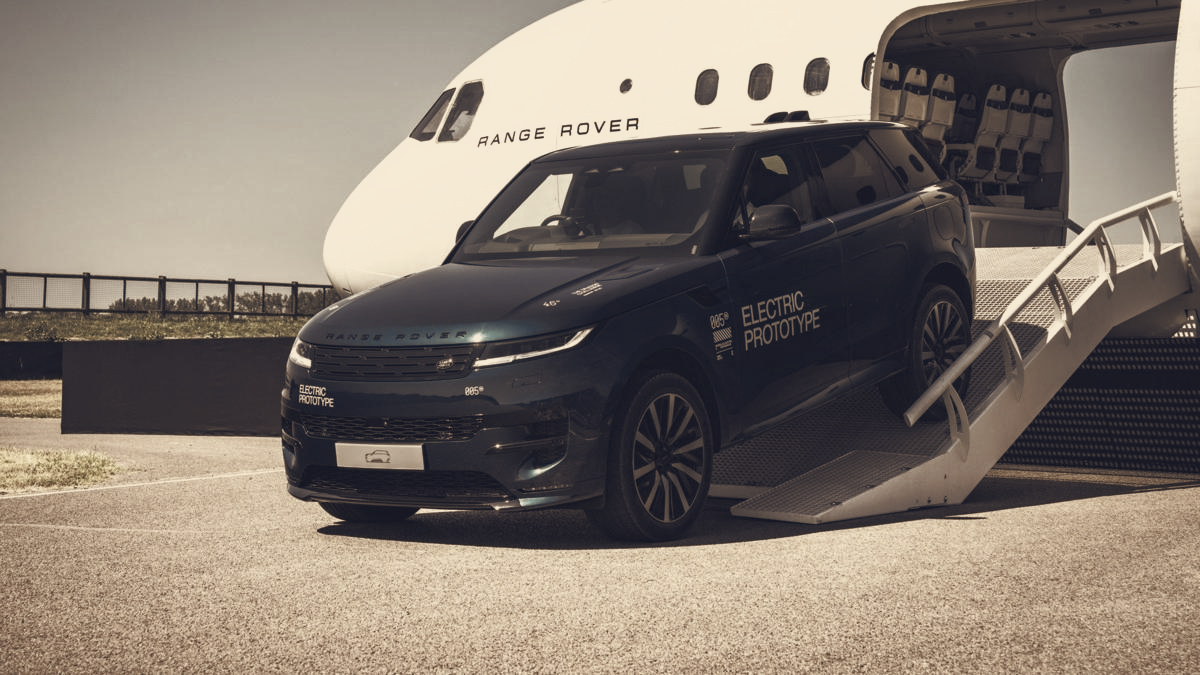

Range Rover has moved into full electric production with the launch of its first fully electric model, a strategic shift for Jaguar Land Rover as it accelerates its electrification programme. The Range Rover Electric, delayed by a year, will be assembled at JLR's Solihull plant in the West Midlands and is supported by new battery and electric drive unit manufacturing capacity.
JLR said the roll-out has been underpinned by a major training effort, with 10,500 workers re-skilled for electric vehicle production. Of those, about 9,000 were trained at Solihull and a further 1,500 across the surrounding region, reflecting the company’s focus on converting existing manufacturing skills to electric technologies.
Production capacity for battery packs and electric drive units has been expanded at JLR’s Electric Propulsion Manufacturing Centre in Wolverhampton, which now builds those components alongside internal combustion engines. The company framed the launch as part of broader modernisation across its West Midlands sites, with new lines intended to support a sustained shift to electric vehicles.
The debut comes amid financial and operational strain at JLR. The firm reported profits of £66m in the first quarter, a fall that followed a fire at a key Norwegian supplier and wider supply‑chain disruption. JLR is also carrying out restructuring after a cyber attack last year that halted production for more than a month, and it has confirmed that fewer than 300 roles will be cut.
Martin Limpert, managing director of Range Rover, described the new model as the product of a decade of "considered engineering." The company said launching new products is central to its plan to stabilise performance while navigating persistent geopolitical, inflationary and regulatory pressures on the auto industry.
The immediate consequence is a heavier operational focus on EV manufacturing at Solihull and nearby sites, with trained staff and new production lines intended to keep the programme on track. What happens next will depend on JLR's ability to maintain component supplies and to translate its investment in people and facilities into steady production while the wider industry contends with ongoing challenges.