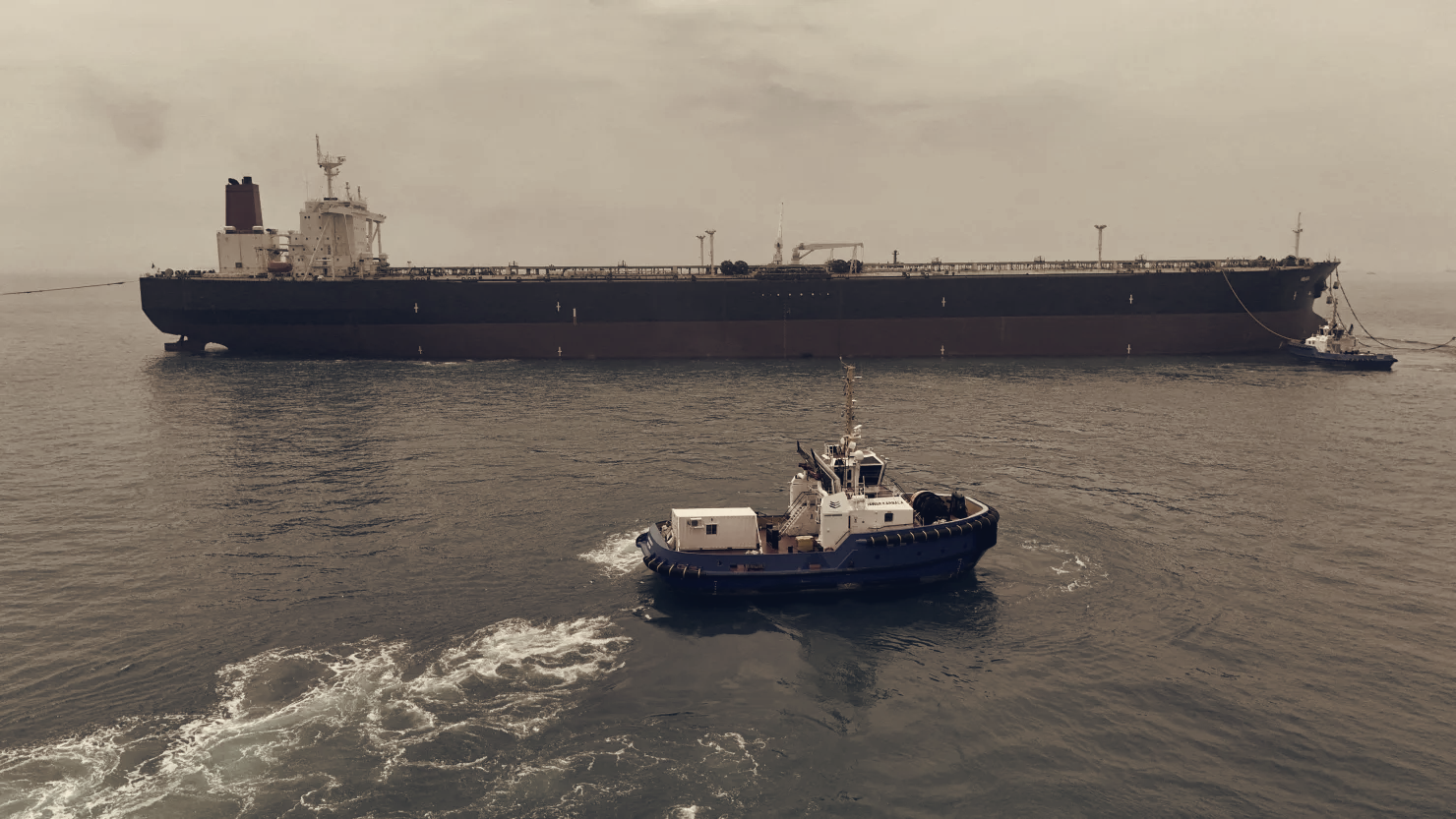

Energy markets moved lower Monday as traders parsed the risk of a fresh U.S. sanctions package on Iran, a development market participants expect to increase near-term volatility. West Texas Intermediate futures, the U.S. benchmark, fell about 1.62% to $85.65 per barrel, while Brent crude, the international benchmark, lost 1.38% to $93.09 a barrel.
U.S. Treasury Secretary Scott Bessent is due to roll out a new set of measures later Monday as the administration presses allies to sever economic ties with Tehran. Bessent told CNBC last week that Washington intends to "collapse" the Islamic Republic with the "toughest sanctions in history," language that signals pressure not just on Iran but on third-party economies that maintain trade links.
President Donald Trump issued similar warnings last week, promising what he called the "most crushing economic operation ever taken against any country" and threatening "steep financial penalties for countries that help Tehran evade sanctions," describing the effort as "Economic Warfare and Isolation on an unprecedented scale."
Tehran has publicly rejected the threats. The Islamic Revolutionary Guard Corps stated Tehran has ways "to counter the adverse effects of the enemy's war" and can "easily establish economic relations with countries," according to Iranian state media. That pushback feeds uncertainty about how effective isolation will be and how Iran might retaliate.
Commonwealth Bank of Australia warned markets will likely remain bumpy into the second half of the year. "It is unclear whether U.S. policy to economically isolate Iran will prove effective. But if the US measures do work as intended, Iran's ability to respond via increased violence becomes a growing risk for energy markets to consider," CBA wrote Monday. The bank expects Brent crude to trade between $70 and $100 a barrel in the second half of 2026.
CBA added that even a partial restoration of flows through the Strait of Hormuz would matter for the supply outlook, estimating that just 50% to 60% of pre-war quantities would be sufficient to revive expectations of an oversupplied global market. Traders and downstream buyers will watch both the sanctions details and any signs of Iran's response closely, with the balance between economic pressure and potential escalation set to determine where prices head next.