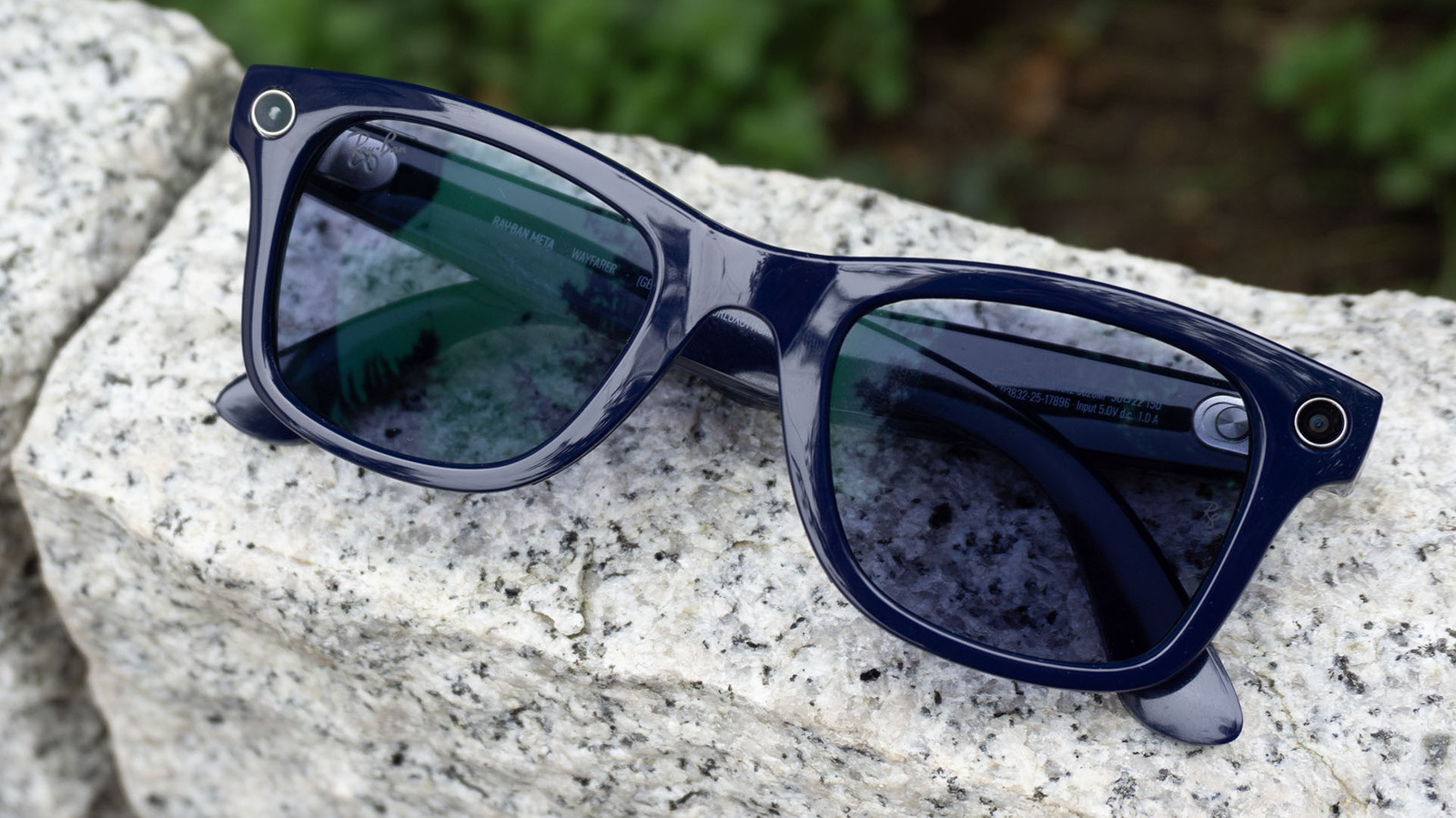

ICE staff lose permission to wear Meta smart glasses while on duty, a memorandum circulated to employees says, removing a device that has become increasingly visible during immigration operations. The New York Times reported the memo warned, "the use of Meta Glasses or similar devices could unintentionally capture, record, or transmit sensitive information, potentially compromising privacy and legal protections."
The directive appears to apply agencywide, not only to field officers. A Department of Homeland Security spokesperson told The New York Times that workers have "always" been barred from using "personally owned body-worn cameras." The agency framed the memo as a clarification of existing rules, but issuing a formal notice highlights how prominent Meta's product has become around immigration enforcement.
Agents from Immigration and Customs Enforcement and Customs and Border Protection have been photographed wearing Meta's smart glasses in recent months. Reporting by 404 Media described a CBP officer recording with his glasses despite the agency's stated limits. In other cases a Border Patrol member brought a pair to an immigration raid, and an investigation by The Independent found similar sightings in at least six states.
At the same time DHS components are balancing caution with acquisition plans. Budget documents reported by journalist Ken Klippenstein indicate ICE is seeking to field a custom smart glasses system that would include "biometric identification capabilities" as soon as next year. That ambition creates a clear split between a ban on personally owned devices and interest in agency-issued hardware with advanced identification tools.
Meta has not publicly committed to whether its product should serve law enforcement, while the device faces growing scrutiny. Reporting has raised concerns about an unreleased facial recognition system tied to the glasses and about the product's privacy LED, which critics say is easy to bypass. The combination of public sightings, policy reminders and procurement plans makes clear this technology will stay at the center of debates over surveillance and immigration enforcement.
What happens next is a test of agency policy and procurement priorities. ICE must reconcile a prohibition on personal body-worn devices with a push to buy bespoke smart glasses with biometric functions, while oversight and public concern over facial recognition and recording in immigration operations are likely to intensify.