
A Ruston family lost eight-year-old Lillian Smart after doctors determined she had been infected with Naegleria fowleri, a rare brain-eating amoeba. Lillian died on Saturday, one day after celebrating her birthday, her family announced on the public Facebook page “Love for Lillian.”
The family’s post said, “Last night Lillian ran from our arms to the arms of Jesus.” It added, “The injuries to her brain were too severe for her little body to recover from. Everyone did everything they could to keep her here. We are heartbroken and honestly do not know what to do next. How do we put one foot in front of the other without our girl?”
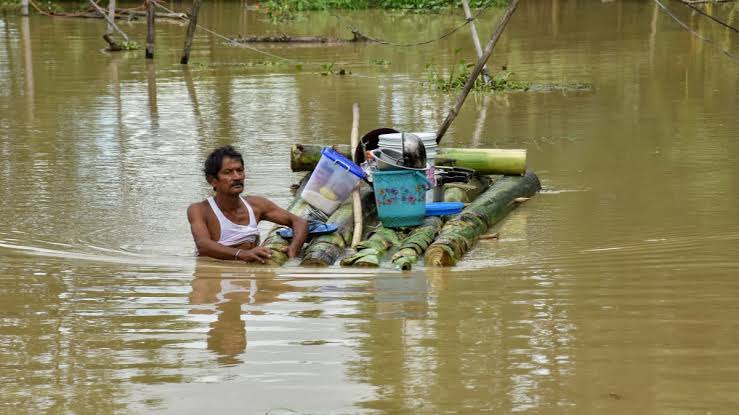
On 19 August the Louisiana Department of Health confirmed that a state resident had tested positive for Naegleria fowleri and said the most likely exposure occurred while the person was swimming in Lake Claiborne in Claiborne parish. Local media outlets later reported that friends had identified the patient as Lillian. KNOE reported she had been hospitalized since 15 August.
More than two dozen Ruston businesses responded by donating a portion of sales to the Smart family, the Facebook page said, reflecting a rapid local fundraising effort as the child fought the infection.
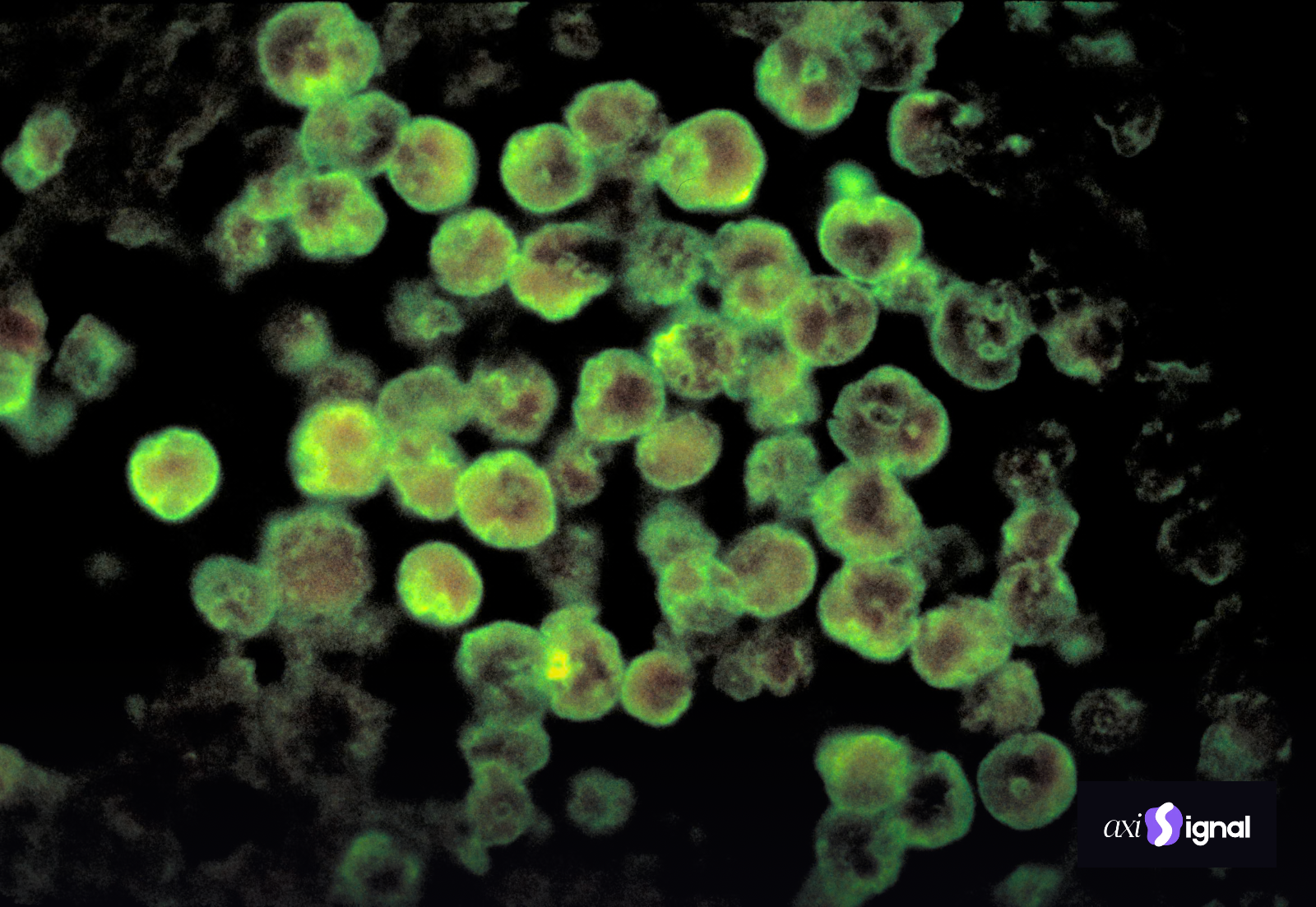
Naegleria fowleri infections are extremely uncommon. The Centers for Disease Control and Prevention records show roughly 180 infections in the United States since 1937, and only a handful of cases in Louisiana since 2011. The amoeba thrives in warm freshwater, most often affecting swimmers in southern states during summer months, and it causes primary amebic meningoencephalitis when contaminated water enters the nose and reaches the brain.
The organism is not present in salt water or in swimming pools that are properly maintained and chlorinated, and infections do not spread from person to person. People cannot become infected simply by swallowing water that contains the amoeba. Experts quoted in local reports say the climate crisis is helping Naegleria fowleri appear in regions of the country where it was once rare, including parts of the north and west. A fatal pediatric case linked to a splash pad in Little Rock, Arkansas, occurred in 2023, underscoring that infections can arise outside traditional settings.
Louisiana health officials have confirmed the link to Lake Claiborne and the community in Ruston continues to grieve, with local businesses and neighbours providing financial and emotional support to the Smart family as they cope with the loss.