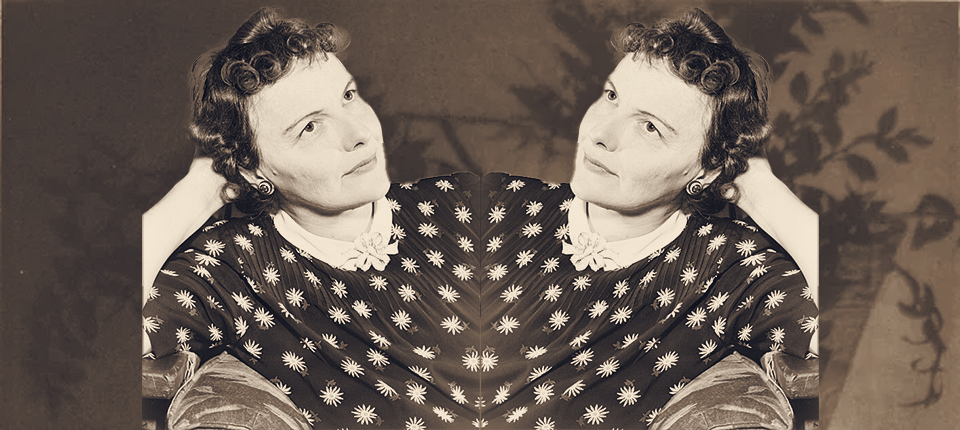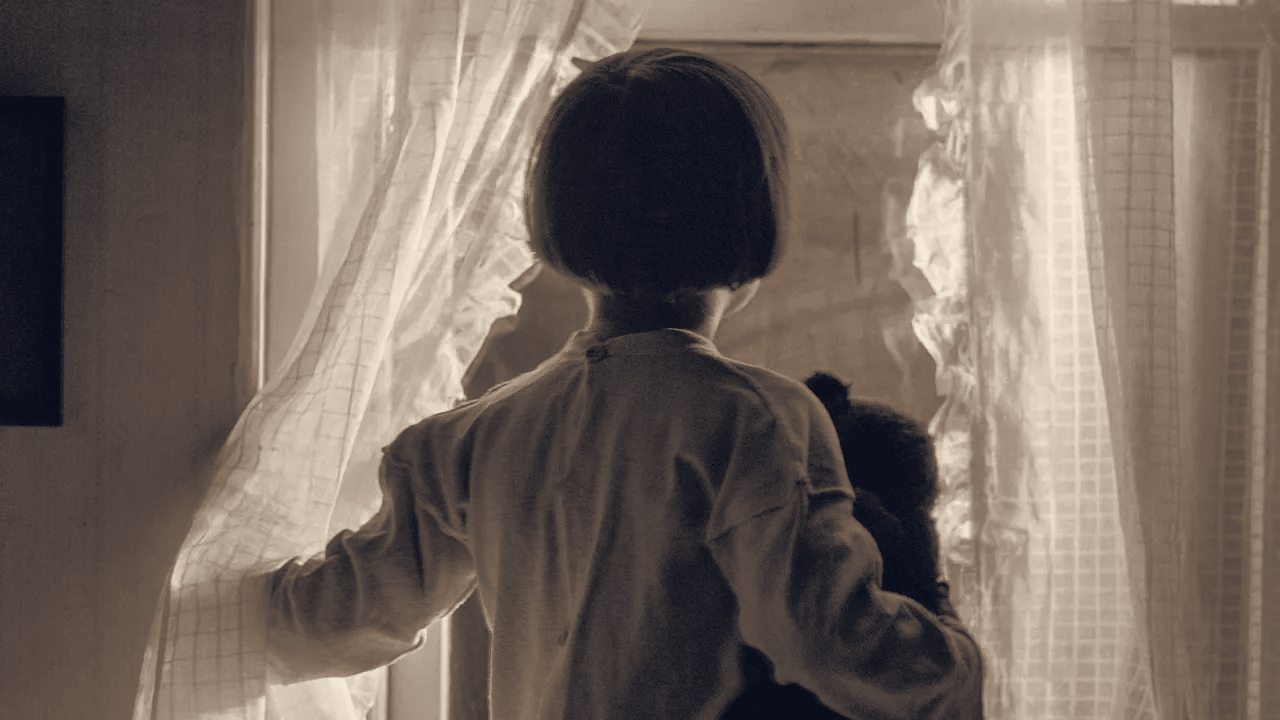

A child’s severe PANS illness changed the author’s social world: some friends arrived at a moment’s notice to provide hands-on help, while others quietly receded, leaving caregiving families to build new networks around the illness.
The Story in Pictures
The account begins with an acute medical emergency. An eight-year-old, Rose, developed seizure-like movements and a rapid loss of basic skills after a seemingly routine viral infection; doctors later identified inflammation in the basal ganglia and diagnosed PANS, an immune-driven condition that can destroy motor control, impulse regulation, and emotional stability. During the initial crisis a longtime friend, Leucas, flew from L.A. to Toronto with only hours’ notice and spent long days caring for the family’s one-year-old, Calvin, so the parents could focus on getting Rose medical attention.
Care arrived in practical forms: a sister moved in, a friend DoorDashed meals, a writing group organized deliveries and small donations, and some people continued to check in without asking for updates. Those gestures mattered. At the same time, the household lost many of its routines and social touchstones: Rose stopped going to school, scarcely left the house after September 2025, and the family’s lives narrowed to treatment, recovery, and round-the-clock vigilance. The author, who describes herself as social by nature, also admits she has been unable to reciprocate the attention she once gave to friends.
Other relationships frayed. New acquaintances stepped back to avoid perceived drama, older friends reduced contact after a few weeks, and some people focused on everything except the ill child. The author frames this not as a moral judgment but as a reciprocal consequence of crisis: caregiving consumes time and emotional bandwidth, and many friendships can’t survive that imbalance. At the same time, entirely new and intense connections formed with other parents of children with PANS, with specialists, and with advocates working on behalf of these families.
The account also highlights systemic problems that compound social isolation. Families wait years for accurate diagnosis, insurance companies deny key treatments, and only a limited number of specialists treat these children, a combination the author says is harming kids. The story closes with the picture of slow recovery and ongoing work: medical care and advocacy now shape the family’s daily life, and the social map around them has been redrawn by crisis.