
Half a century on, The Muppet Show remade variety television, expanding what could appear on a Sunday night and who those programmes could entertain.
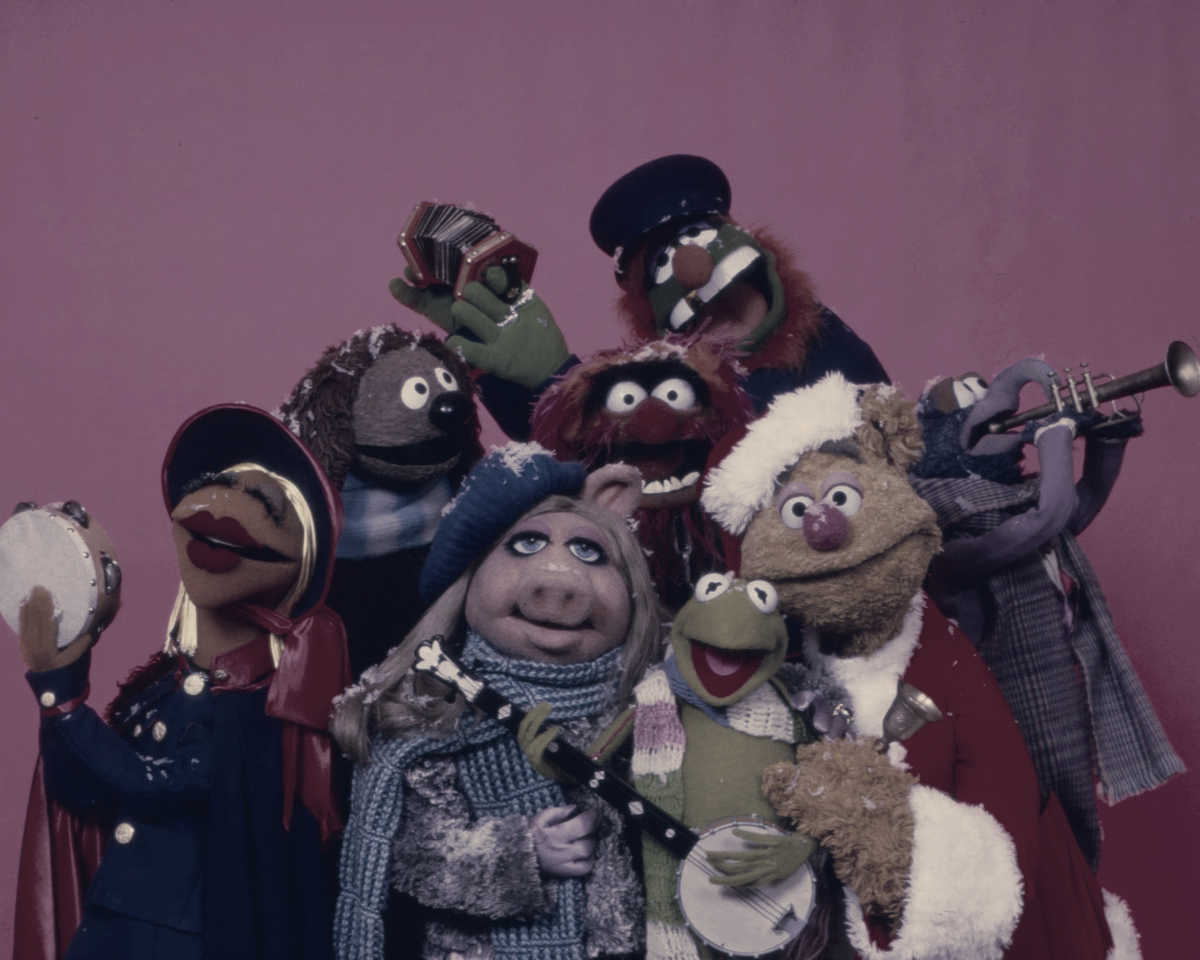
When the British public first met the Muppets on 5 September 1976, Jim Henson’s felt characters brought anarchy and musical ambition to a medium still finding its feet after the 1960s. Henson, already known for Sesame Street, which debuted in 1969, refused to be boxed as a children’s entertainer and built a show with Kermit the Frog at its centre, a character who had been on screen since 1955.
The Muppet Show mixed slapstick with high culture, novelty songs with light opera, and pop with poetry. Episodes could shift from Rita Moreno smashing a puppet’s head between cymbals to Alice Cooper persuading the cast to sell their souls, to Vincent Price singing Carole King’s "You’ve Got a Friend" amid ghosts. Musical choices ranged from the nonsense classic Mah Nà Mah Nà by Piero Umiliani to material by Randy Newman, Harry Chapin and Harry Nilsson, whose "Coconut" was used years before it surfaced in Reservoir Dogs.
Henson’s path to prime time was not straightforward. Two ABC specials in 1974 and 1975 failed to secure a series, but Lew Grade of ATV in the UK backed the project. The team’s stint on the first season of Saturday Night Live taught them to mount a show in a week and supplied contacts that proved vital. Arrival at Elstree Studios let the Muppets turn that apprenticeship into a sustained, strange hit.
From the first episode, when Joel Grey reprised his Cabaret role to sing Willkommen to a nightclub full of Muppets, the show established a committed tone of controlled chaos. By December 1976, about 14 million viewers in the UK tuned in on a Sunday evening, and by January 1977 more than 100 countries had acquired the series or were vying to do so. Rudolf Nureyev offered to appear in season two, and soon agents were pitching guests rather than rejecting them.
The show’s character work anchored the spectacle. Fozzie’s doomed standup embodied the plight of the comic, while Miss Piggy, Kermit, Gonzo, Rowlf, Animal, the Swedish Chef, Waldorf and Statler became cultural fixtures who outlived many 1970s television creations. Episodes hosted by comedians such as Steve Martin and John Cleese, who co-wrote his instalment and was famously forced into Muppet mayhem, are remembered as creative peaks. High-profile musical pairings, from Elton John with Miss Piggy in 1977 to Debbie Harry duetting with Kermit on "Rainbow Connection" in 1981, fused celebrity and puppet into a new kind of mainstream cool.
The show’s influence is visible in how variety programming can be both irreverent and musically ambitious, and in the endurance of its characters in popular memory. Its reverberations are still felt today, in television’s appetite for cross-generational humour and genre-blending musical moments.