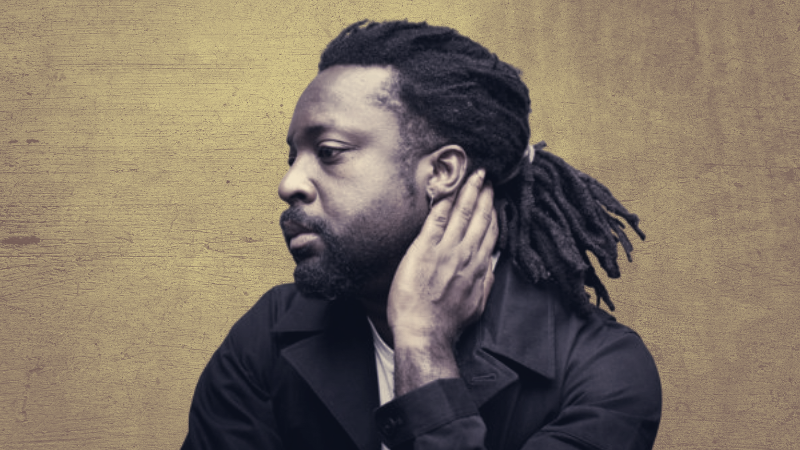

What changes is tone, James says, his fiction turning inward as The Disappearers draws on Kingston memory and testimony to confront gay desire and violence. The novel, now nominated for the Booker Prize, centres men coming of age in Jamaica during the 1980s and 1990s, alternating voices to chart sexual discovery, small joys, and brutal social hostility. The book opens with 18‑year‑old Eddy Porteous writing, “Jesus, I don’t think about it a lot but people want to kill us,” a blunt line that sets the book’s unflinching register. Another recurring confession — “I’ve made such a terrible mess out of being a homo” — anchors scenes of humiliation and dignity under constant threat.
James frames the work as more personal than his recent novels while refusing the label of pure autofiction. “It’s not autofiction,” he says, “but it’s the first novel where I’m drawing so much from my life. I know that’s usually a debut novel for people. I had to wait six novels to do it.” He spent the past decade on the fantastical Dark Star Trilogy, yet he describes The Disappearers as the first to draw so directly on his own history.
The book’s material comes partly from extensive reporting. James interviewed dozens of queer Jamaicans and folded those accounts into his scenes and character arcs. “I didn’t have to imagine much. The truth was stranger and wilder, more violent and more disturbing,” he says, crediting real testimony with shaping moments that might otherwise read like invention.
The plot turns on an amateur, all‑gay troupe led by Havelock Titus, who stages John Herbert’s Fortune and Men’s Eyes in Jamaica in 1988 as a deliberate provocation. Rehearsals end in a horrific act of violence that scatters the players, and the novel follows the fallout through narrators at different ages. Jordan Brown’s voice supplies much of the book’s vengeful energy: “I’ve always failed at appearing straight, not because I acted like a faggot but because I fucking hate straight people....” That intensity sits beside quieter memories of constraint. James says he avoided physical bullying at school but felt verbal pressure to conform and ran to the church for refuge. “All it did was send me further into the closet,” he says. “I was one of many who ran to the church, because the church was going to make me straight.”
James also traces moments of experimentation after leaving Jamaica. He moved to the United States permanently in 2007 to begin a 15‑year teaching stint at Macalester College, and he remembers testing gendered presentation during stretches in New York. “In America,” he says, “I wouldn’t be cruising or anything. I mean, I wouldn’t have dared. But I would be putting on what you would call faggy clothes, almost as if I’m impersonating a queer person, and walking around downtown New York and being myself.”
By combining memory, interviews, and theatre, The Disappearers insists readers reckon with the costs of surviving as gay in Jamaica. The Booker nomination brings those testimonies to a broader Anglophone readership and, in the process, reframes James’s body of work as intimately engaged with the lives he has documented and the people who lived them.