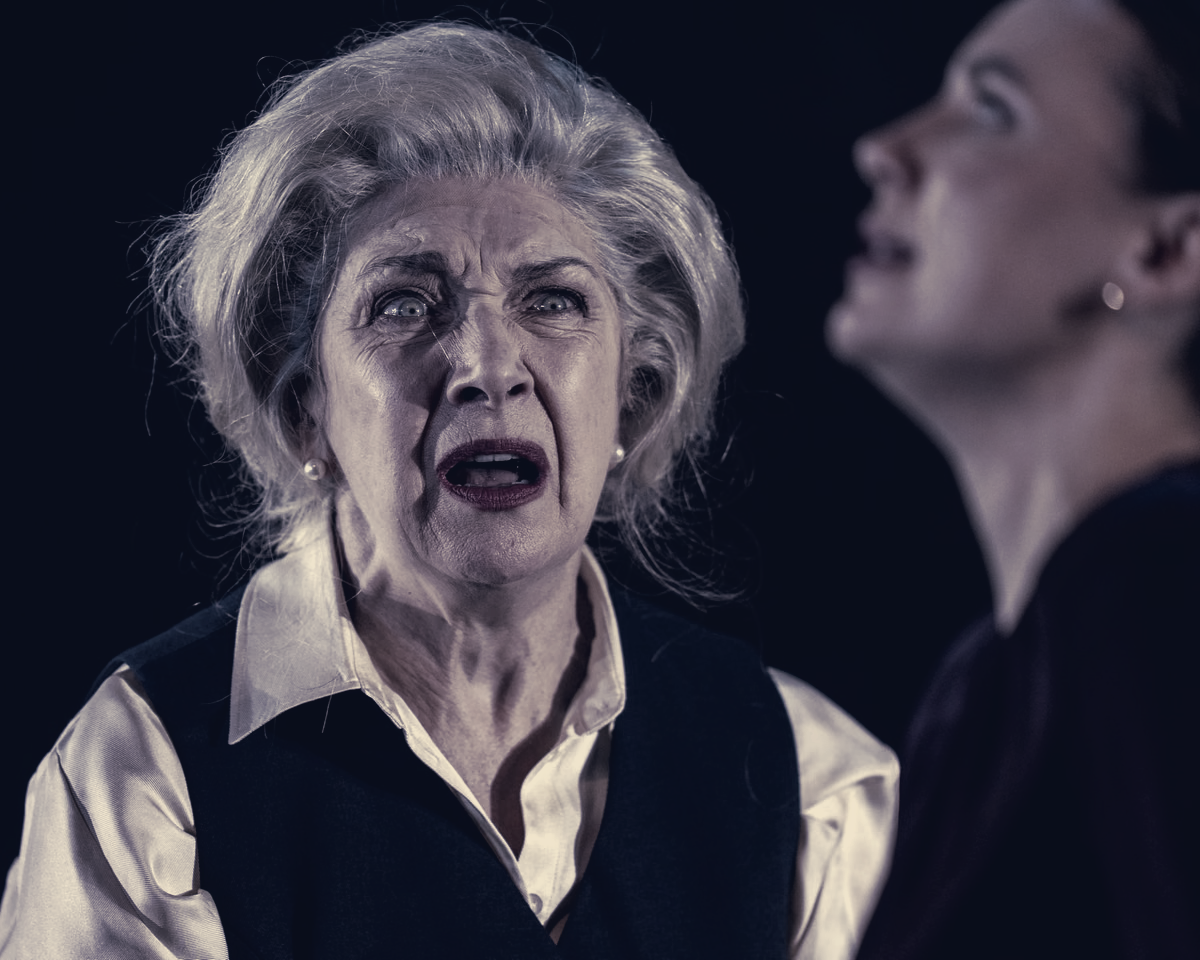

Older women are losing roles across the UK arts as the sector narrows its focus on youth, a new report finds.
The research, based on a survey of 76 arts professionals and part of a five-year project led by Women in the Arts, records widespread gender and age bias. Ninety-five percent of women said gender inequality persists, 75% reported unconscious bias or sexism, and 69% said age had harmed their career prospects. Among respondents in artistic roles rather than managerial posts, that last figure rose to 100%.
Participants described a culture that constantly foregrounds "young and emerging" talent while sidelining seasoned practitioners. Performers reported casting patterns that prefer younger actresses opposite older men, and several respondents said opportunities “drop off at 39”. One respondent added there are far fewer parts for actresses over 50. Actors and writers flagged barriers beyond casting, including commissioning that rarely seeks stories about older women and hiring assumptions that only younger staff understand digital marketing.
The report links these outcomes to a pipeline of support and funding schemes aimed at early-career artists, with little provision for later-stage development. It warns that algorithmic hiring tools could worsen the problem by reproducing historical biases and penalising career breaks taken for caring responsibilities.
Maureen Beattie, who has worked with the Royal Shakespeare Company and recently played Lear in Pitlochry, said, "So, we have proof at last that age discrimination is one of the major issues women face in the entertainment industry. Are we surprised? I’m certainly not." Dr Jennifer Tuckett, chief executive of Women in the Arts and author of the report, described the findings on age discrimination and AI as "particularly worrying."
The research was produced in partnership with the Writers’ Guild of Great Britain, Equity, WOW, Sphinx Theatre, ERA 50:50 and the Women in Theatre Lab, and funded by Arts Council England. The report calls for targeted funding streams, representation targets similar to some Australian funding applications, leadership programmes for later-stage artists and algorithmic audits to reduce bias.
An Arts Council England spokesperson said the organisation would consider the challenges women face around glass ceilings, harassment and caring responsibilities to identify good practice and interventions.
The research will be handed to ministers on 12 October as part of a campaign to establish an all-party parliamentary group on women in the arts. That handover signals a push to convert the findings into policy and sector-level accountability, and sets out a clear list of measures funders and institutions could adopt to preserve expertise and career longevity for older women in the cultural sector.