
Apple TV+ has built its reputation on high-concept storytelling — but with Pluribus, the platform doubles down on mystery. Created by Vince Gilligan, the mind behind Breaking Bad and Better Call Saul, the series swaps meth labs for metaphysics, inviting viewers into a slow-burn psychological puzzle that’s as strange as it is stylish.
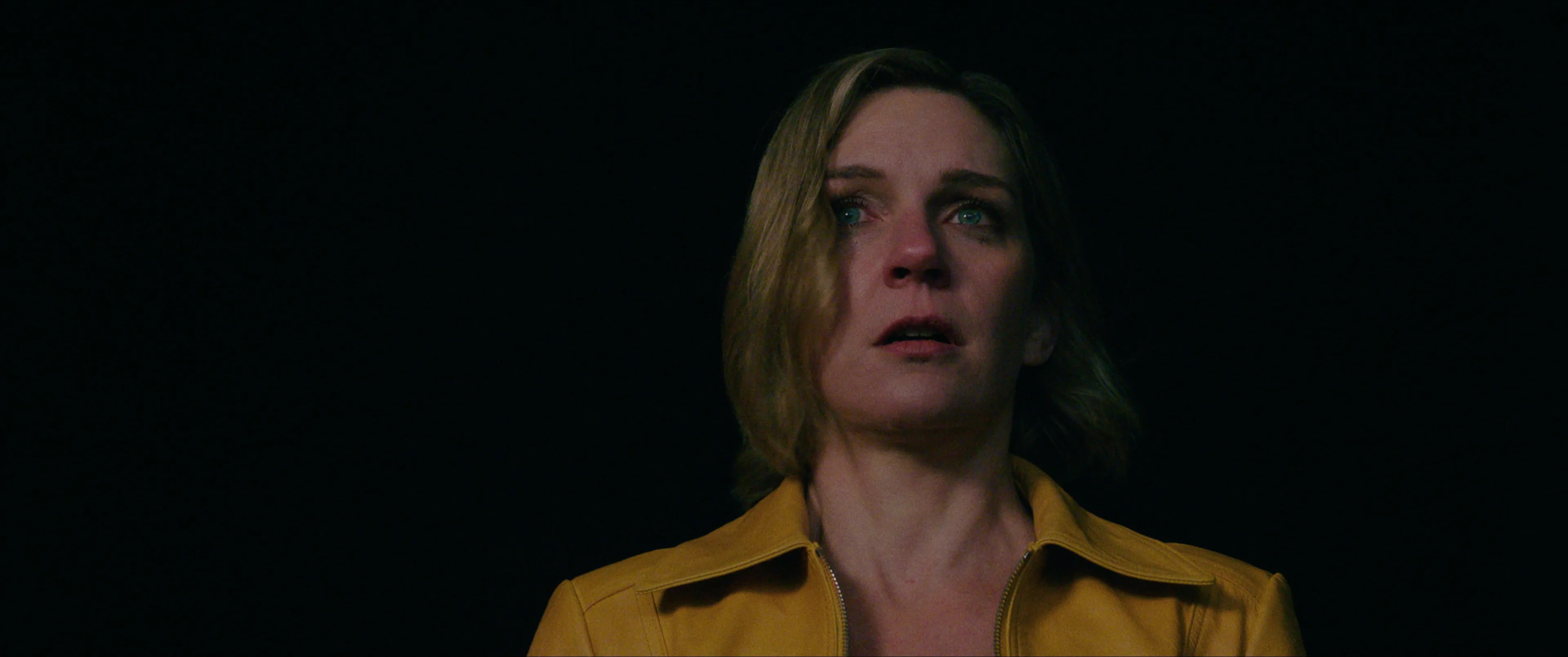
At the center is Carol, played with simmering restraint by Rhea Seehorn, a fantasy novelist thrust into an impossible reality where identities blur, time folds, and nothing — not even her own memories — can be trusted.
In one of the show’s early moments, she asks, “What the fuck is happening?” It’s a question every viewer will share — and that’s exactly the point.
Mystery as a Design Choice
Gilligan’s Pluribus doesn’t rush to explain itself. Instead, it luxuriates in ambiguity, layering surreal imagery, fractured dialogue, and shifting perspectives until the story becomes a kind of narrative kaleidoscope.
The result isn’t just sci-fi for the brain; it’s existential noir for the streaming age.
Performances and Style
Rhea Seehorn delivers the best work of her career, grounding the series’ surreal premise in raw humanity. Her portrayal of Carol — a woman unraveling her sense of reality while trying to hold on to empathy — gives the show its emotional gravity.
Gilligan’s direction leans cinematic: sterile architecture, subdued lighting, and eerie stillness that recalls Twin Peaks and Ex Machina. Every frame feels calculated to evoke both beauty and dread.
The supporting cast, including Giancarlo Esposito