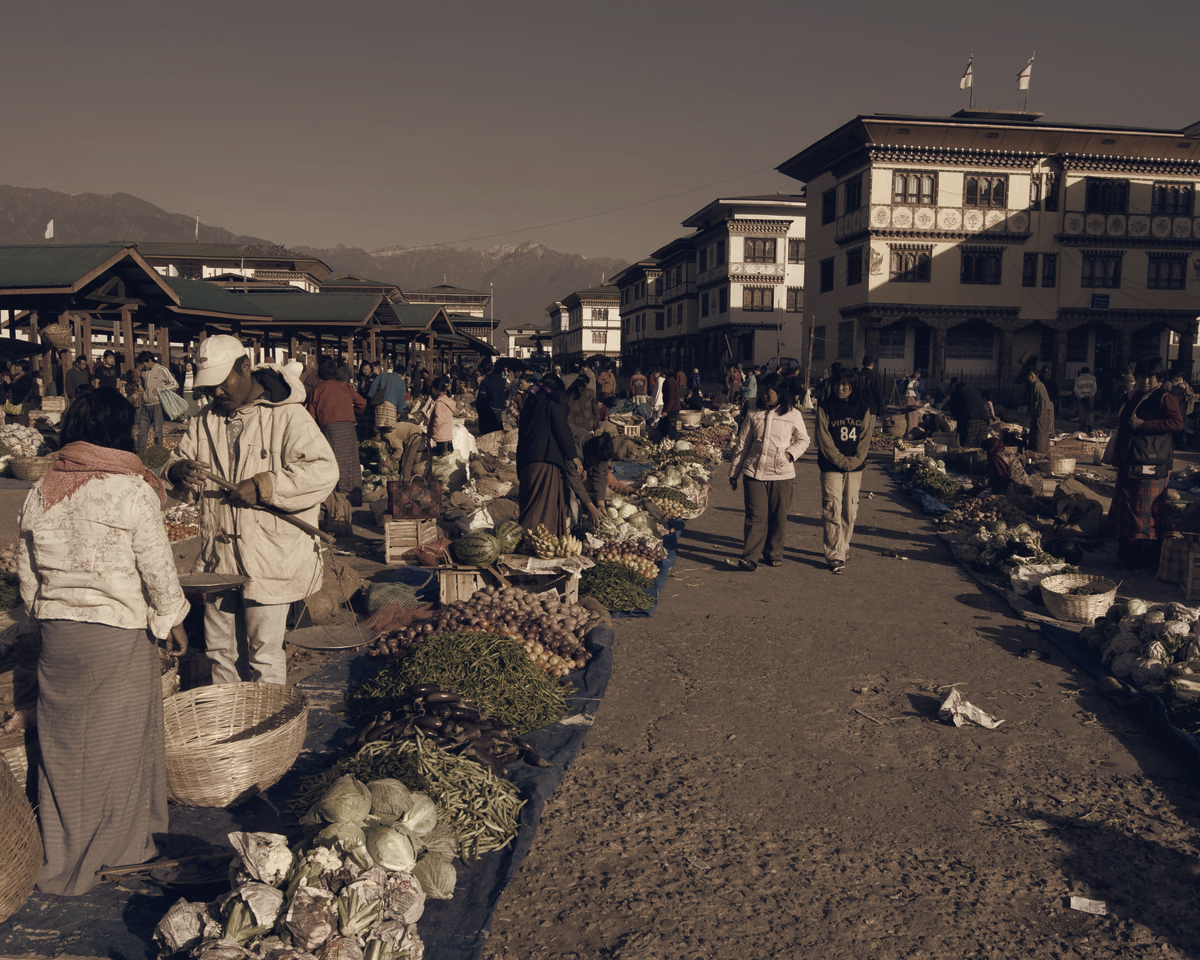

Global food resilience is at risk as Bhutan hosts the world's first "conscious food summit" in Paro, a five-day effort to change how societies relate to food. More than 60 countries and UN representatives join farmers, mindfulness practitioners and yoga therapists to place awareness and values at the centre of food-system reform. Organisers say technological fixes and higher output alone cannot withstand escalating weather extremes, and that reviving cultural and spiritual practices around eating is part of the response.
Bhutan's prime minister, Tshering Tobgay, framed the summit bluntly. “Food lies at the intersection of many of the defining challenges of our time, hunger, poor nutrition, poverty, climate change, biodiversity loss, and increasingly food security is also being disrupted by conflict and geopolitical instability. Our central message is simple: transforming our food systems requires both inner and outer change,” he said.
Tobgay told delegates that conscious eating will prioritise regenerative farming and indigenous knowledge, while also informing how science and policy are applied. “Consciousness can cultivate compassion, empathy, resilience, creativity and a stronger connection with nature,” he said. “This does not mean choosing spirituality over science. It means recognising that our values and mindsets influence how science, policy, finance and technology are used.”
Speakers at the summit argue the debate must broaden beyond production metrics. “As we face the growing impacts of climate change, a potential super El Niño, biodiversity loss and increasing global instability, it is becoming clear that our food systems are not resilient enough for the challenges ahead,” said Jerry Spooner of Regenerative Vanua. He urged moving from a singular focus on output to designing systems that restore ecosystems, strengthen communities and protect cultures.
The urgency of the talks is underscored by recent shocks. A glacial collapse in neighbouring Nepal last week produced floods and landslides that killed hundreds, and the World Food Programme warns that, as a “super El Niño” develops this year and next, 50 million people could be pushed close to starvation. A northern hemisphere summer of drought, extreme heat and wildfires has already damaged harvests.
Tobgay emphasised that shifting diets and markets will require new incentives and broader participation. “Food systems are ultimately shaped by human choices, institutions, incentives, relationships and values,” he said. He contrasted external reforms with inner transformation: “Outer change is agriculture, markets, finance, public policy and consumption,” and added that a conscious approach would protect soils, water and the dignity of producers. He described small personal practices as a starting point, noting his own morning ritual of porridge beside a stream: “I listen to the birds that are up and about by that time, I listen to the stream and the water.”
The summit will test whether this language of consciousness can be translated into measurable policy and funding decisions during five days of talks, and whether participants can convert spiritual framing into practical steps for farming, markets and resilience.