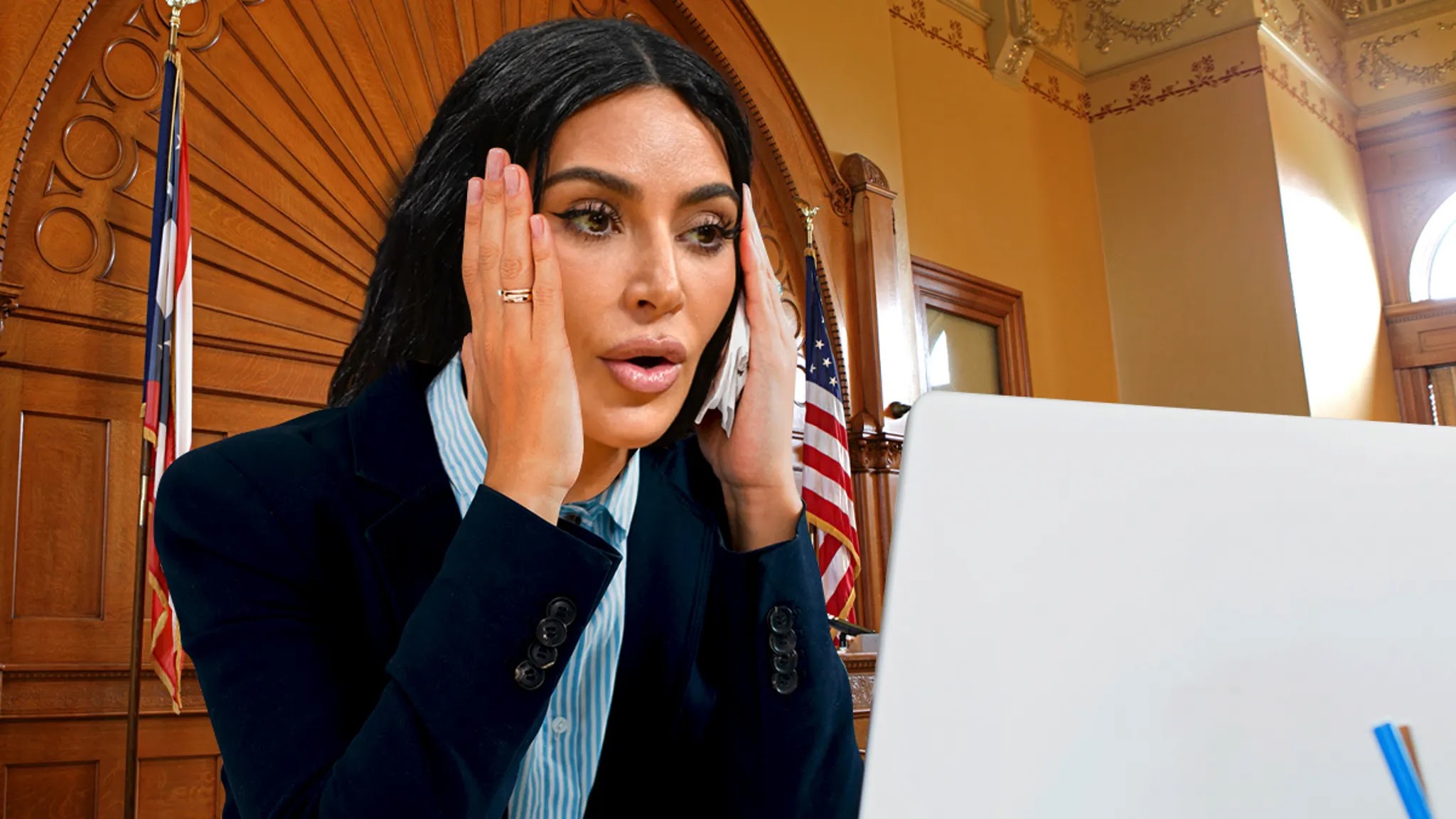

Megan Thee Stallion delivered powerful and emotional testimony in a Texas courtroom this week as she described the personal and psychological toll caused by a widely circulated deepfake pornographic video that falsely depicted her. The testimony came during the trial for her defamation lawsuit against blogger Milagro Gramz, whom she accuses of amplifying false narratives and contributing to the spread of the manipulated footage.

The rapper told the court that the ordeal left her deeply shaken, saying the incident pushed her to one of the lowest points of her life. In her statement, Megan said the humiliation was overwhelming, adding that she felt exposed and powerless as the video circulated across social media platforms at rapid speed. She described the experience as degrading and psychologically destabilising, explaining that the online harassment made it difficult to perform, work, or even leave her home during the height of the controversy.
The deepfake incident has become a landmark moment in the growing debate surrounding AI generated sexual content, privacy violations, and the legal gaps that make it difficult for victims to seek justice. Megan told the court that the exploitation she endured was worsened by the speed of digital culture, where manipulated images can go viral before victims even know they exist. She argued that the defamation and harassment that followed were fueled by online personalities who she said used her pain to attract followers and views.
According to Rolling Stone’s reporting on the testimony, Megan spoke candidly about her struggles with depression during the period following the video’s spread. She told the courtroom that there were moments when she did not care if she lived or died, a statement that captured the severity of the emotional distress she said she suffered. Those remarks drew attention across the entertainment industry, as fellow artists and public figures renewed calls for stronger protections against non-consensual AI content.
Her appearance in court is part of a broader legal battle against Milagro Gramz, whom Megan accuses of spreading defamatory claims and encouraging online hostility during previous controversies, including the high profile shooting case involving rapper Tory Lanez. In this trial, Megan argues that Gramz’s commentary and amplification of the fabricated video contributed to reputational harm and personal suffering that went far beyond typical online criticism.
The testimony has shed significant light on the darker side of deepfake technology, which has become increasingly accessible. Experts say the majority of AI generated explicit deepfakes target women, particularly public figures, with devastating personal and professional consequences. While several U.S. states