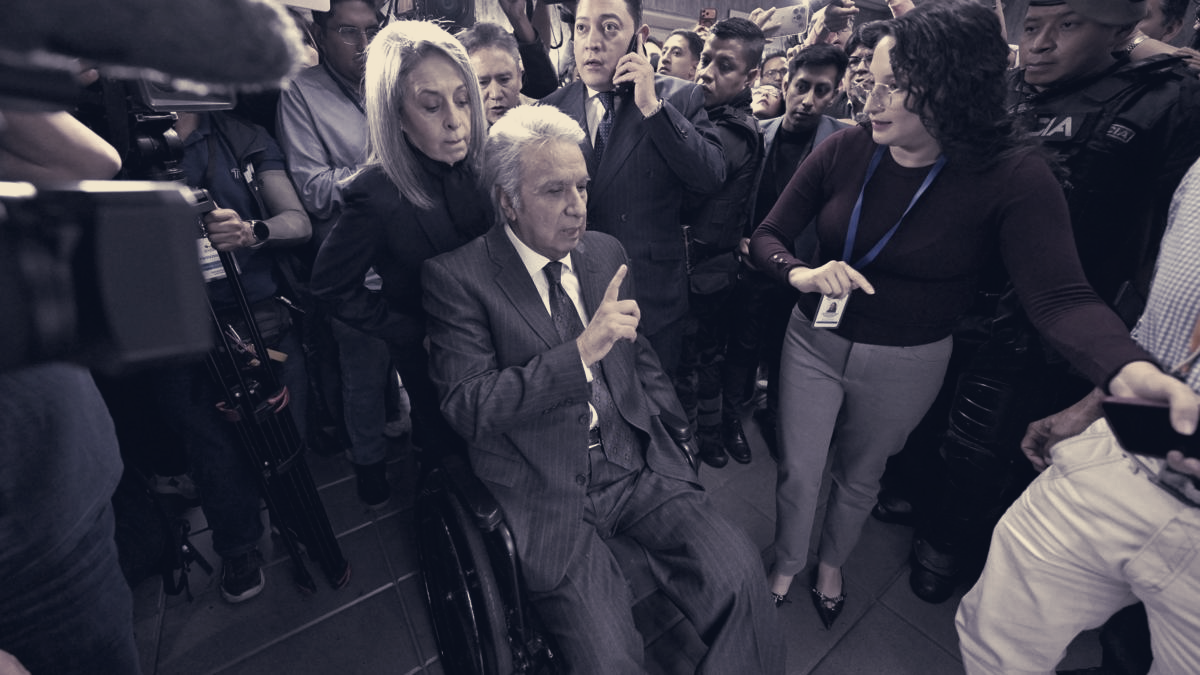

Lenín Moreno is now imprisoned, a change that removes a former head of state from Ecuador's public life while he faces corruption allegations. Authorities say the charges concern payments tied to a contract to build a hydroelectric plant, and Moreno has denied accepting bribes from a Chinese firm involved in the project.
The accusation links a former president directly to the procurement of major infrastructure work, centring the controversial contract in the unfolding legal case. Moreno's denial ensures the matter will remain contested in public debate, elevating scrutiny of how the hydroelectric deal was awarded and of relations between Ecuadorian officials and foreign companies.
Beyond the immediate legal jeopardy for Moreno, the case carries political weight. It raises questions about oversight of large-scale infrastructure projects and about accountability among senior officials in Ecuador. The involvement of a foreign contractor changes the optics, prompting observers to watch whether international commercial links will figure in evidence and public perception.
For Ecuadorian institutions, the case is a test of prosecutorial reach and judicial independence in a high-profile matter. How prosecutors document alleged payments, and how courts adjudicate Moreno's denials, will determine not only his fate but the broader signal sent about corruption enforcement.
What happens next is procedural and consequential: the matter will continue through the legal system, with further hearings and evidence-gathering likely to follow. The outcome will shape immediate political calculations and influence how future public contracts, especially those involving foreign firms and major energy projects, are negotiated and reviewed.