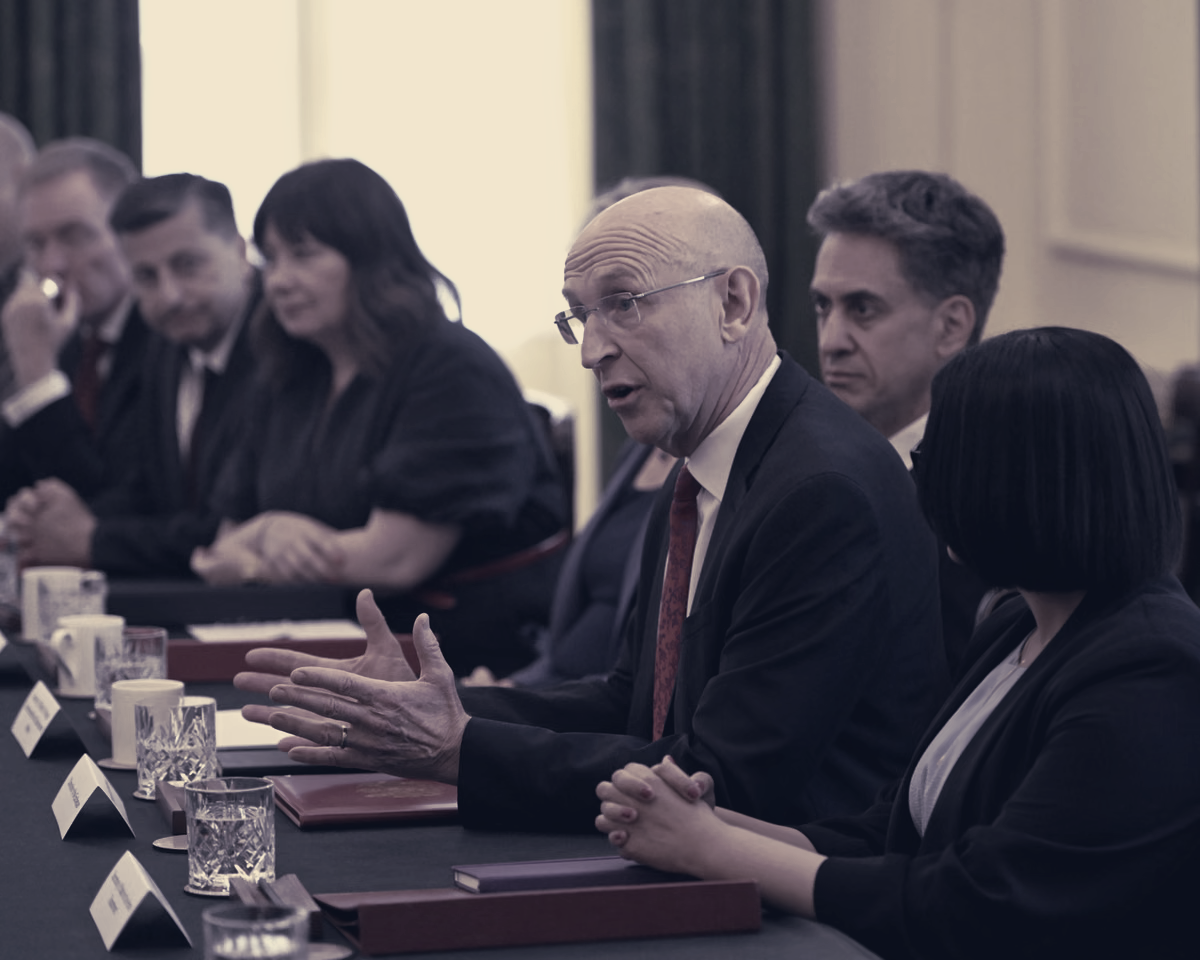

Andy Burnham’s ambitions for council housing, social care reform and greater devolution are at risk unless John Healey can square NATO spending pressure with domestic priorities. Healey’s appointment to the Treasury ends weeks of speculation that the chancellor’s job might go to Ed Miliband or Shabana Mahmood, and places an experienced operator with two years as defence secretary at the centre of next year’s spending decisions. Ministers frame the October budget as a low-key, continuity event, and have pushed the hardest questions about defence versus public services into a spending review next year, handing Healey an immediate, consequential choice.
The Ministry of Defence complicates the calculus. National Audit Office reporting highlights repeated failures in the MoD’s financial controls, and successive defence budgets have been followed by rival claims of underfunding and chronic overspending. The defence sector’s influence on procurement remains a political fact, and contemporary arguments invoke concepts such as "sovereign capability" and targets set against GDP, notably "3% by the next parliament and 3.5% by 2035." Those targets create a steady fiscal pull toward higher defence outlays.
How the Treasury responds will shape public services. The Institute for Fiscal Studies reported that "last year the NHS saw no spending top up for frontline services from the Treasury reserve or capital budgets for the first time since 2013-14," a fact that underlines the political appetite to enforce fiscal discipline across departments. That precedent is relevant because personnel moves inside government matter: Wes Streeting’s appointment as defence secretary is seen by some as helpful because he has experience confronting overspending in the NHS, a background that could influence negotiations over departmental budgets.
Geopolitics adds urgency and political complexity. The Hague investment plan and recent diplomatic pressures have pushed NATO allies toward higher defence spending, and British responses to those pressures have been politically contested. For Andy Burnham, the choice is practical as well as ideological: treat defence as an overwhelming claim on public money, or place it alongside housing, health and local empowerment within a progressive agenda.
The spending review will be decisive. It will show whether Healey can contain defence’s appetite enough to protect Burnham’s domestic priorities while preserving the UK’s international commitments, or whether social programmes will be the adjustment valve for higher defence spending.