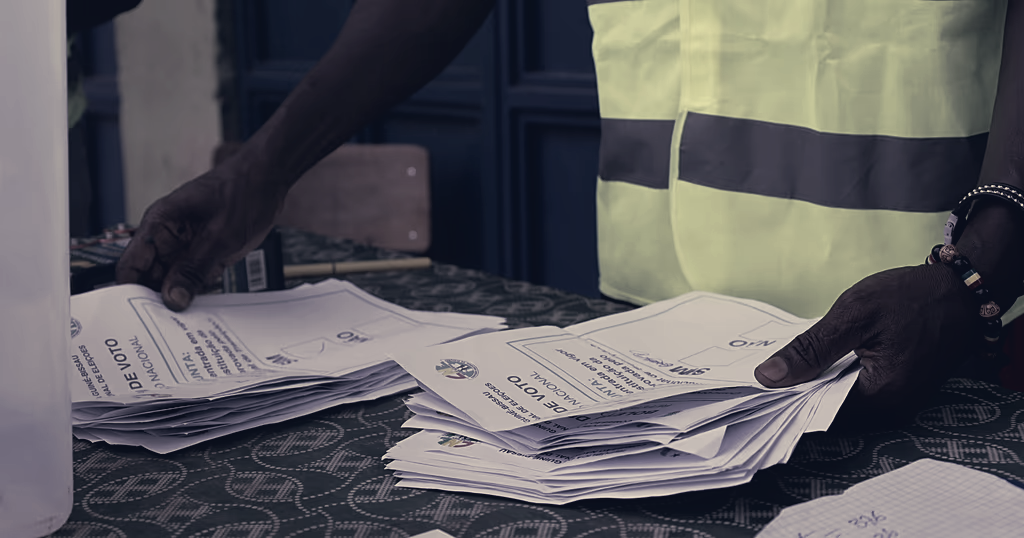

The presidency stands to gain broad new powers if voters approve the draft constitution, as officials began counting ballots after polls closed across the capital. Security was tightened at strategic points, with national guard and police posted at key locations while polling stations shut at 5:00 pm local time. The National Electoral Commission said it expects to publish provisional results on Tuesday.
Idrissa Djalo, executive secretary of the National Electoral Commission, told journalists turnout had "exceeded" 55 percent and that, "on the whole, voting took place without any incidents that would call into question the credibility of the vote." The commission’s assessment will be central to how domestic and international observers judge the ballot, and to the perceived legitimacy of the pathway back to civilian rule.
The referendum comes less than 10 months after a military takeover that ousted President Umaro Sissoco Embalo and suspended the electoral calendar. The junta, which is enforcing a transitional charter that bars its leader from standing, has unanimously backed a change from a parliamentary to a presidential system and urged the public to approve the revision.
Under the proposed text the head of state would no longer be constrained by the requirement that the prime minister come from the parliamentary majority. The presidency would gain the authority to appoint and dismiss the prime minister and government ministers, and to dissolve parliament, a shift the junta says will reduce unstable power-sharing.
The opposition called for a boycott, arguing the vote is taking place amid restrictions on public freedoms. Transitional president General Horta N'Tam appealed to young voters as he cast his ballot, calling on them to vote "massively" and saying, "What we want after this referendum is to allow whoever wins the elections to see out their mandate without hindrance."
Voters at polling stations offered cautious hope. Shopkeeper Halimatou Traore said, "The successive crises the country has gone through have had a very negative impact on my earnings," and added, "If everything goes well, Guinea-Bissau will set off on new paths." Seventy-six-year-old independence veteran Braima Seidy said, "I truly believe that this new Constitution can bring stability to the country." Some stations reported low numbers early after heavy morning rain. "Voters are coming in dribs and drabs," one station head said. "The rain has kept things low-key."
Guinea-Bissau, one of the world’s poorest countries, has endured five coups and multiple attempted coups since independence in 1974. The referendum also follows a regional pattern in which several states have recently amended constitutions to reshape executive powers, including Zimbabwe and Chad. The immediate outcome to watch is the commission’s provisional count on Tuesday, which will influence the tone and legitimacy of the December 6 general election intended to return the country to civilian governance.