

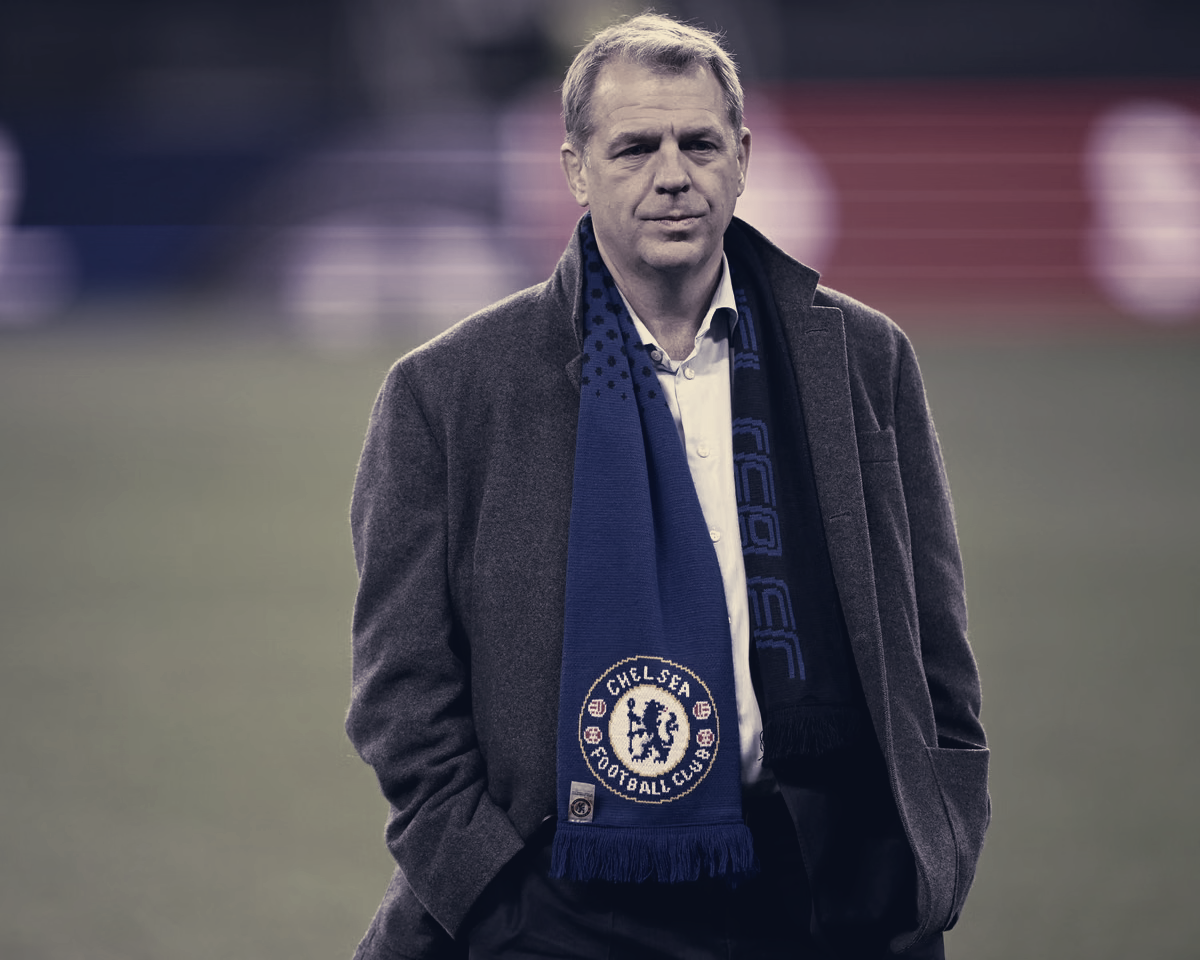
Clearlake Capital now controls Chelsea outright, and the ownership change could free a stalled stadium project at Earls Court. The immediate operations at Stamford Bridge are expected to continue under the same leadership, but the consolidated ownership removes a key obstacle to revisiting long‑term property decisions.
Clearlake, the US private equity firm founded by Behdad Eghbali and José E Feliciano, bought the stakes held by Todd Boehly and Mark Walter on Wednesday. Boehly, Walter and the Swiss billionaire Hansjörg Wyss had shared a combined 38.5% holding after the BlueCo consortium paid £2.5bn for Chelsea in 2022, but their influence had waned as Clearlake emerged as the dominant voice.
Eghbali is already the visible architect of the club’s recent direction, while Feliciano has been less public. Wyss remains involved and has invested in a Clearlake vehicle. Jonathan Goldstein, a Boehly ally, has left the Chelsea board. Clearlake’s full ownership confirms a shift that had been quietly developing for two years, after fractures inside the investment group became public and discussions about governance and buyouts persisted.
Boehly’s time as a hands‑on owner left a mixed record. He briefly positioned himself as interim sporting director following the Abramovich era and became the public face of Chelsea’s aggressive transfer activity, which included roughly £300m spent on players described in the club’s early windows after the sale. The signing of Raheem Sterling on a £325,000-a-week contract and a high turnover of managers reinforced a perception of costly missteps. Chelsea qualified for the Champions League once under the period in which Boehly played an active role.
Since then the club’s recruitment strategy has changed. Chelsea moved from a period with one interim sporting director to appointing five permanent figures in that area, and last summer they hired Xabi Alonso and targeted more established talent. Clearlake sources say lessons have been learned and last summer’s business was stronger. Boehly and Walter are reported to have made a modest profit on their investment.
The overriding practical consequence of the ownership consolidation is scale rather than an immediate overhaul of personnel. Boardroom control now rests with Clearlake and Eghbali’s influence in particular. That concentration could break a governance logjam around a reported plan to leave Stamford Bridge for Earls Court, a proposal that has not advanced since it received planning permission. With fewer internal obstacles, movement on the stadium question is the most tangible development the takeover may prompt.