
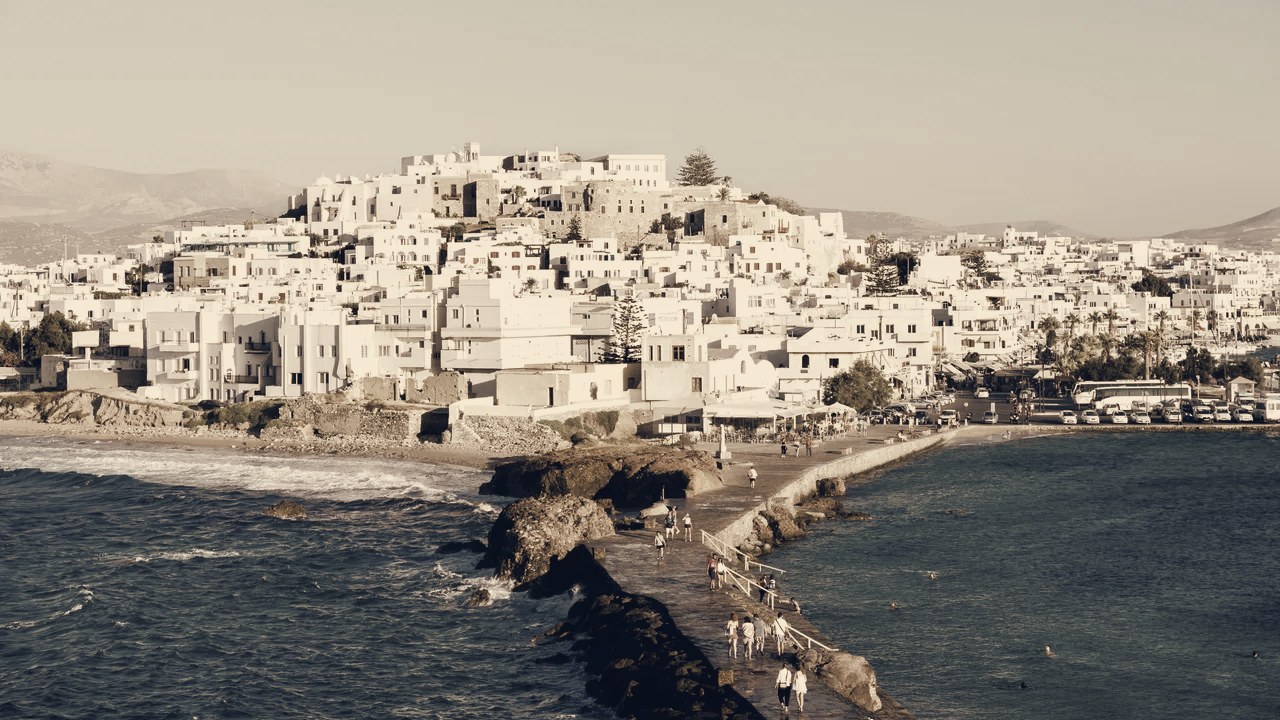
Visitors who want both warm water and smaller crowds gain the most by travelling to Greece in September. The Aegean has been heating all summer, ferries still run on main routes and popular Cycladic hotels often remain open into the month, making it the easiest window for a combined Athens-and-islands itinerary.
The Story in Pictures
Curated Greece co-founders Vasilis Sarmantas and Seetha Ramanathan recommend September for beach holidays with reduced congestion compared with July and August. They also cite late May to early June as a second preferred window near the start of the bathing season, which generally runs until early October. Condé Nast Traveler Top Travel Specialist Ronnie Liadis prefers May for wildflowers and temperate conditions, though Liadis warns the sea can still feel cool that month.
Summer brings the warmest sea temperatures from July to September, and July and August are the hottest months on land. Typical daytime highs are 84-92°F in July and 83-92°F in August, with overnight lows of 65-72°F and 65-73°F respectively. April and May are better for extended sightseeing, when cooler conditions let visitors linger at exposed sites such as the Acropolis and the ancient theatre at Epidaurus.
Practical trade-offs matter. The summer season runs from June to September and is when tourist numbers peak. November through March tends to be the cheapest period for flights and hotels outside Christmas and New Year’s, with international fares sometimes 30 to 50 percent lower than high season. Many island resorts close from roughly November to April, so travellers planning an island holiday in winter should check hotel opening dates and ferry timetables, since a missed connection can erase any savings.
Safety and logistics should shape plans. Strong northerly winds, the meltemi, can cool a hot afternoon while roughening seas enough to delay or cancel ferries; confirm sailings with operators before leaving for the port. Extreme heat can also affect archaeological sites and lead to sudden closures. The EU Copernicus climate service recorded extreme heat stress in parts of Greece during summer 2025, and hot, dry, windy spells raise wildfire risk. Visitors should consult Civil Protection’s daily risk map and follow local restrictions and any 112 evacuation alerts before rural excursions.
Religious and seasonal events change demand. Orthodox Easter fills rooms in places known for Holy Week traditions and may fall on dates different from Western Easter, so travellers hoping to attend local services or festivals should book early and plan to arrive before the weekend.
For most travellers, the choice comes down to priorities: late-summer warmth and easier island connections in September, spring flowers and cooler sightseeing in April and May, or lower costs but reduced island services in winter. Confirm ferry schedules, hotel opening dates and local weather warnings to turn a seasonal advantage into a smooth itinerary.