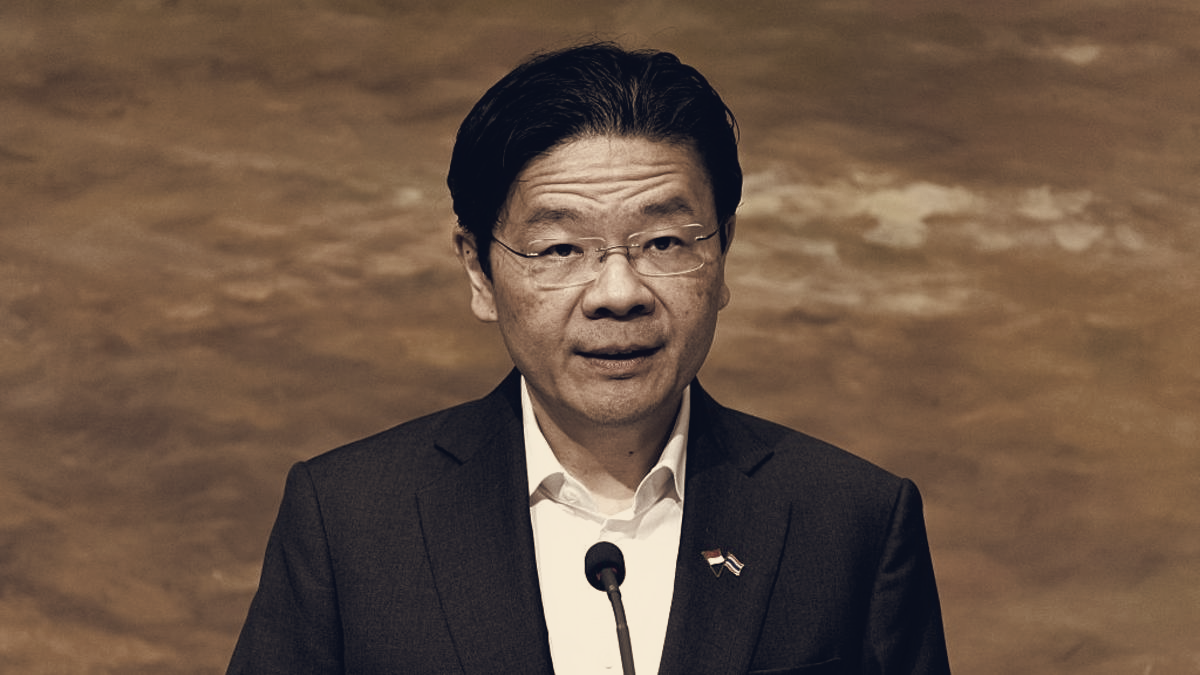

The prime minister will receive an annual package of S$3.6 million, a S$1.4 million increase on his current S$2.2 million, the government announced. The change places Lawrence Wong's pay above every other national leader reported in the announcement and has intensified public criticism at a time of mounting economic anxiety for many citizens.
Wong said he will donate the additional income to charity over the next five years and defended the revision as a tool to attract senior talent into public service. He argued the state should not make financial barriers so large that qualified people are discouraged, adding, "we do not make the financial hurdle unnecessarily high." The government framed the higher pay as part of recruitment and anti‑corruption strategy, citing Singapore's long standing near the top of Transparency International's Corruption Perceptions Index.
Cabinet ministers will also see their pay adjusted. The base ministerial salary, currently about S$1.1 million, will rise to roughly S$1.2 million under the new scheme, and the government says many ministers are likely to earn nearer S$1.35 million by the end of the current term. That increase reflects a shift to partial performance pay, with some rewards tied to national targets including unemployment, income growth and GDP growth.
The announcement contrasted the new package with other national leaders' pay to underline its scale: the statement listed Hong Kong's chief executive at about $719,000, Switzerland's president about $606,000, the US president $400,000 and the British prime minister about $230,000. Domestic context has amplified reaction. Singapore's median monthly income is S$5,775, and government figures show retrenchments reached their highest level in more than five years in the last quarter. Online critics labelled the decision "tone deaf," reflecting anxieties about jobs, graduate prospects and rising prices.
The immediate outcomes are concrete: Wong will take the higher salary and pledge his extra earnings to charity, ministers will receive modest base increases, and future pay gains for officeholders will be partly conditional on macroeconomic performance. The move reopens a long‑running debate over how to balance competitive compensation for public office with public concerns about inequality and cost of living, and it sets a new political test for whether linked performance pay will assuage or inflame public discontent.