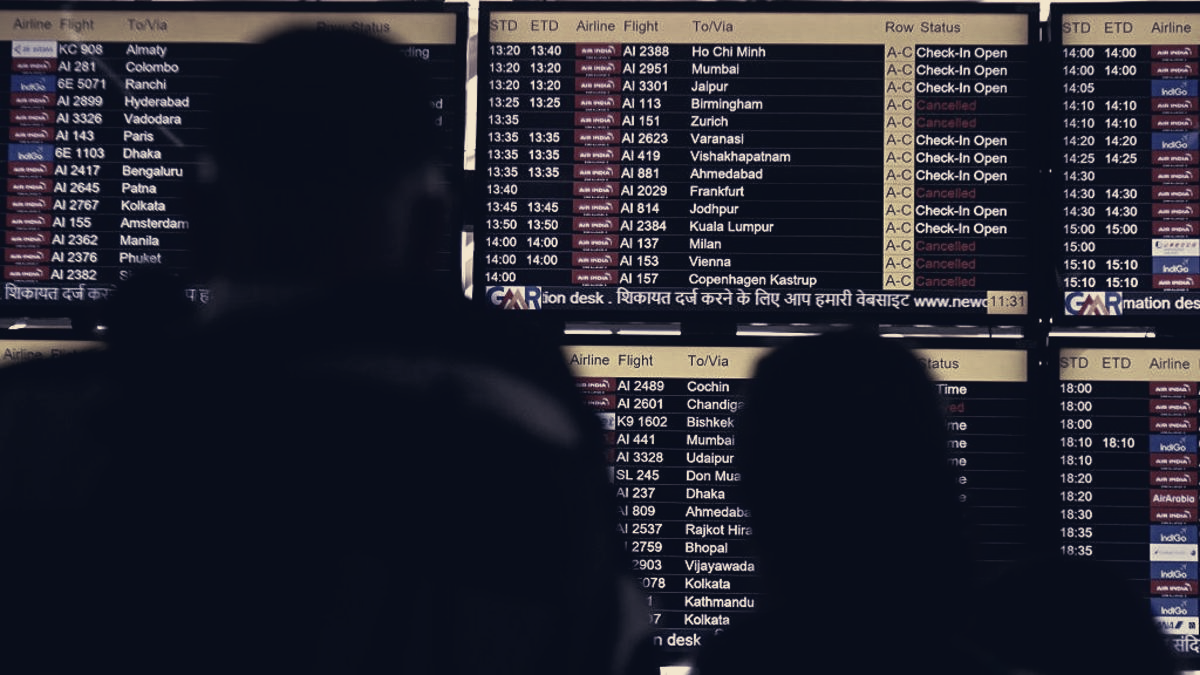

Passengers on almost 2,000 cancelled or disrupted services across the UK have immediate entitlement to practical help from their carrier, including a choice between a refund or being booked onto an alternative flight. That entitlement applies where UK and EU rules govern the journey, and the airline must deliver basic care regardless of the cause of the delay or cancellation.
Airlines operating under UK or EU law, and any carrier departing a UK or EU airport, are required to provide a reasonable amount of food and drink, a means of communication, and if an overnight stay is necessary, accommodation plus transport to and from the hotel. If the operator cannot arrange these services, passengers may make reasonable arrangements themselves and claim the costs back, keeping receipts as evidence, the regulator advises.
If a flight is cancelled, passengers are entitled to choose a full refund for unused parts of their ticket or to be re-routed to their destination at no extra charge. For return bookings this can mean a full refund for the entire ticket when the outbound leg is cancelled. Where an alternative carrier or another form of transport will get a traveller to their destination substantially sooner, the airline should offer that option.
Delays also trigger care obligations: short-haul delays over two hours, medium-haul over three hours, and long-haul over four hours carry the same right to assistance. Travellers delayed more than five hours may opt not to travel and claim a full refund.
Extra financial compensation depends on who is to blame. Events classed as extraordinary circumstances, including air traffic control failures, severe weather, airport strikes or conflict, do not normally qualify for additional payouts. When the airline is at fault and notice was short, statutory sums apply, capped by distance: up to £220 for journeys under 1,500km, up to £350 for 1,500-3,500km, and up to £520 for flights over 3,500km.
Package holiday bookings with ABTA members also entitle customers to an alternative flight or a full refund. Passengers should first claim with their airline for care and refunds, keep receipts for any unavoidable expenses, and then pursue unused bookings via card providers or travel insurers if appropriate. Loss of earnings from being late due to a flight disruption is not routinely reimbursed by airlines, and employers have no automatic obligation to pay absent contract terms.