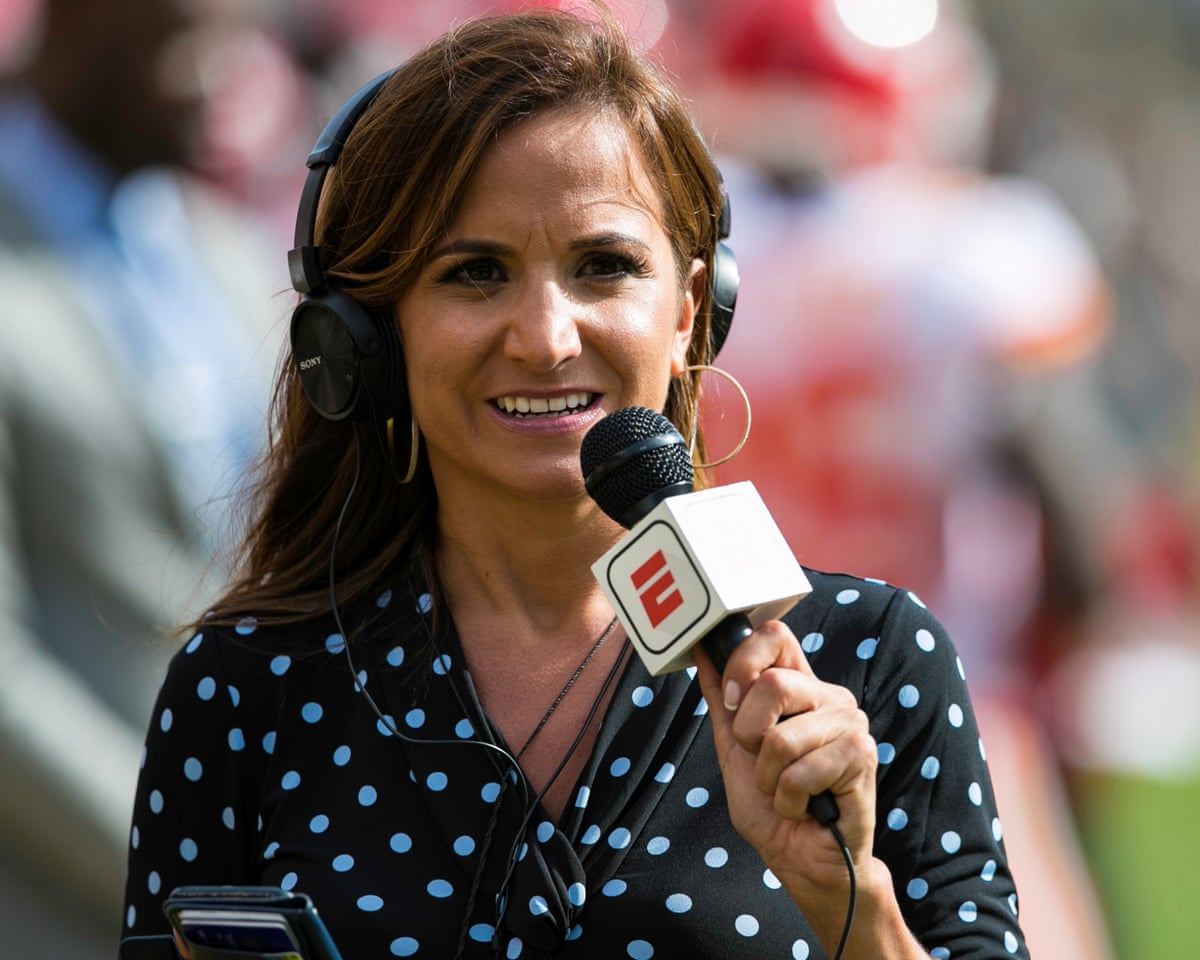

Dianna Russini resigned after The Athletic concluded her relationship with New England Patriots coach Mike Vrabel breached the outlet's newsroom standards. The five-month internal review said the ties gave the appearance of a conflict of interest and undermined confidence in her impartiality.
Mike Semel, The Athletic's editorial director for standards and quality, led the probe and wrote that he was unable to determine the exact nature of the relationship or find clear evidence that Russini used her reporting to help Vrabel or his teams. "Russini’s relationship with Vrabel was in clear violation of The Athletic’s standards," Semel said. He added, "I’ve not found a clear link to conclude that Russini used her platform to help promote Vrabel or help his teams during her time at The Athletic. That said, there are examples of Russini writing glowingly of Vrabel that in hindsight are awkward or even uncomfortable."
The investigation followed publication of photos in March showing Russini and Vrabel at an Arizona resort around the time of the NFL owners meetings. Some images appeared to show them embracing or holding hands. Both are married to other people, and both denied impropriety. Russini said the images did not reflect that they were part of a larger group gathering, and Vrabel called any suggestion of wrongdoing "laughable." The Athletic initially defended Russini, saying the photos lacked context, but opened a review after further reporting and images raised questions.
Semel examined 903 stories, 77 videos and more than 200 podcast episodes that included Russini's work. He reported that most of her coverage was not dependent on Vrabel, and colleagues described her as broadly sourced across the NFL. Russini told editors the relationship was "close" but "strictly professional." Semel concluded, "But of course, the appearances surrounding her relationship with Vrabel undermines our audience’s confidence in her impartiality." Russini resigned on 14 April, writing that she stood behind every story she had published.
The Athletic, which is owned by The New York Times Company, placed editorial standards at the centre of its response. The NFL decided not to investigate Vrabel, who said the publicity led to "difficult conversations" and that he would seek counseling. The report leaves clear policy consequences at The Athletic and underscores how perceptions of reporters' off‑duty relationships can force newsroom action even when direct editorial bias is not proven.