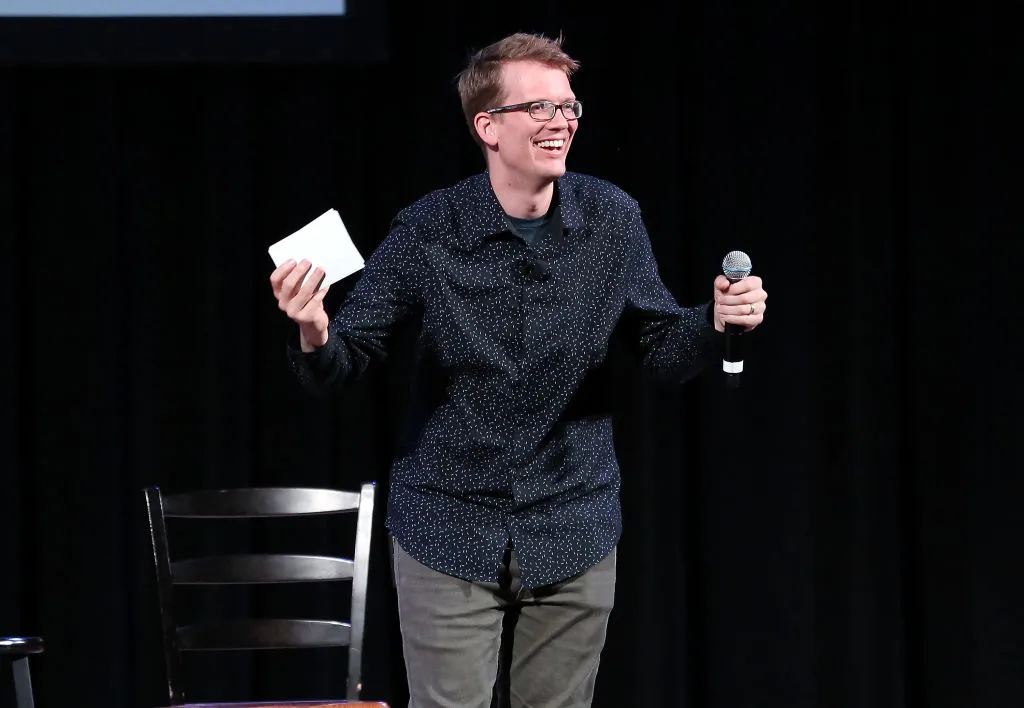
Creator well‑being is at risk, Hank Green acknowledged, calling his own AI usage "not healthy." The veteran YouTuber offered what TechCrunch described as a remarkable apology and quoted "the level of dopamine that I've been getting from interacting with LLMs ..." as part of his explanation.
Green's admission reframes a familiar tech story, from feature pitch to personal habit. He did not issue a technical critique of language models, instead focusing on his emotional and behavioral response to them. That shift matters because it moves discussion of AI from capabilities and ethics into the daily lives of people who build and depend on digital content economies.
The confession underscores a tension for creators who balance productivity gains from generative tools with risks to attention and motivation. Language models can speed drafting, brainstorming and research, yet they also offer instantly rewarding interactions that mimic conversational feedback. Green's phrasing highlights that reward loop, and suggests creators should evaluate not only what AI can do, but how it changes creative routines and mental health.
Platform designers and audiences now face a question, raised implicitly by Green's apology: when does useful tooling become a compulsive substitute for craft and community? The answer will affect how creators manage workflows, how companies surface AI features, and how culture talks about technology and attention.
Green's statement does not resolve that debate, but it amplifies it. Public figures acknowledging personal harm from everyday AI use will push conversations toward guidelines and coping strategies for creators and power users. What happens next will depend on whether other creators follow his lead, and whether platforms respond by rethinking feature design and disclosure around large language models.