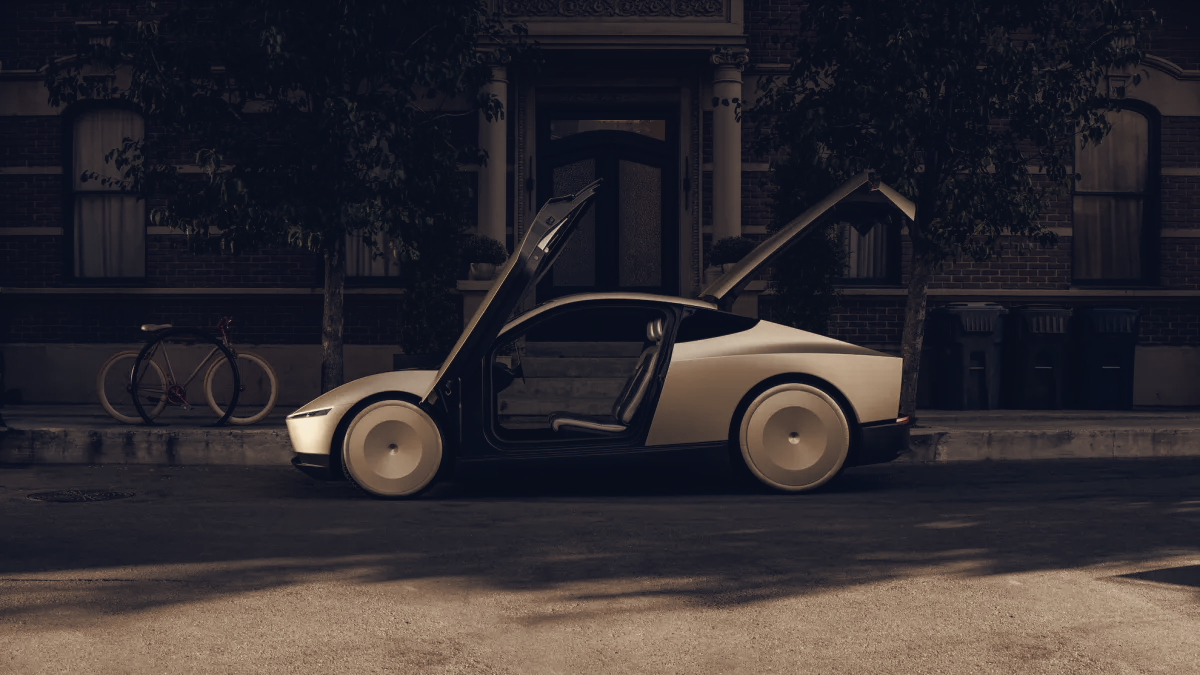

Businesses can now register interest in buying Tesla Cybercabs or building the infrastructure to support them, a move that signals the company may widen its robotaxi strategy beyond in-house operation. Tesla published a business interest form this week ahead of its Cybercab event in Austin, asking potential partners to indicate interest in options such as fleet purchasing, mobility hubs and infrastructure, event collaboration, or other roles.
The form does not prove Tesla will sell Cybercabs to third-party fleet operators, but it is a clear indicator of where the company’s longer-term plans may be headed. For years Elon Musk described a vision in which individually owned Teslas could join a shared, self-driving network, and he even predicted in 2020, "I feel very confident predicting that there will be autonomous robotaxis from Tesla next year, not in all jurisdictions because we won’t have regulatory approval everywhere." That owner-driven concept never materialised, and Tesla has instead focused on testing and operating its own robotaxi fleet, first using Model Y vehicles and now the purpose-built Cybercab.
Opening a channel for fleet buyers and infrastructure partners would change who carries the capital and operational load for rapid expansion. Third-party operators could accelerate market saturation by taking on financing, local logistics and fleet management, while Tesla concentrates on vehicle production, software and network orchestration. A growing ecosystem of fleet managers already exists, including companies like Moove, which recently raised $250 million at a $2.1 billion valuation and serves as a fleet operator for Waymo in Phoenix, Miami and Las Vegas and plans to expand to London. Other companies moving into autonomous fleet management include Avomo, New Horizon, and traditional rental firms such as Avis and Hertz.
If fleet sales or commercial partnerships follow, smaller operators could find new business opportunities, and Tesla could scale its network faster than through internal operation alone. The company’s next steps will be clearer after the Austin Cybercab event, and the responses from operators who fill out the interest form will show whether Tesla intends to sell vehicles, license operational tools, or pursue hybrid arrangements that mix company-run and third-party fleets.