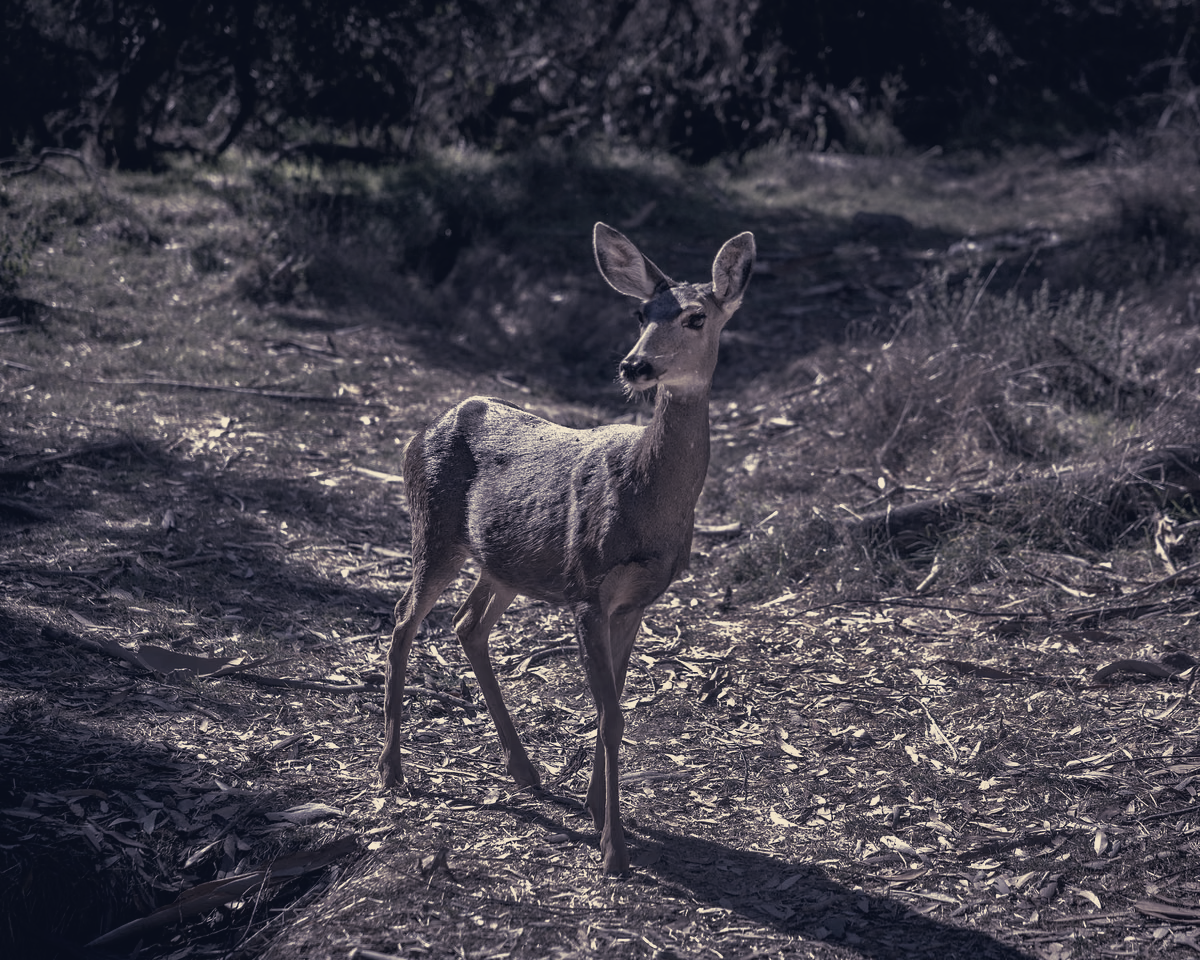

A county judge has authorised the Catalina Island Conservancy to remove nearly all of the island's 2,000 mule deer, a ruling that clears the way for a five-year programme the conservancy says is necessary to restore native vegetation and reduce wildfire risk.
The conservancy, which manages 88% of Santa Catalina Island off the southern California coast, will begin an initial phase that it says will remove about 200 deer by rifle over the next two months after a judge on Thursday denied a preliminary injunction sought by opponents.
The deer were introduced for sport about a century ago and the population expanded to several thousand, the conservancy and researchers say. They argue heavy browsing has pushed native shrubs past the point of recovery and opened space for invasive grasses that ignite more easily and spread fire faster, increasing the island's vulnerability to wildfire.
Anna L Jacobsen, a plant biologist at California State University, Bakersfield, has argued that browsing by non-native deer prevents the regeneration of shrub species already stressed by climate change, allowing fire-prone invasive grasses to move in.
Max Moritz, a wildfire specialist who advises state and local governments, framed the decision in technical terms, saying, "But the fact is, you can’t realistically constrain the deer to graze only targeted areas ... From a scientific, ecological, and fire perspective, removal is the best way."
The proposed cull drew intense opposition, assembling an unusual coalition of animal welfare advocates and hunters and generating more than 32,000 signatures on an online petition. Los Angeles County supervisor Janice Hahn asked Governor Gavin Newsom to intervene, but the effort to halt the plan stalled after state approval of a restoration management permit in January.
The conservancy reviewed nonlethal alternatives, including contraception, sterilisation and fencing, and concluded those approaches were impractical at the required scale. It plans to sterilise a small group of deer near Avalon, allow a final resident hunting season from late October to mid-December, and direct harvested meat to the California condor recovery programme or local tribal groups.
Officials say carcasses found near trails or roads will be removed, and only those in steep, hazardous terrain will be left to decay. Pepe Barton, the conservancy's director of communications, said the decision "was never our first choice" and called the killings "a noble sacrifice on the part of the deer that didn’t ask for this," adding, "But this is a necessary step to protect the island, the native plants and animals that are only found here, as well as the residents and livelihoods that depend on Catalina."
The conservancy will now begin implementing its management plan, starting the scheduled removals and conservation measures outlined in its restoration permit.