
The European Union will expand its sanctions on Russia, Kaja Kallas said, as Brussels responds to Germany’s accusation that Moscow was behind a failed drone attack at Leipzig/Halle Airport.
Kallas struck a defiant tone, saying "attempts to intimidate Europe" would fail and calling the incident "state-sponsored terrorism". She said the bloc is preparing new proposals to ramp up enforcement and punishment for those linked to Russia’s military sector.
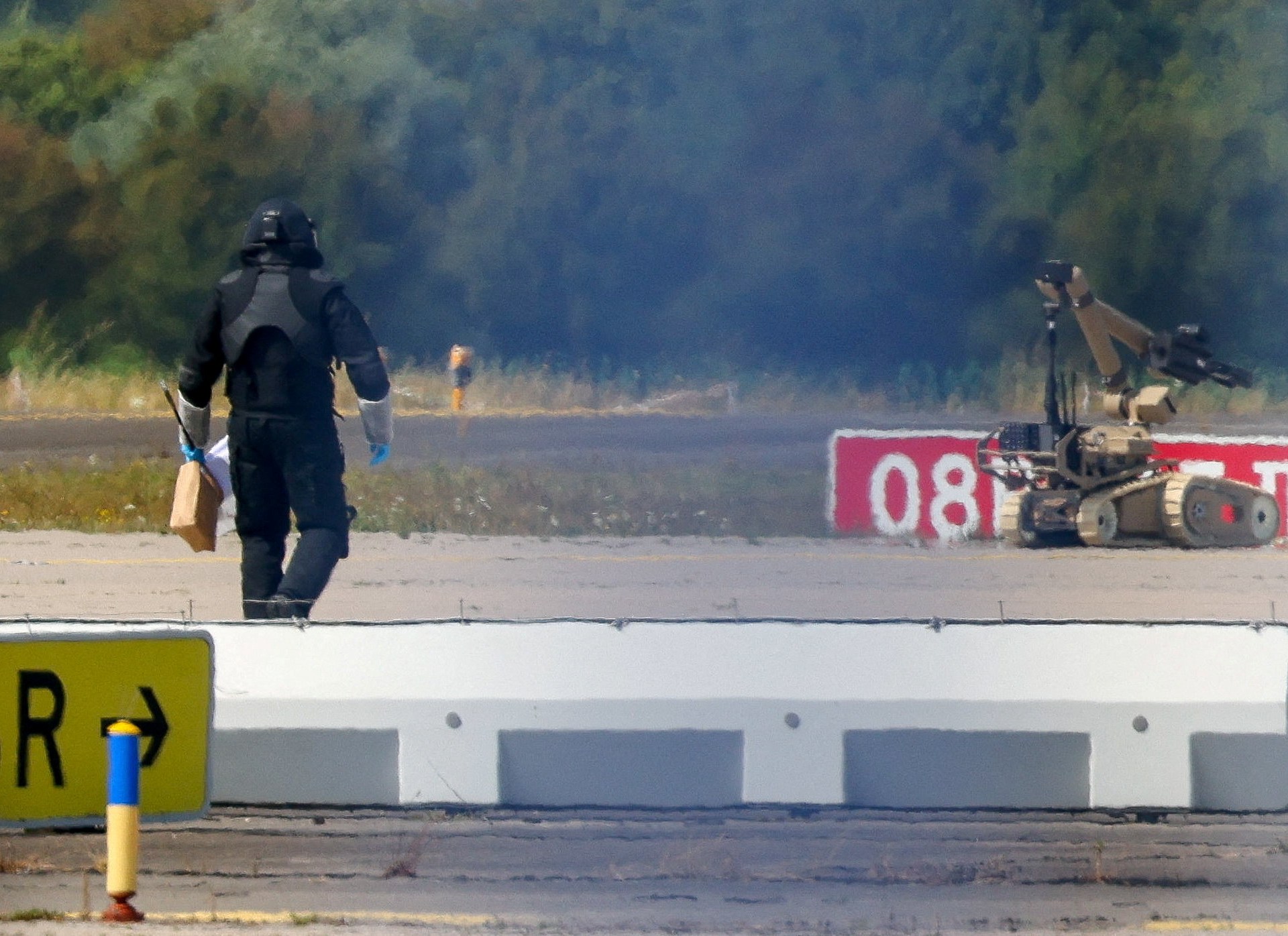
German authorities found three drones carrying explosives in and around the airport on August 4, briefly disrupting flights. Russia has denied any role, and President Vladimir Putin said evidence had been "planted". Kallas wrote on X that the EU is preparing to sanction an additional 1,600 individuals and entities connected to Russia’s military, and that the bloc is "ready to add more".
The foreign affairs chief also said there was broad support among EU foreign ministers for banning former Russian military personnel from visiting the bloc, and she raised the prospect of tougher visa rules for Russian tourists. The EU and several member states summoned Russia’s representative, while Moscow summoned Germany’s envoy, Bernd Finke, with the foreign ministry saying it "categorically" rejected responsibility.
European Commission President Ursula von der Leyen said authorities are examining how "to cut deeper into Russia’s war chest", calling the attempted attack "a new escalation on European Union soil". German Foreign Minister Johann Wadephul warned that Russia would have to live with the consequences, and that a response had been carefully prepared. To date, more than 3,000 Russian officials, oligarchs and companies have been sanctioned since Russia invaded Ukraine in February 2022.
Brussels is pursuing pressure short of military action, but it is unclear how additional sanctions will affect Russia’s conduct in the Ukraine war, which the bloc and Kyiv view as a conflict of attrition. For now, the immediate outcome is a stepped-up sanctions drive, tighter travel limits under consideration, and heightened diplomatic friction between Berlin, Brussels and Moscow.