
Germany will soon identify who it holds responsible for the 4 August drone incident at Leipzig/Halle airport and set out a coordinated response with European and NATO allies, raising pressure on partners to align on measures. Chancellor Friedrich Merz told ARD the federal government is close to completing its inquiry and has reached internal agreement on how to react. "We are in the process of concluding the investigations; we have reached a broad agreement within the federal government on how we will respond, and we will make this clear in the coming days. It won’t take much longer," he said.
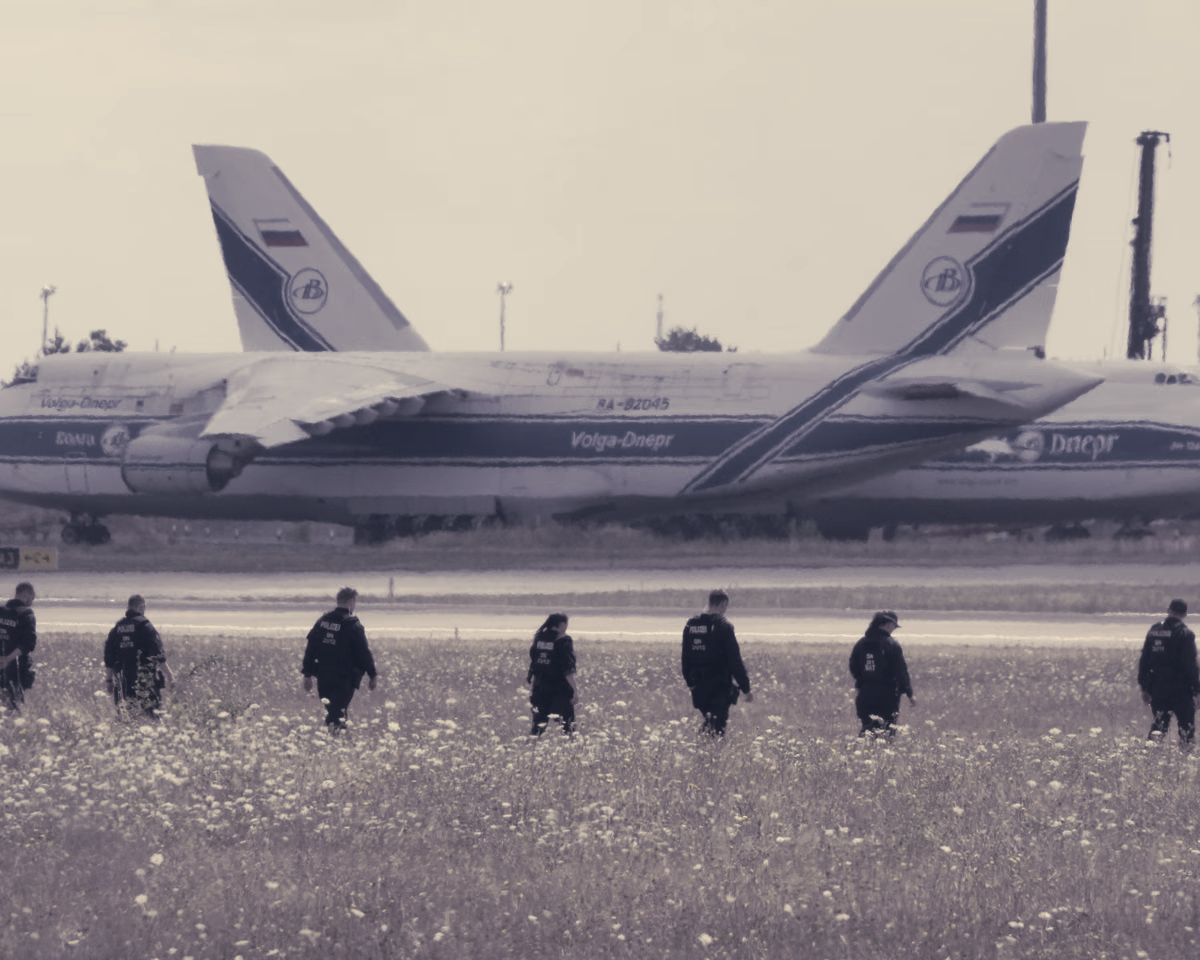
The incident under investigation began when investigators found a drone with an explosive device beside a Ukrainian Antonov freighter that had been carrying military supplies. Officials said the device did not detonate, and they believe the drone was intended to land on the aircraft’s wings while the plane was fuelled with kerosene. Around 20 minutes later a second drone struck a DHL cargo plane, forcing it to abort its landing and divert. Days after those events teams discovered a third drone in a field on the airport’s western edge.
Forensic work by the federal criminal police turned up residues initially assessed as potentially hexogen, a highly explosive compound. An investigators’ report warned, "The perpetrators may have had a far larger attack in mind than previously known to the public." German officials have not publicly attributed blame, but speculation in Berlin has pointed at coordination by Moscow, an allegation the Kremlin denies.
Some reports citing government sources say Berlin is preparing to blame Russia, and possible responses under discussion include a coordinated sanctions package with Brussels, tougher steps against a so-called shadow fleet moving Russian oil, and closure of the Russian cultural centre in Berlin, Russian House, with an expectation of reciprocal measures against the Goethe Institute in Russia. Ministers are already sharing intelligence with allies, and Merz said Germany’s reaction will be presented alongside EU and NATO partners.
The timing sharpens political stakes, with votes due this week in eastern German states where the anti-immigrant AfD is expected to perform strongly. AfD foreign policy spokesman Markus Frohnmaier said he believed "without a doubt" Germany faced hybrid threats but urged authorities to "first establish transparency and provide information about the current state of knowledge." Officials and diplomats will watch meetings of EU defence and foreign ministers in Wicklow this week for an opportunity to make or coordinate announcements. Berlin’s next steps will determine whether the response is narrowly punitive or expands into a wider campaign aimed at weakening Moscow’s finances and logistics.