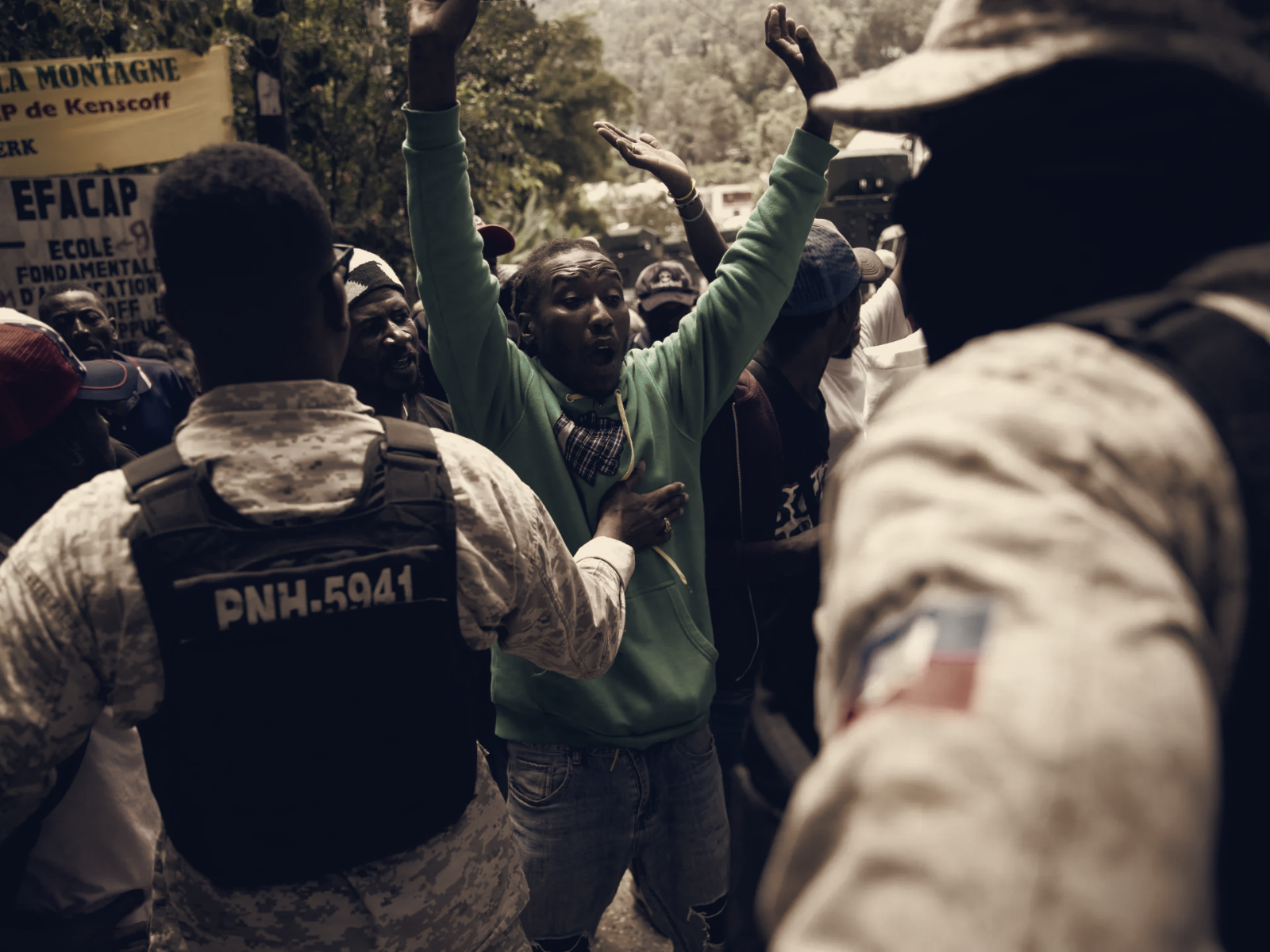

Public trust in Haiti's police is under pressure after a gang attack in Kenscoff killed 47 people. The size of the casualty toll has crystallised local frustration and focused attention on whether recent improvements in safety can hold.
The attack took place in Kenscoff, a community that had been experiencing a decline in crime, and it has raised questions about Haiti's security, Al Jazeera reported. Those two facts, taken together, make the incident more than a single outbreak of violence; the event undermines a pattern of improving security that residents and authorities had begun to cite.
Police now confront visible public discontent. The scale of the loss intensifies demands for answers about how a lethal gang operation could strike in a town where violence had been easing. That tension turns operational failures into political liabilities for security forces at every level, because the public will measure response and accountability against the expectation of safer streets.
The fatalities also reshape the conversation about security policy. Where a decline in crime suggested momentum, the attack demonstrates how quickly that momentum can be lost. The result will be renewed scrutiny of policing tactics, resource allocation, and protective measures across similar communities that had registered improvements.
Coverage by international outlets, including Al Jazeera, ensures the incident will not be contained locally. Media attention amplifies pressure on authorities to explain what happened and to outline concrete steps to prevent a repeat. For residents of Kenscoff and other towns that had hoped the worst was behind them, the immediate question is whether institutions can restore safety and public confidence.
What happens next will hinge on the responses authorities offer and how quickly those responses translate into visible change on the streets. The incident has already shifted the debate from whether crime is declining, to whether gains are durable and who will be held to account when they are not.