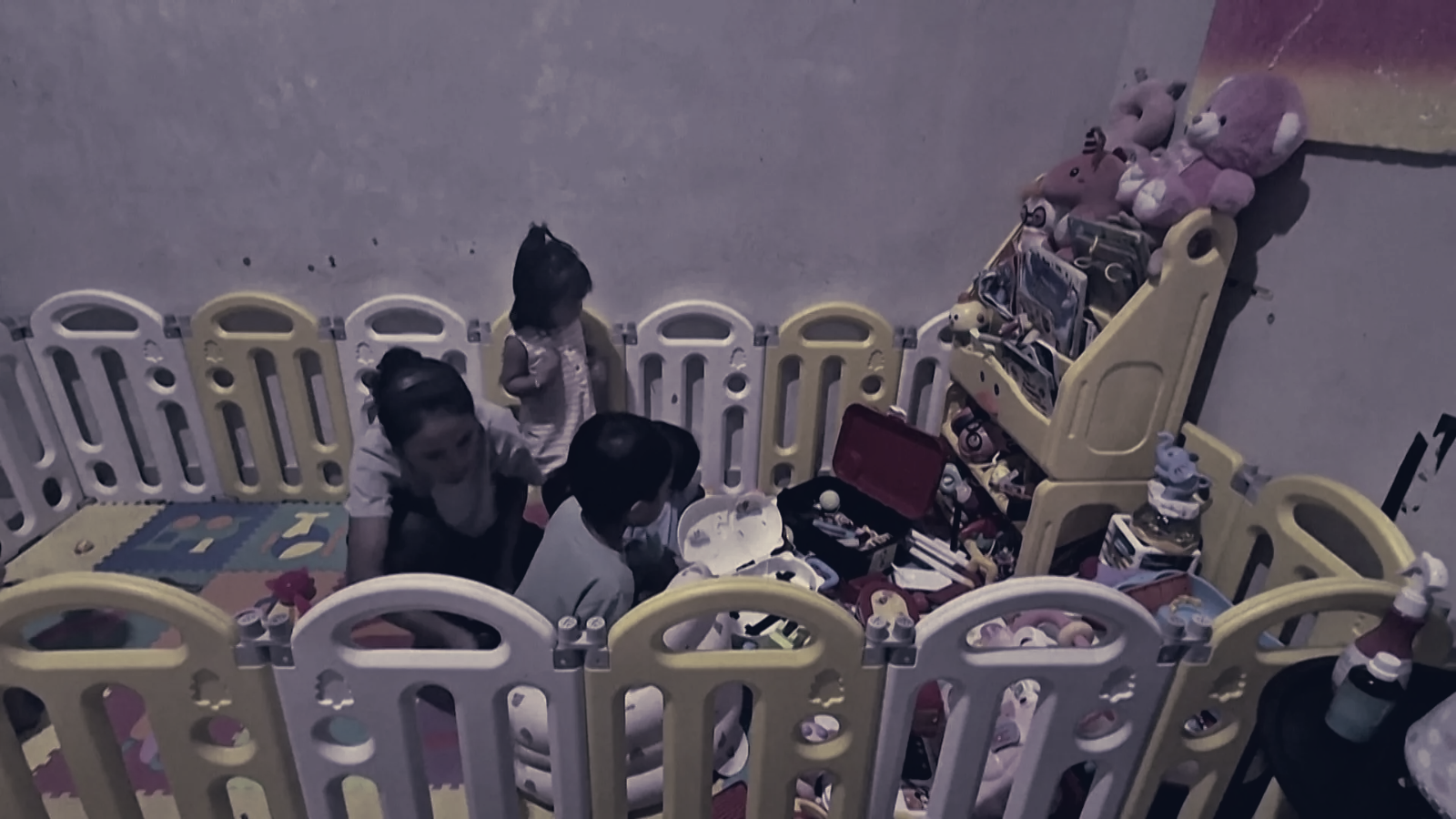

Babies and young children gain dedicated shelter after Indonesia moved to protect the youngest people affected by heavy wildfire smoke. Authorities have set up spaces intended for infants and children, responding to the health threat posed by airborne pollution as fires produce widespread smoke.
The action concentrates relief where vulnerability is highest, directing shelter capacity and care toward those most at risk from smoke exposure. By creating child-focused shelters, the response shifts immediate protection away from generic evacuation sites toward facilities suited to infants and young children.
Health concerns linked to particulate-laden air prompted the measure, with the shelters designed to reduce young children’s exposure while fires and smoke persist. The facilities provide a controlled environment for families with small children, separating them from outdoor air conditions that carry respiratory hazards.
Setting up shelters for babies and children also simplifies where caregivers can find focused support, including safer indoor air and a space tailored to the needs of infants. The move narrows the gap between emergency relief and the specific requirements of very young dependents during a smoke event.
What happens next depends on the persistence of the smoke and how authorities adapt shelter capacity. If fires and hazardous air continue, these child-focused sites will likely remain central to immediate relief operations. If conditions improve, the shelters will be a short-term response that can be scaled back once air quality stabilises.
For now, the decision to establish shelters for babies and children stands as a targeted public-health response to widespread wildfire smoke, concentrating resources on protecting the youngest residents while the environmental threat endures.