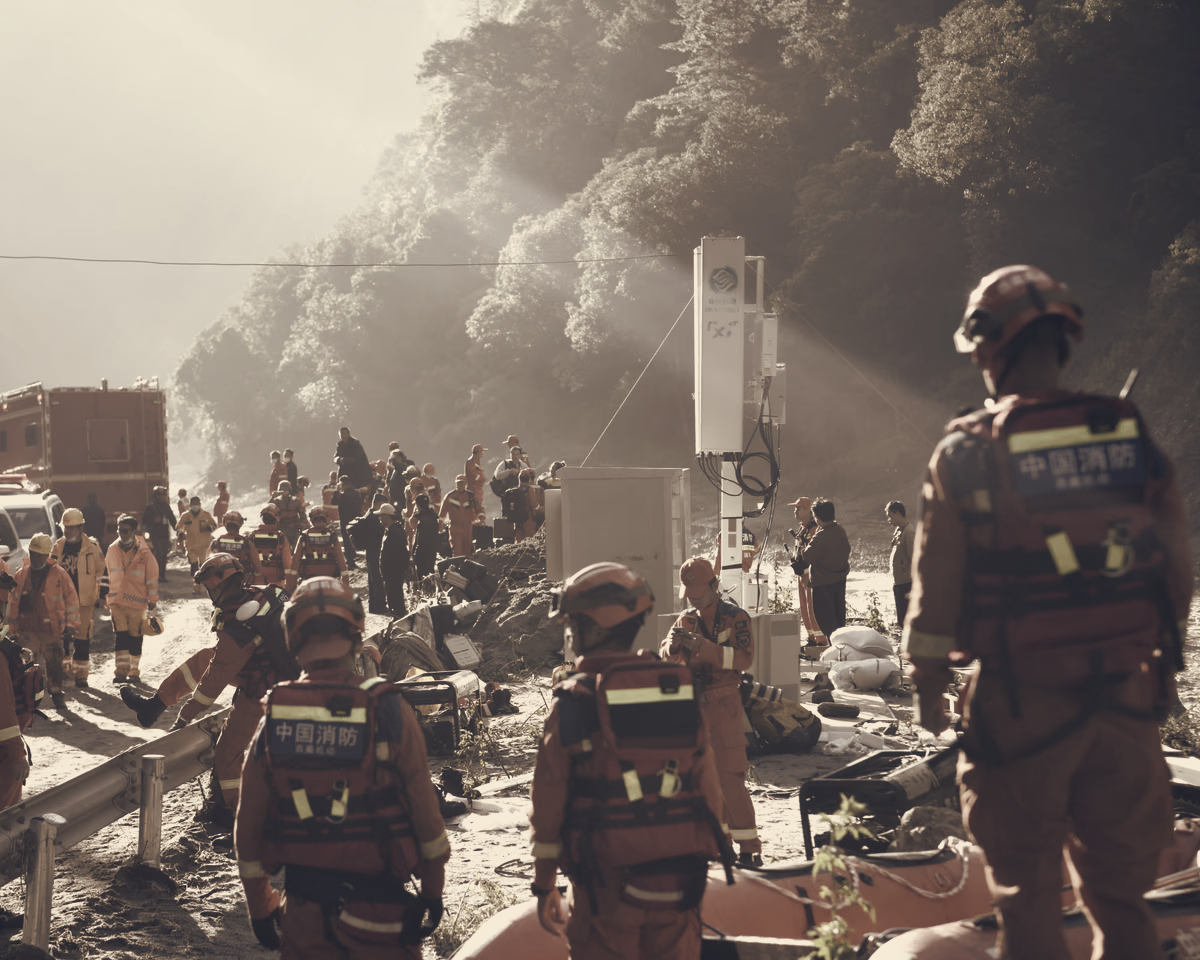

Nepal confronts a growing recovery and identification challenge after Chinese rescuers reported finding "nothing but ruins" at a border crossing, a scene that underscores how severe the flooding has been across the Nepal-Tibet frontier.
Rescue teams from both countries continue operations in the flood-damaged Himalayas, attempting to reach remote passes and settlements cut off by water and debris. The description of the crossing as reduced to ruins signals major infrastructure loss that will complicate movement of people, equipment and relief supplies across the border.
Kathmandu has asked for assistance to identify and store the dead, reflecting a gap between the scale of the toll and available local capacity for forensic and mortuary work. That request frames the immediate humanitarian priority, as families and communities await information about missing relatives while authorities manage the logistics of recovery.
Search and rescue activity remains arduous and hazardous, shaped by terrain and weather in high-altitude areas. Teams face the dual task of looking for survivors and securing affected sites so bodies can be recovered safely and processed. The border crossing damage intensifies both tasks by limiting access to equipment and personnel that normally move across that route.
The cross-border nature of the event ties the fortunes of Nepalese and Chinese responders together. Coordination will determine how quickly identification, temporary storage and eventual repatriation of remains can proceed, and how rapidly life at the frontier can begin to return to normal. Restoring transit at the ruined crossing will be essential to reopen supply lines and support reconstruction.
Officials have indicated continued search and rescue efforts will be necessary. For now the emphasis is on sustaining operations in the Himalayas and securing technical help for identification and mortuary capacity, while assessing the scale of damage at border points that have been described as "nothing but ruins."