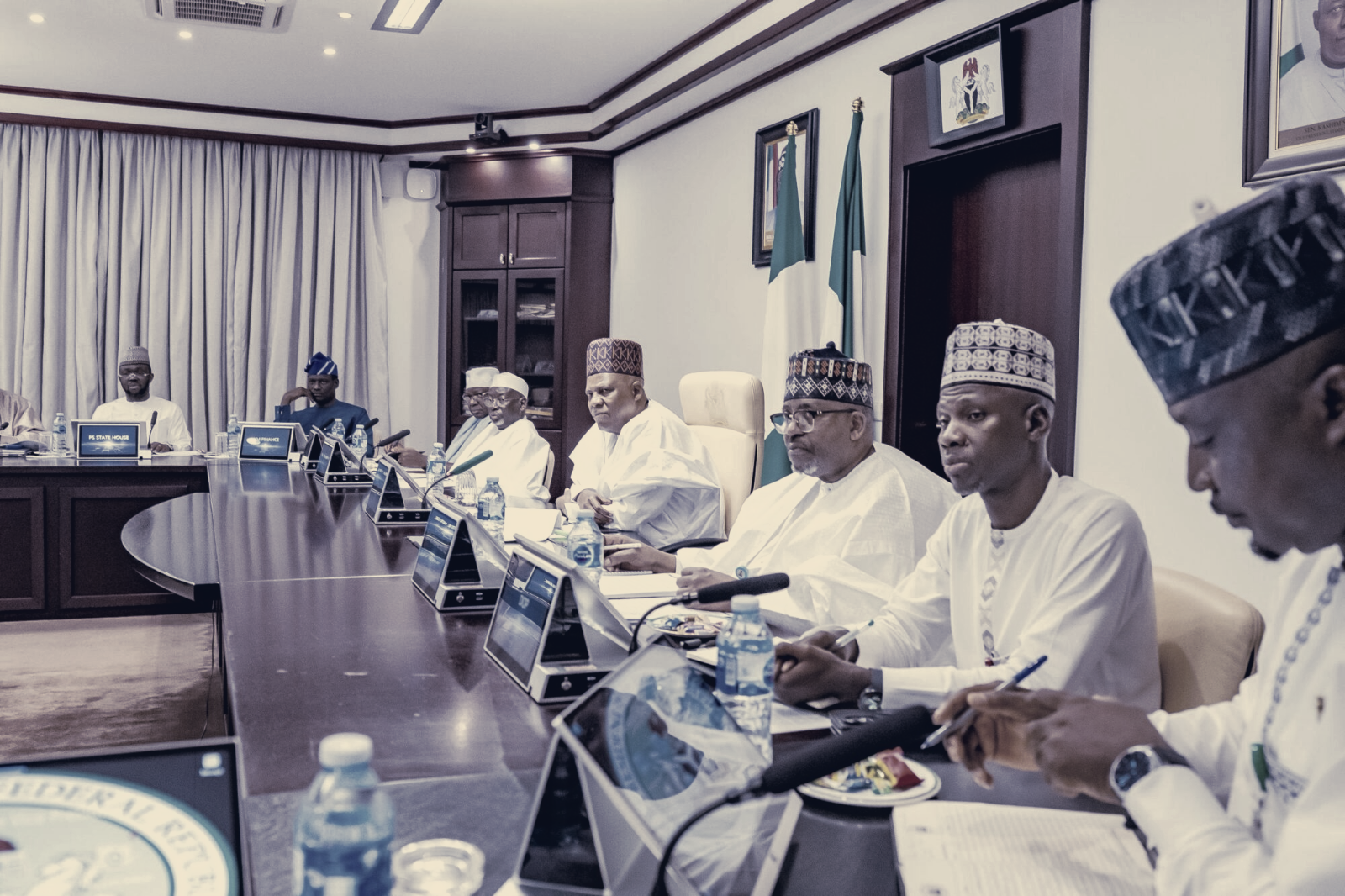

What happens next? Vice President Kashim Shettima has called for "stronger accountability" over a range of food-systems initiatives and interventions, citing a $500 million agriculture programme among them.
The demand places Nigeria's high-value agricultural spending under a public spotlight. By singling out the half-billion-dollar programme, the vice-president elevated the issue from routine project management to a matter of national scrutiny, and signalled a need for clearer answers about how funds are allocated and tracked.
Shettima's language stops short of naming specific audits or corrective measures, but the phrase "stronger accountability" narrows the political margin for error for officials overseeing these interventions. Programme managers, implementing partners and anyone responsible for budget execution now face intensified expectations to document activities and outcomes.
The call also reframes accountability as a live policy priority, not a technical footnote. That shift matters because it changes incentives: transparency and results will be foregrounded in discussions about implementation, procurement and monitoring. Stakeholders across government and the private sector who interact with food-system programmes will be judged against that standard.
Details on follow-up steps were not provided in the available statement, leaving the timing and mechanisms of any oversight measures unclear. The vice-president's appeal, however, makes clear that questions about governance and value for money will shape the next phase of these interventions, and that those managing the $500 million programme must now answer to heightened public and political expectations.