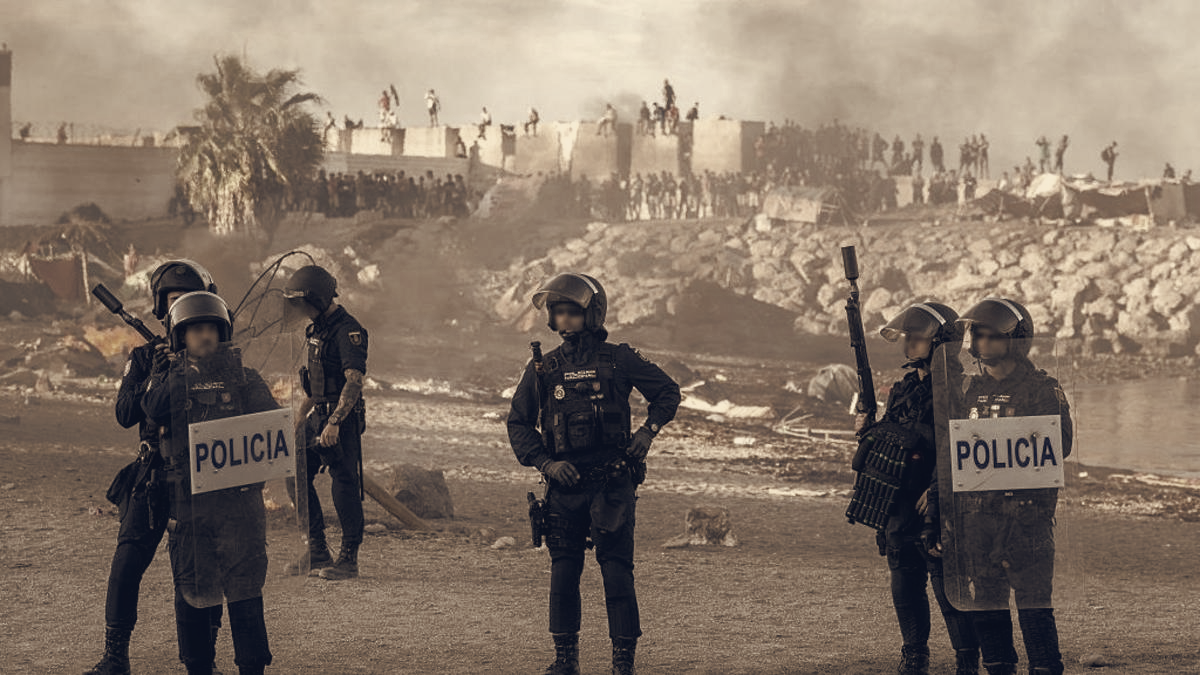

Migrant safety is at risk after violence erupted in Ceuta. Reports say a group of migrants was accused of throwing stones at a military vehicle, while some locals set fire to camps on the beach. The incidents followed an ongoing migrant crisis, and they have left temporary shelters damaged and residents on edge.
The immediate facts are narrow, but the consequences are broad. Attacks on a military vehicle signal direct confrontation with security forces, which increases the likelihood of a tougher response and elevates the chance of further clashes. Fires set at camps destroy shelter and material support, deepening displacement for people already in precarious circumstances.
Those on the ground face multiplied risks. People living in makeshift accommodation may lose the limited protection those sites provide, while any escalation between locals and migrants will harden community divisions and reduce space for calm, negotiated solutions. The involvement of military assets, even as targets of stone-throwing rather than explicit engagement, raises the stakes for both authorities and migrants.
What happens next will shape the immediate humanitarian picture. The twin actions of violence against a military vehicle and deliberate burning of camps make it harder for aid or mediation to proceed without friction. De-escalation will require steps that address both the security concerns authorities face and the urgent shelter needs of displaced people, a balance made more difficult once violence has begun.
For now, the incidents keep the migrant crisis in Ceuta volatile. The damaged camps and the confrontation with security forces are likely to compound an already fragile situation, leaving migrant safety and local stability in doubt until tensions are defused.