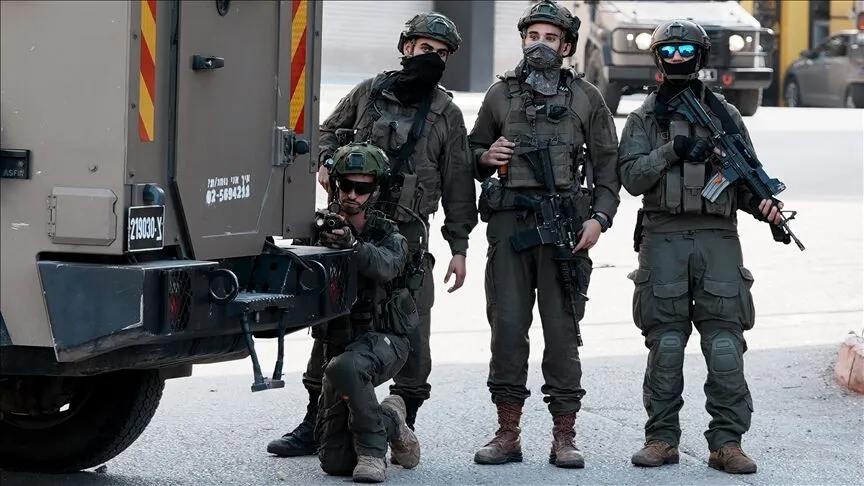

The US strike on two Iranian launchers on Larak Island increases the risk of renewed escalation around the Strait of Hormuz, a waterway that carries about one-fifth of global oil and liquefied natural gas shipments. US Central Command said the launchers were being prepared by Iran’s Islamic Revolutionary Guard Corps to fire rockets fitted with sea mines into the strait. Washington also said it recently completed work to remove or destroy mines from the shipping lane.
Iran acknowledged the attack and reported several killed or wounded, and the IRGC has vowed retaliation, raising the prospect of further military exchanges. The strike followed a pause in US operations against Iran, and Tehran had earlier warned that attacks on its territory or moves to control the strait could prompt countermeasures. The incident underscores how quickly maritime security can affect global energy markets.
In the Himalayas, Nepali officials say they requested more detailed Chinese data on glacier movement, water levels and flood risk three months before a catastrophic flash flood on the Nepal-China border. At least 359 people were reported killed and nearly 1,000 remained missing in the disaster’s early aftermath, which also destroyed infrastructure and border facilities. Nepali authorities are pressing for stronger cross-border early-warning systems as climate-driven glacier hazards intensify, while China has not replied to requests for comment on the data sharing talks.
Europe faced two sudden crises. In Switzerland, a 22-year-old Italian woman, Maria Spinelli, was killed and five others injured after shots were fired around 2:30am at a techno event at the Schachen race track near Aarau, about 46km west of Zurich. Swiss police launched a nationwide manhunt and appealed for photos and videos to identify the attacker; Italian Prime Minister Giorgia Meloni expressed condolences and urged Swiss authorities to determine responsibility. The motive remains unclear as investigators work the scene.
Off northern Cyprus a passenger ferry en route from Kyrenia to Turkey capsized in rough seas, killing at least eight people and leaving 18 missing. Local rescue services saved hundreds, and Northern Cyprus Prime Minister Ünal Üstel said the vessel carried 259 passengers and eight crew. Authorities detained the captain and seven crew while probes examine weather, the ship’s condition and possible negligence.
In diplomatic theatre, Canada erected a large shoreline sign reading “Lake Ontario. Now and Always.” Ontario Premier Doug Ford said the lake has carried its current name for centuries and will keep it, in response to an executive order by US President Donald Trump seeking to rename the lake after trade talks broke down. The dispute accompanies an escalating trade clash that saw the US impose 50 percent tariffs on about $20 billion of Canadian goods, and Ottawa announce matching duties. Other brief items in global headlines included Kenyan traders protesting an import duty hike, and South Africa securing $405m in NDB loans.
Expect tensions in the Gulf to dominate markets and diplomacy in the near term, while investigators in Switzerland and Cyprus continue probing violent and maritime incidents. Kathmandu’s call for better cross-border warnings highlights growing pressure on regional partners to coordinate disaster preparedness as climate risks rise.