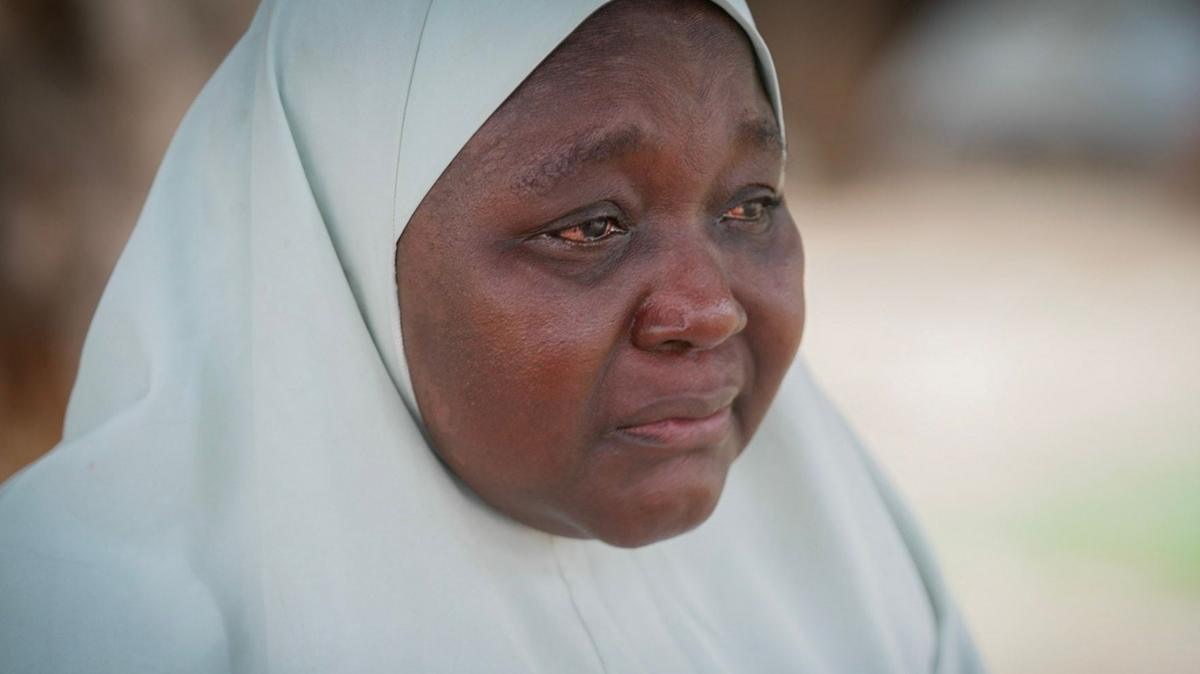

Communities in Nigeria’s north-west are losing lives, homes and livelihoods as kidnappings and mass attacks move south. Fatima, a 55-year-old from Bia Buki in Zamfara, describes an assault that began at 02:00 when gunmen split into groups to surround the village. "If you ran into a room, they set the room on fire," she tells the BBC World Service, adding, "If you came out and started running, they shot you."
About 70 people, including children, were killed in Bia Buki in June, Fatima says, and among the dead were her husband and six of his seven siblings. She fled into the nearby forest with her children and neighbours, sleeping in makeshift shelter before moving 16 miles, 25km, to the state capital, Gusau.
Fatima now lives in an informal camp in Gusau with seven children aged between nine and 30. She estimates more than 1,000 people share the compound. Conditions are harsh, food arrives irregularly and families send children to gather firewood to sell. She says 22 children have been kidnapped from the area. "When we had peace, we had our own wealth, but now the tables have turned and we have become beggars," she says.
The violence is driven largely by criminal gangs, locally called bandits, who often move on motorcycles to abduct residents for ransom, steal and force protection payments from farmers. Many attackers in the region are from the Fulani ethnic group, who historically raised livestock but are accused of turning to kidnapping and extortion. Attacks now target soft sites such as schools, places of worship and remote villages.
Data underlines the escalation. In the bandit heartlands of the north-west, incidents recorded by the international monitoring group Acled rose 78% in the first half of this year compared with the same period last year. Nigeria’s National Human Rights Commission reports that the number of kidnappings across the country doubled over the same period. "There is no region in northern Nigeria currently that does not experience one form of mass abduction or the other," Malik Samuel of Good Governance Africa says.
Nigeria’s security crisis is multi-layered. Alongside north-west bandits, the country faces an Islamist insurgency in the north-east, separatist unrest in the south-east and clashes in central states over land and water. The high-profile 2014 kidnapping of more than 200 schoolgirls in Chibok by Boko Haram remains a stark precedent for how abductions can reverberate internationally.
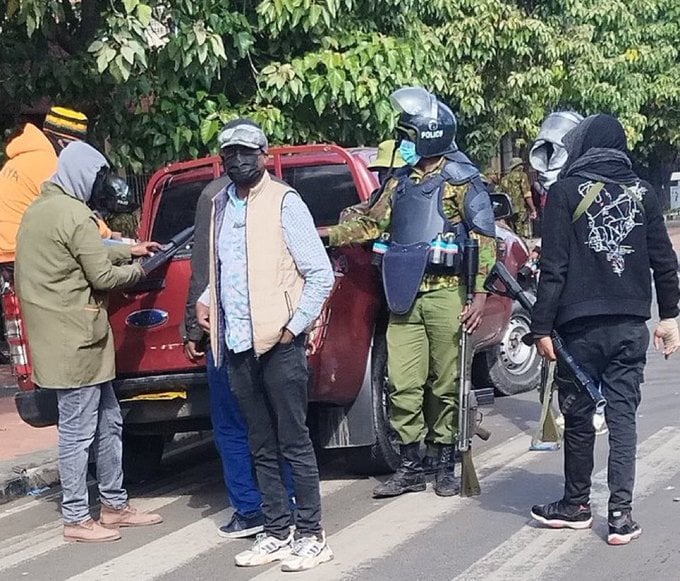
Military escorts and government-backed vigilante patrols have reduced some attacks around Gusau, but the spread of kidnappings into new areas has already displaced roughly 800,000 people, according to the UN, and placed new strains on meagre aid. With recorded incidents rising sharply and kidnappings spreading beyond traditional strongholds, fragile communities and overstretched security and relief systems are likely to remain on the front line.