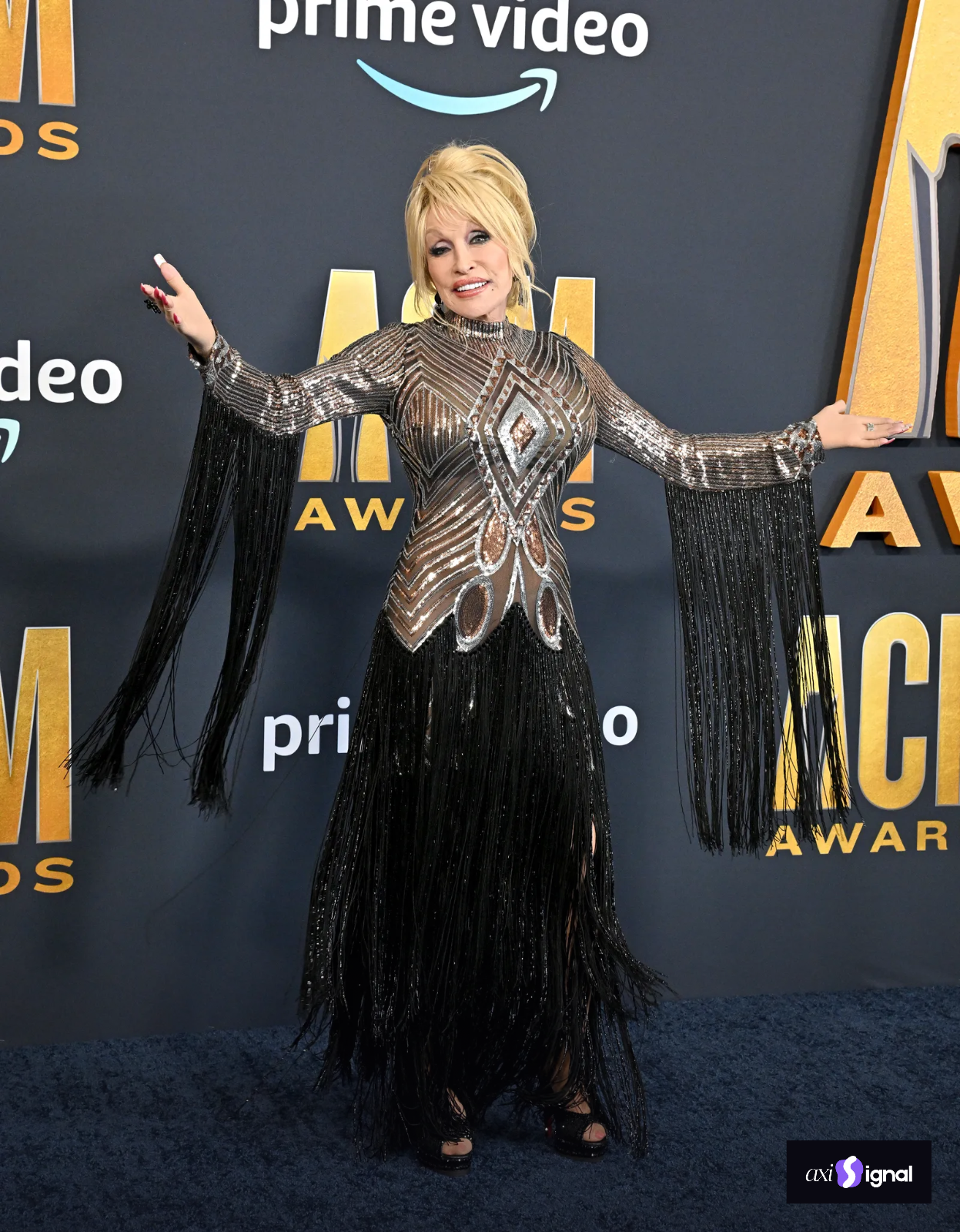

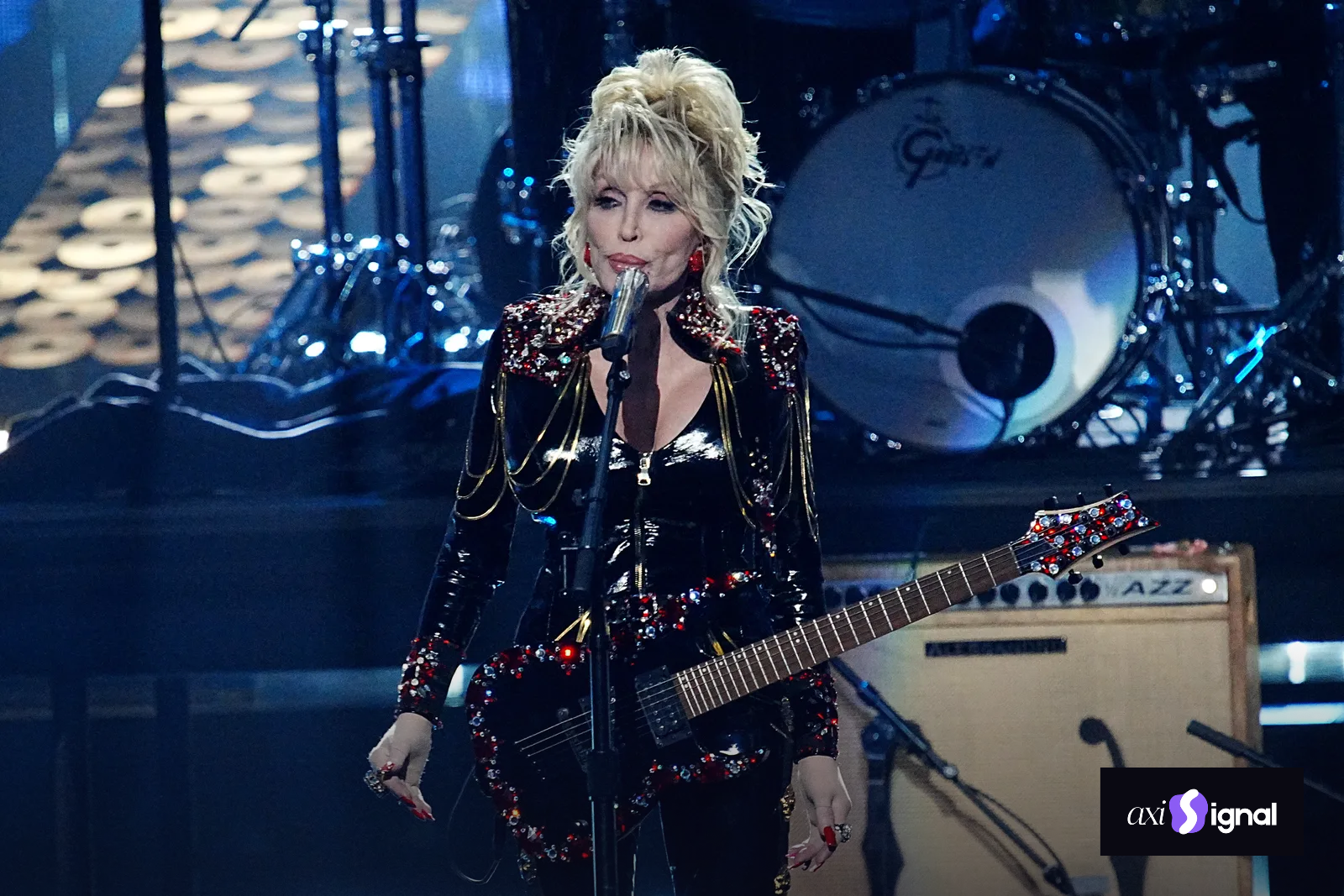
Steve Summers has turned Dolly Parton’s wardrobe into a durable identity, not a series of trend-driven statements. As the singer’s stylist and creative director for more than three decades, Summers has built a process that treats costume work as continuous production and preservation. His team makes roughly 300 custom outfits a year, and “there is an outfit in production every single day,” he says. When Parton makes appearances, “10 outfits in a day is not unusual.”
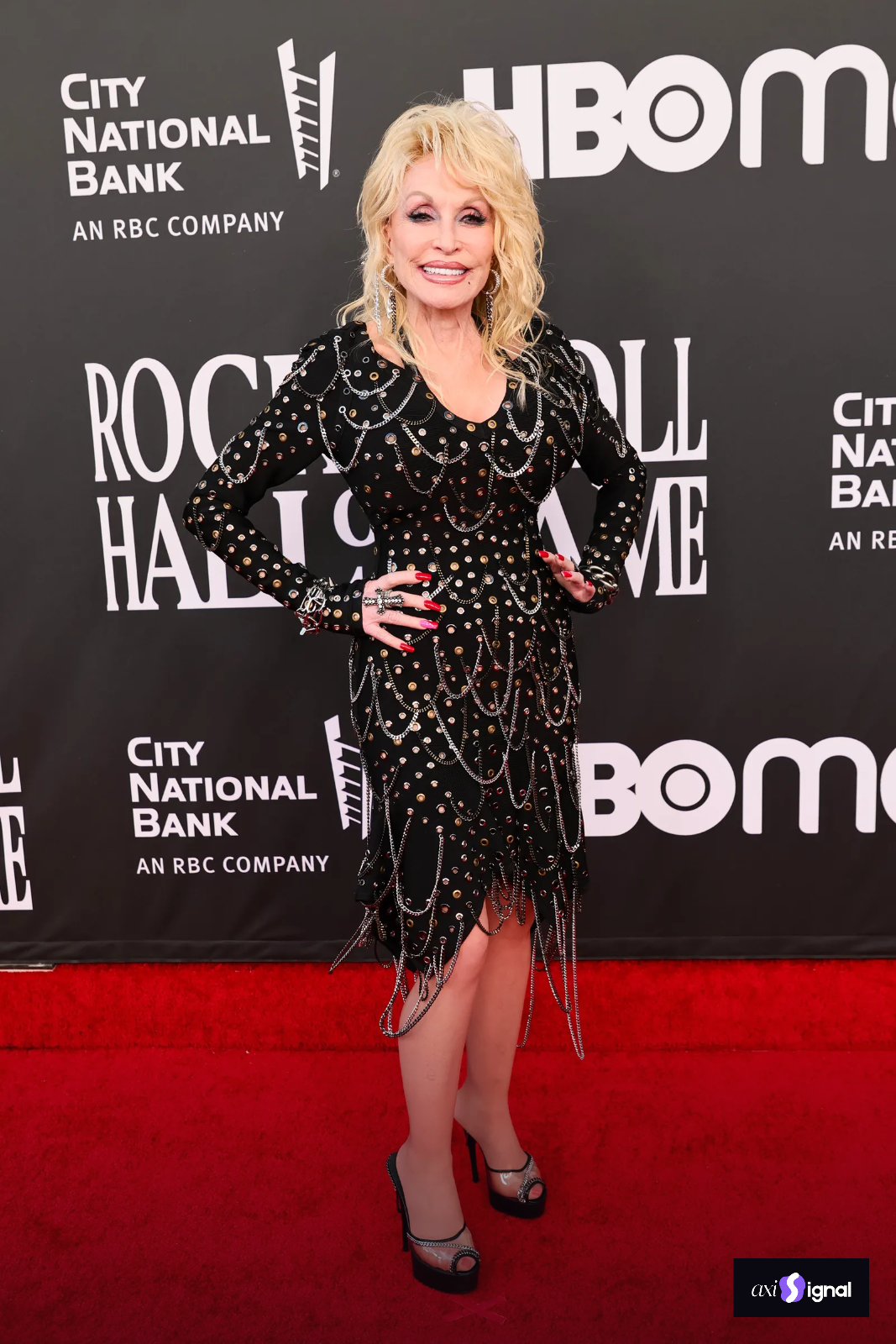
Summers describes the work as tailoring the many roles Parton plays. “Designing for Dolly is great, because there are so many [Dollys],” he told Vogue in 2023. The costumes must land for the philanthropist, the performer, the actor and the business owner, often in the same week. Even garments bought off the rack undergo visible change. “Even if she wears a dress that’s off the rack, it doesn’t look like it by the time she gets it on,” says Summers, “There’s a customization that happens no matter what she’s wearing.”
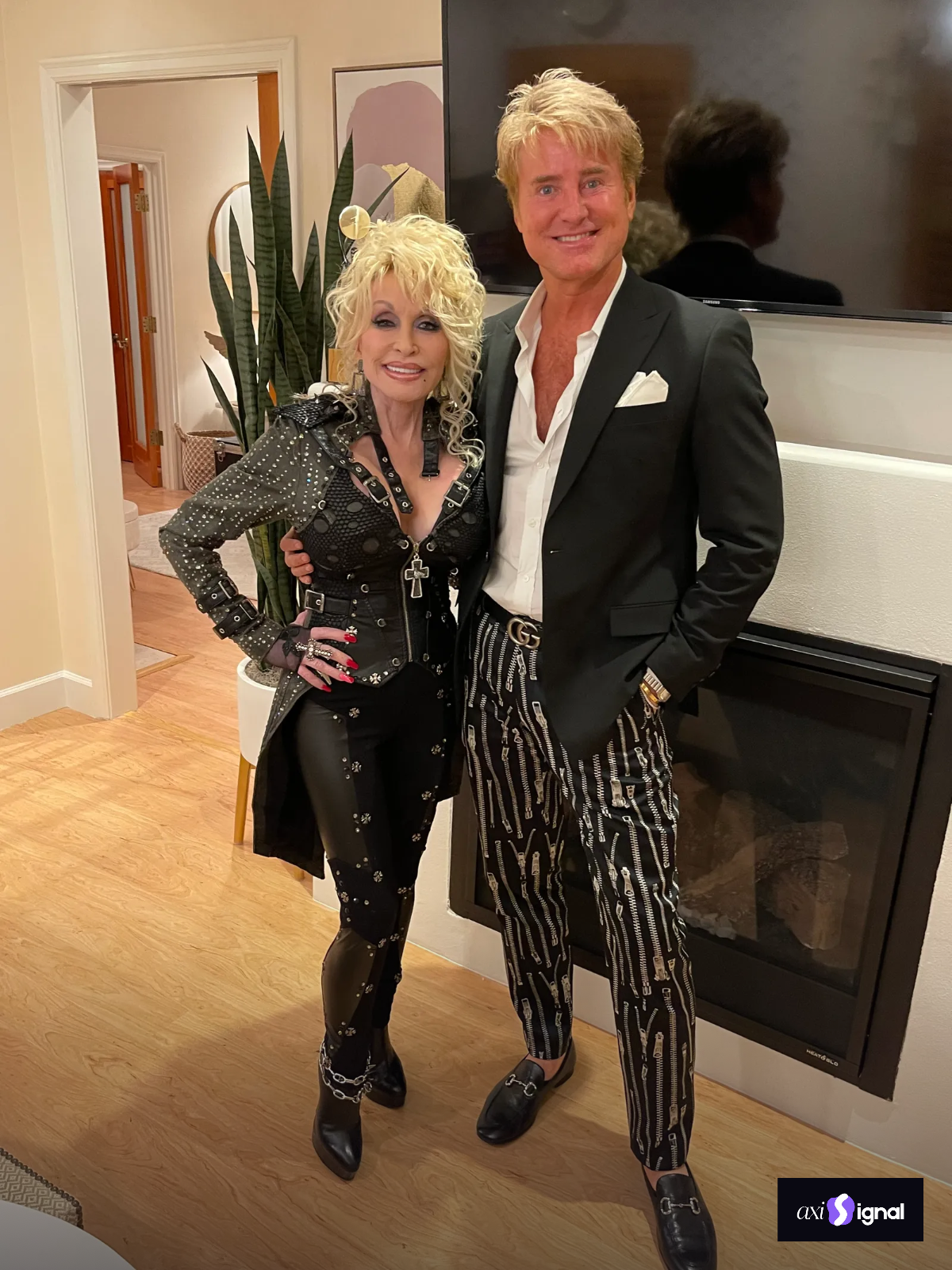
The visual formula is simple and consistent. Summers says Parton has long favoured hourglass silhouettes, often cinched at the waist and frequently monochromatic. “She’s always cinched at the waist, and they’re often monochromatic,” he says. He adds, “She's a very petite woman, so it's easy to overwhelm her—it’s easy for the clothes to wear her, and I don’t like that.” The pieces read as straightforward from a distance, yet Summers stresses they can be intricate up close. “She’s known as a fashion icon, but the clothes are relatively simple,” he says. “They’re very intricate in detail, though.”
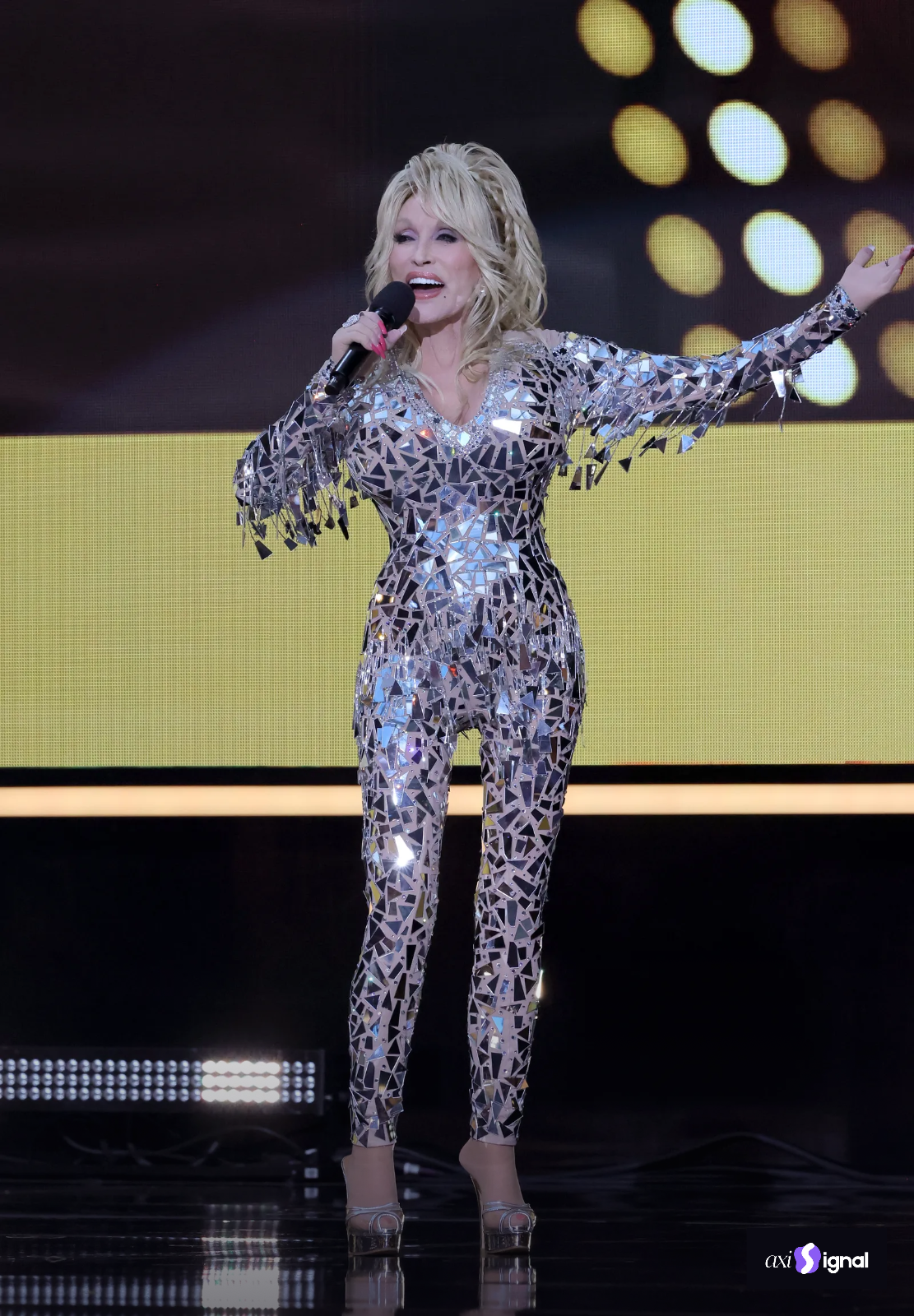
Footwear illustrates the same bespoke logic. Parton almost exclusively wore 140-mm heels, and Summers says the shoe pitch requires custom lasts for comfort. “The pitch on the shoe is very high, so we have the lasts custom-made for comfort,” he says. “We design all of the shoes in-house: She has a dear friend who is a shoe manufacturer, and we have a guy here in Nashville, too.”
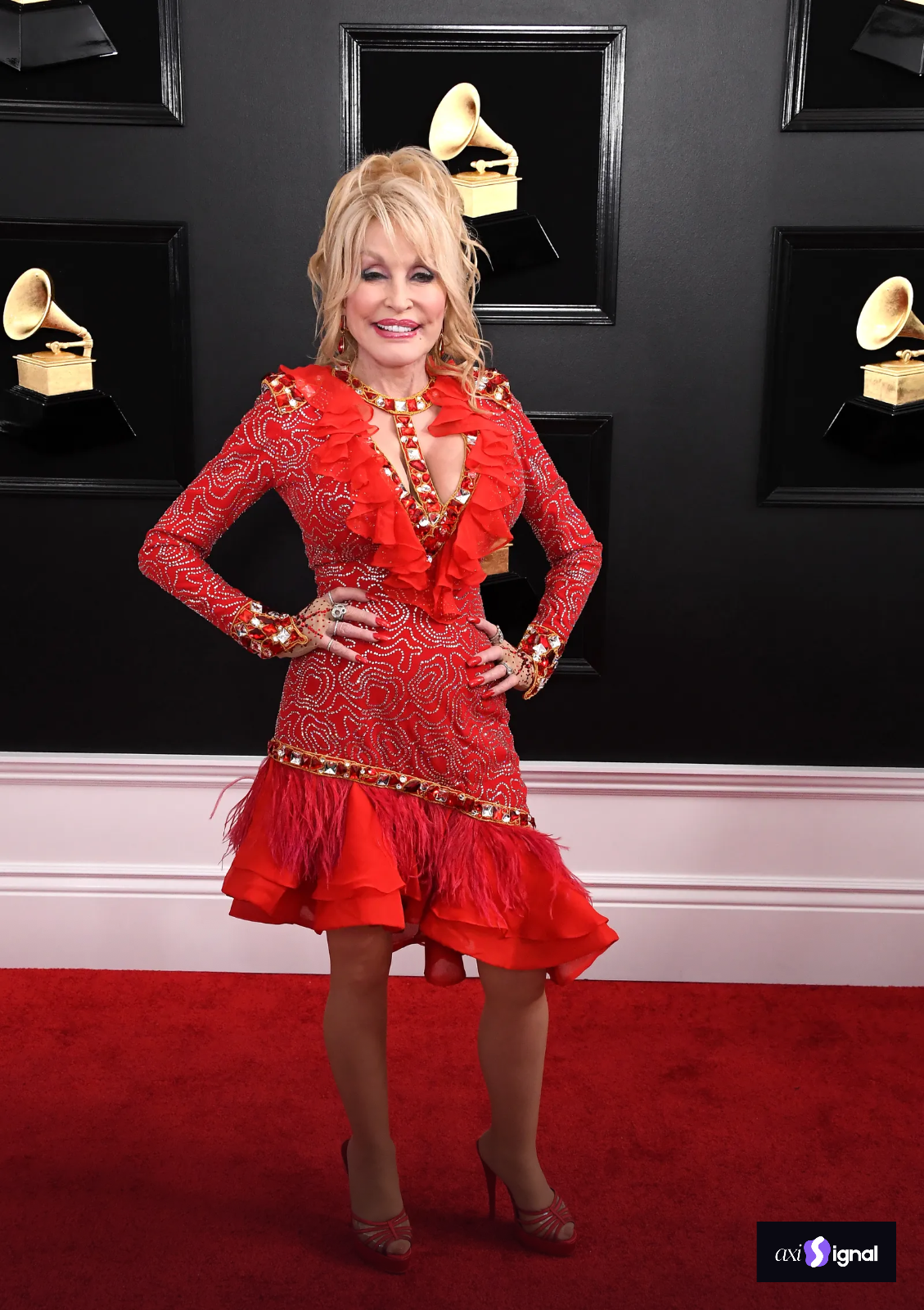
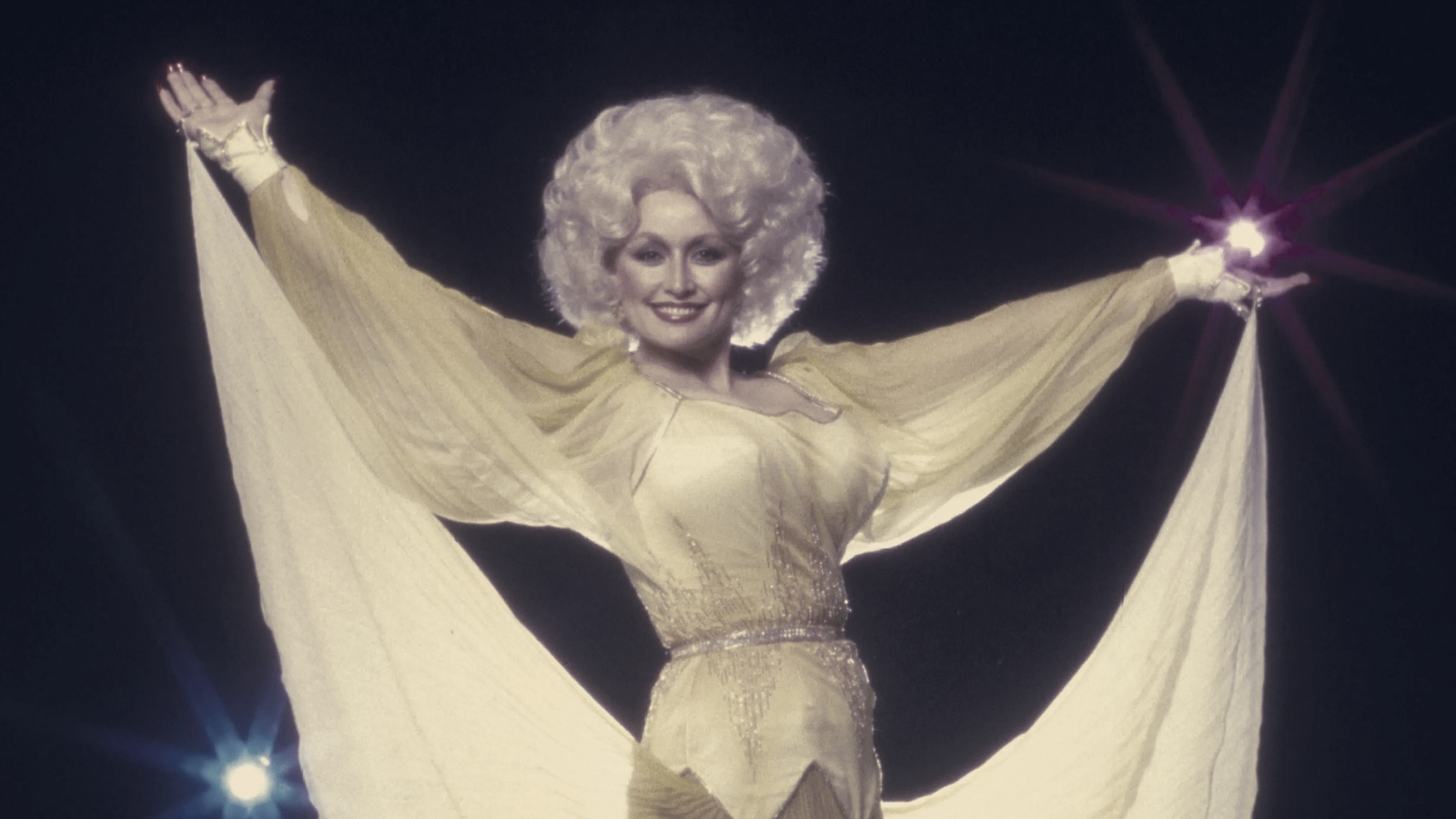
Everything Parton ever wore is catalogued. “It’s all computerized by color, genre, or style,” Summers says. “We have the majority of Dolly’s garments that she's worn since 1964.” Still, Summers and Parton prefer to move forward. “We’re not trying to [re-invent] the wheel—we’re just trying to keep it rolling,” he said. That forward focus, combined with a relentless production rhythm and a meticulous archive, helps explain how Parton’s look has remained instantly recognisable for decades.