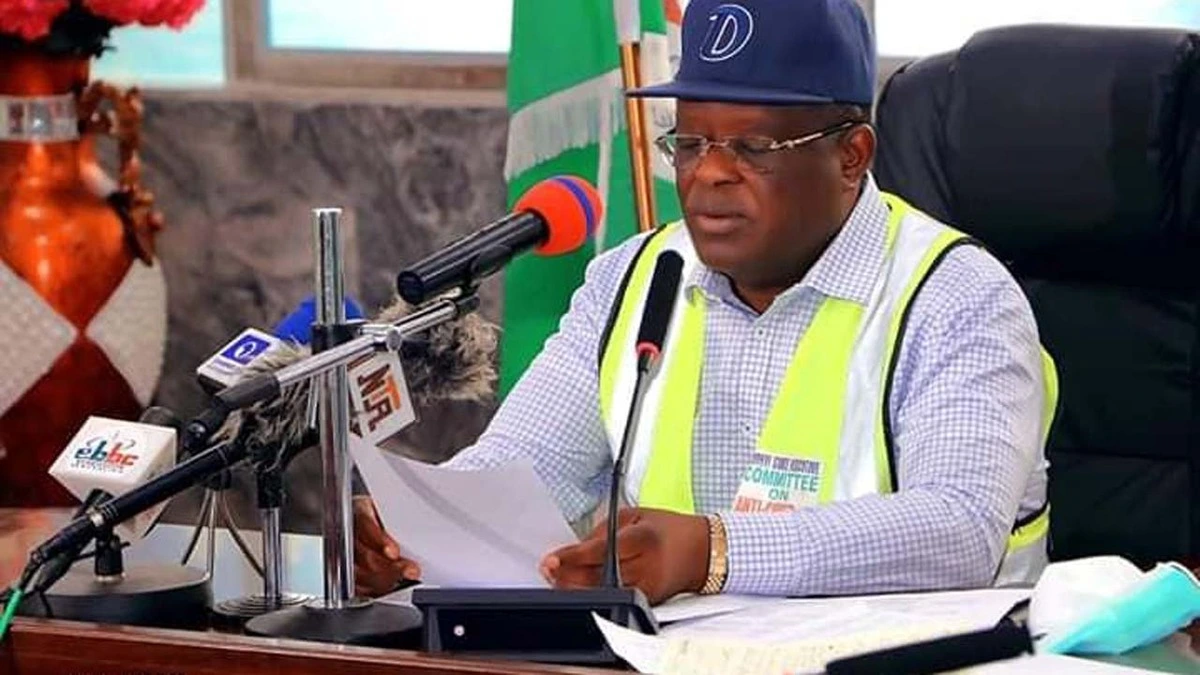

Completion is now targeted for 2031, the Federal Government says, putting a fixed horizon on the Trans-Sahara Superhighway as ministers press to turn long-running plans into reality. Minister of Works David Umahi made the announcement after inspecting work on Section Two in Ado Local Government Area of Benue State, where contractors are progressing despite seasonal rains.
The corridor is split into multiple segments. Section One measures about 123 kilometres from Ebonyi to the Ebonyi-Benue boundary, while Section Two runs roughly 173.4 kilometres through Benue, Enugu and adjoining states. Umahi said the two stretches combine to nearly 300 kilometres and that their completion will tighten links between communities and improve access across the route.
Officials cite clear economic and security effects, noting the road will ease the movement of farm produce from major agricultural zones in Benue, Ebonyi and Enugu and boost commerce along the corridor. The government is also advancing related works, including the 8.9-kilometre Afikpo bypass in Ebonyi State, which is being dualised to complement the main route.
Umahi acknowledged a major constraint, funding, and said the pace of delivery will reflect the resources available to the administration. He appealed to host communities for cooperation, asking them to grant contractors access to borrow pits and to assist with valuations for crops and properties affected by construction. He assured affected owners that compensation would be paid where required, and he praised the contractor for sustaining activity during the rainy season.
The Trans-Sahara project has seen shifts in scope and financing as it moved up a list of priority highways that includes the Lagos-Calabar Coastal Highway, Abuja-Kano Road and Akwanga-Jos-Bauchi-Gombe Road. The government has previously sought external finance to support the corridor, an option that remains part of delivering the 2031 timetable.
The target gives planners and financiers a deadline, but the highway’s completion will depend on continuous implementation and steady funding through the rest of the decade. For now, progress will be measured section by section, with community cooperation and budget allocations determining whether 2031 is achievable.