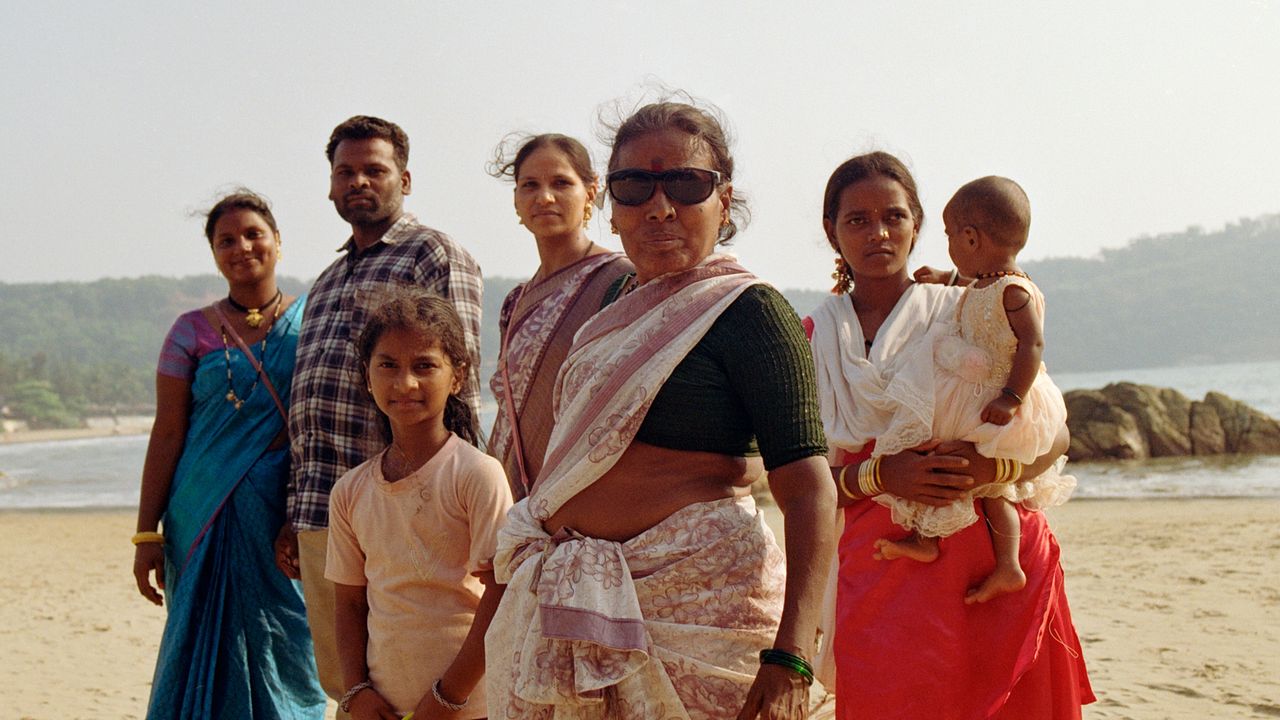

South Indian women gain public visibility through Lucia Jost’s photographic series, Daughters of Devi. Over four weeks, Jost travelled from Mumbai to Kerala, moving between cities, villages and family homes to document how women inhabit, sustain and transform their everyday environments.
Jost frames the project around the relationships that shape daily life. She sought out sisters, daughters, mothers and friends, photographing moments of care and companionship in kitchens, courtyards, bedrooms and on the street. Those women-only spaces, she found, operate as sites of solidarity where humour, secrets and small freedoms surface across very different social realities.
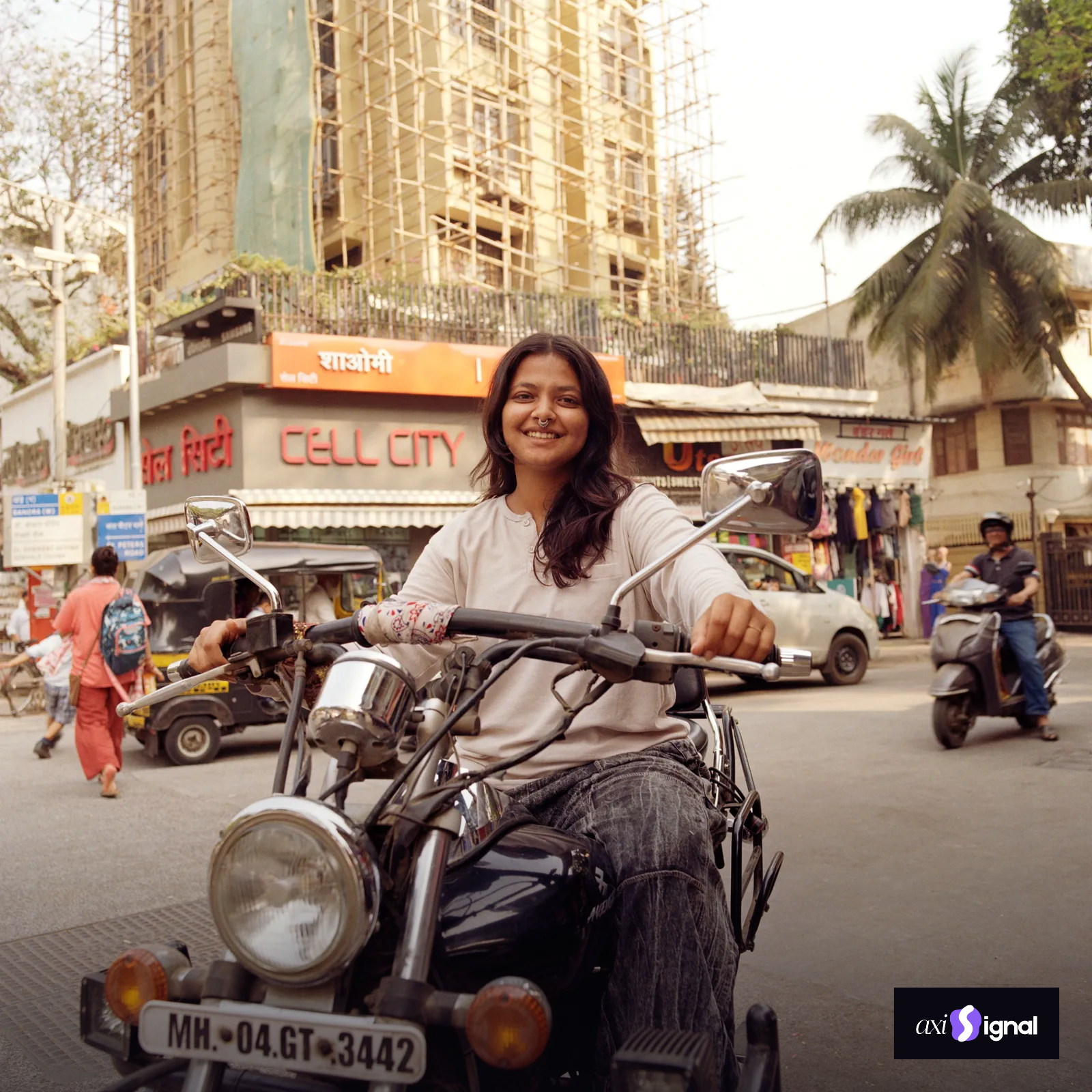
The series traces generational and geographic contrasts. Some images capture young women still awaiting access to education, basic infrastructure or greater independence. Others show women navigating modern cities, studying, working and making choices increasingly separate from traditional expectations. Jost moves between rural and urban scenes to show how inherited traditions and new possibilities intersect.

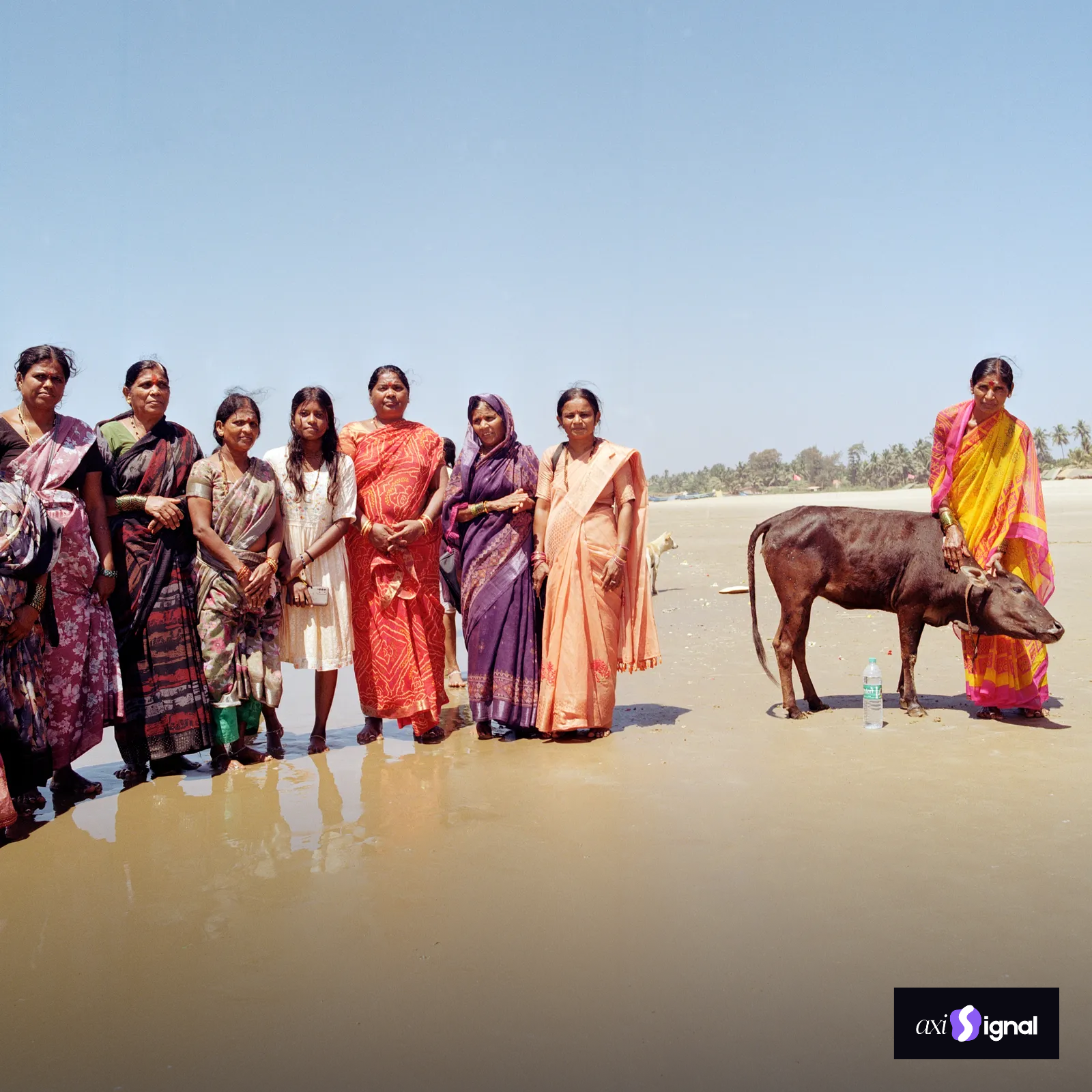
Individual photographs anchor the project in place. There is a girl on a motorbike in Mumbai, a family outing in Kannur featuring Paruta with her sister, daughter and granddaughter, a Hindu pilgrimage group in Gokarna, and young women in traditional saris heading to a high school graduation in Chowdy, Goa. Jost also records a group that travelled more than 30 hours with their guru to bathe in the Tungabhadra River at Hampi, and three young women making TikTok videos on a Mumbai beach. Those sequences underline both ritual continuity and contemporary expression.
Jost, a Berlin-born and based portrait photographer who works primarily with analogue photography, blends documentary observation with staged composition. She has long explored female perspectives, Berlin’s subcultures and the relationship between women and urban space, and sisterhood and community recur as motifs across her work. She describes Daughters of Devi as “a love letter to the young women I encountered,” directing attention to their tenderness, strength and the quiet worlds they build together.

The title references the divine feminine, Devi in Sanskrit for “Goddess,” but Jost resists idealisation. Her images present women as individuals carrying contradictions, obligations and desires, negotiating education, independence and sexuality within a changing India. The photographs do not define womanhood, they make intimate lives visible, and in doing so they offer a portrait of a society in transition.

The series extends Jost’s ongoing photographic exploration of intimacy and the invisible architectures of care that organise women’s lives, whether in South India or in Berlin. Daughters of Devi positions those private networks in public view, insisting that the connections women form are central to how communities endure and change.