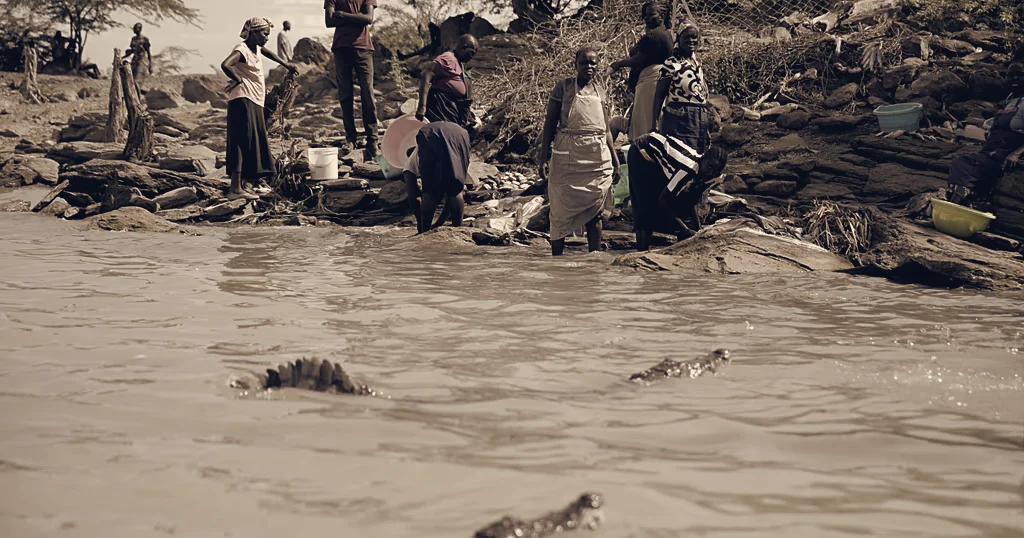

Residents around Lake Baringo now face a changed risk environment, after Kenyan wildlife officers began capturing crocodiles that have moved closer to inhabited shores. The action responds to rising water levels that have altered habitat edges and increased encounters between people and the reptiles.
Officers are trapping animals along the lake's shoreline, carrying them away from areas where communities live and work. The stated goal is to curb growing human-wildlife conflict, a short-term public safety measure intended to reduce attacks and property damage tied to closer contact between people and crocodiles.
Removing animals from immediate contact zones relieves pressure on local communities, but it shifts responsibility onto wildlife management agencies. Capturing, transporting and releasing large predators require manpower, equipment and suitable release sites, and those operational needs persist as long as lake levels remain elevated.
Relocation provides a tactical response, it does not address why crocodiles are moving onto shores. Rising waters change foraging and resting patterns, and may push animals into areas previously unsuitable for them. Without measures to understand and manage these environmental shifts, similar episodes could recur as seasonality or other drivers alter the lake's edge.
Authorities will need to balance public safety with the welfare of the animals and the ecological role crocodiles play in the lake system. For now, trapping and relocation aim to reduce immediate clashes, while monitoring of both lake levels and animal movements will determine whether further interventions are required.
The operation is ongoing, and its effectiveness will depend on continued field work and coordination between wildlife officers and local communities as conditions at Lake Baringo evolve.