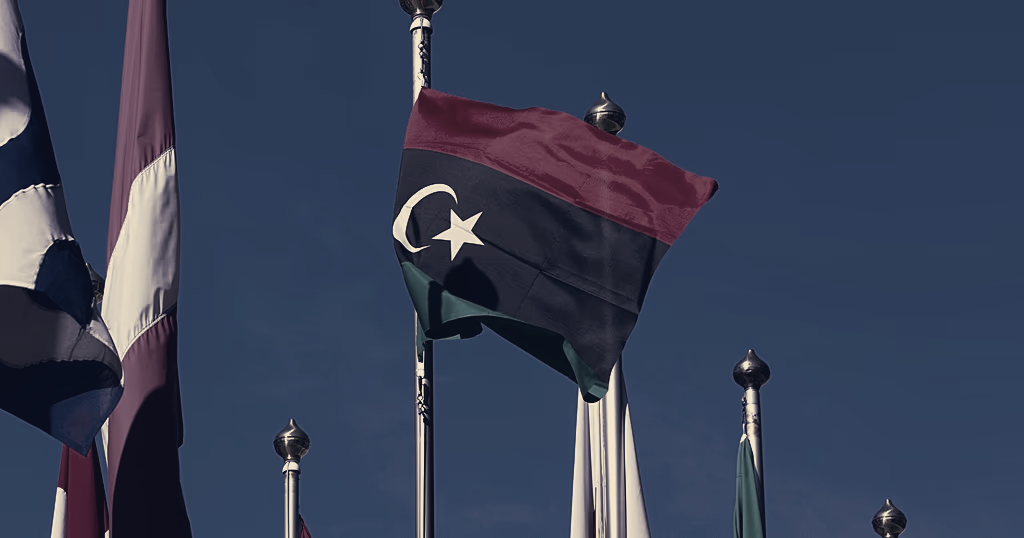

Libyans gain a clear electoral timetable after rival eastern and western administrations agreed to hold national elections within the next two years. Representatives from both sides signed a 4+4 Committee accord designed to reunify the country’s institutions and place a single authority in charge of voting.
The deal, reached after months of UN-sponsored talks, commits the parties to restructure the electoral commission and to resolve outstanding disputes over electoral law. The signatories said the vote will be organised by a unified authority and by what they described as "unique national sovereign institutions." Moussa Al-Koni, Vice-President of the Libyan Presidential Council, framed the step as a rare political opening, saying, "Our participation today is in support of a political opportunity that must be safeguarded and built upon."
Abdul Rahman Al-Abbar, a member of the 4+4 Committee who represents the eastern administration, called the agreement the culmination of concentrated negotiations. He said, "Today, in this important forum, with the signing of the results of the work of the 4+4 Committee, this is the culmination of work carried out by this small group of men, who have acted with genuine national will and sound intentions. They have made major mutual compromises, thanks to which we have overcome all obstacles and all difficulties."
The accord comes against the backdrop of a long-running split in governance that followed the 2011 ouster of Muammar Gaddafi. Since then Libya has operated with two rival administrations, one in the west led by Abdulhamid Dbeibah’s internationally recognised Government of National Unity, and one in the east aligned with Khalifa Haftar’s Government of National Stability.
Observers note talks that led to the signing reportedly began late last year after both sides asked Pakistan to mediate. The immediate tasks triggered by the agreement are clear, the parties say: redesign the electoral body, settle legal disputes that could block a vote, and convene joint institutions to oversee the process. Delivering an all-Libya election within two years will depend on moving those administrative and legal steps from signed commitments to functioning arrangements.