
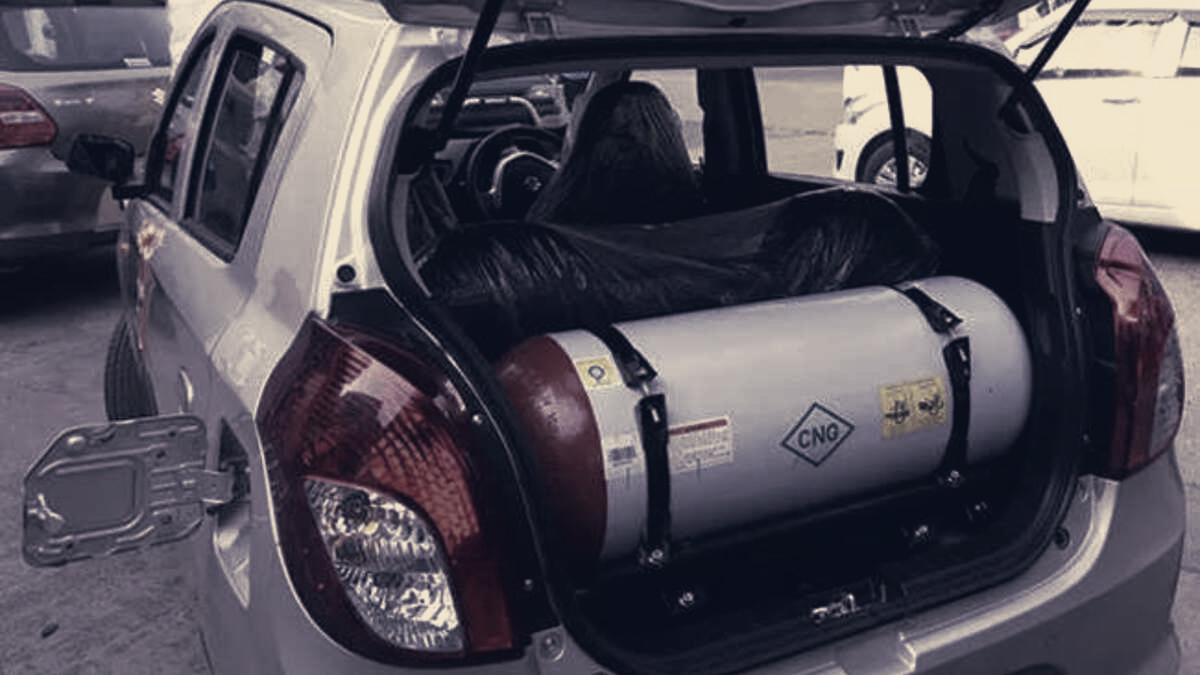
Commercial and private motorists risk losing the cost advantage promised by compressed natural gas because conversion costs, limited refuelling infrastructure, safety concerns and supply interruptions are preventing reliable access to CNG. While the Presidential Initiative on Compressed Natural Gas and Electric Vehicles, Pi-CNG & EV, is expanding conversion centres and stations, drivers say the practical barriers are large enough to undermine the economics of switching from petrol or diesel.
For many owners the upfront price is prohibitive. An Abuja commercial driver, Paul Ngila, reported paying ₦650,000 to convert his vehicle. An analyst at Kwik Securities, Israel Ndanusa, has previously said conversion averaged about ₦325,000, a level beyond what many small operators can raise. Operators who rely on daily fares and trips face a difficult trade-off between the one-off conversion bill and the future stream of lower fuel bills.
The potential savings are substantial where refuelling is convenient. A vehicle owner cited by Pi-CNG reportedly cut weekly fuel spending from about ₦300,000 on petrol to roughly ₦22,000 after converting. Abuja SME owner George Bukus said several trips that would have cost more than ₦22,000 in petrol required only ₦1,200 in gas. Other drivers described reductions in weekly commuting costs from between ₦50,000 and ₦60,000 to about ₦15,000. Those figures underline why motorists consider conversion despite the cost.
But access problems blunt those gains. Drivers recounted long queues, long travel distances to working stations and supply gaps that sometimes forced them back to petrol. Abuja commercial operators including Bade Shitu and Usman Maji described the time lost waiting for fuel as a major operational burden. Kingsley Orji and a public servant named Buchi both said they reverted to petrol when stations were unavailable, erasing much of the expected savings.
Reliability is also a safety concern. A recent incident in Abuja, in which a CNG cylinder reportedly exploded during refuelling, has increased scrutiny of installation standards and component provenance. A source close to NIPCO refill stations acknowledged supply interruptions had affected some stations, saying delays can occur at different stages of the supply chain.
Financing models that spread conversion costs over time could widen uptake, but repayment plans must match the irregular income patterns of drivers and small transport businesses. Some motorists reportedly took loans expecting fuel savings to cover repayments, a calculation that breaks down if supply is unpredictable. The path to broader adoption therefore requires not only more stations and trained technicians, but also reliable supply chains, stronger safety oversight and financing arrangements suited to low-margin operators. Until those pieces fall into place, the programme risks converting vehicles that cannot dependably use cheaper gas.