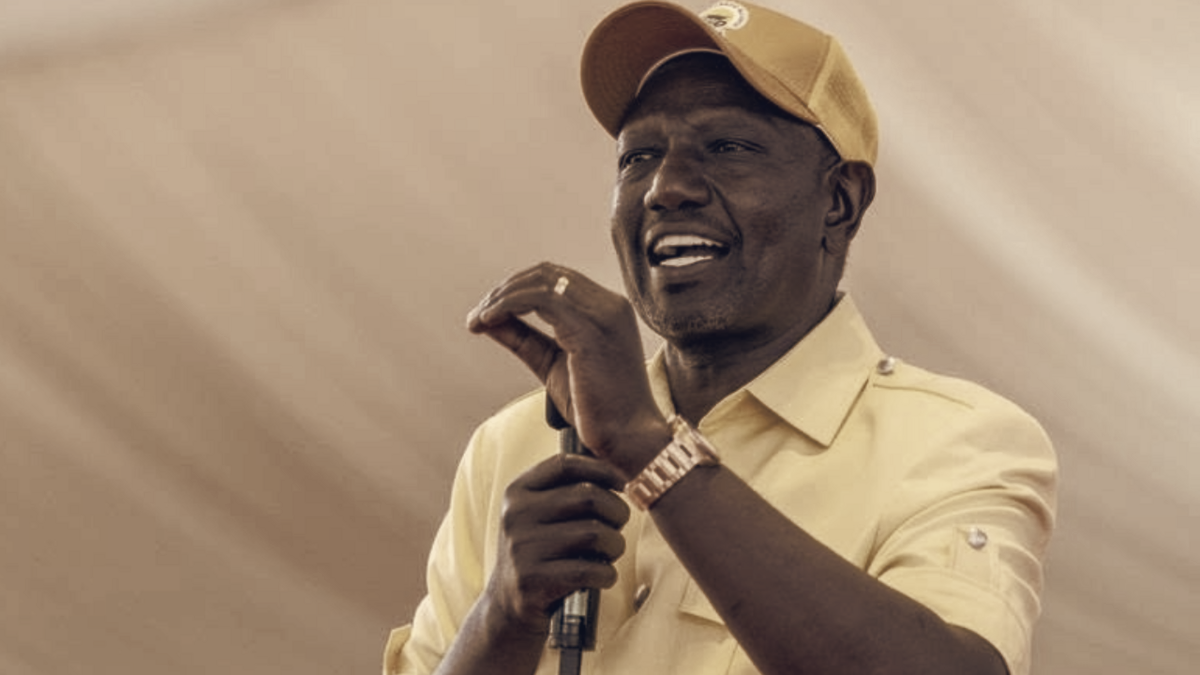

Foreign nationals running small-scale shops and street stalls in Kenya must close from next week, President William Ruto announced, a move that tightens enforcement on migrants working in the informal economy. Ruto said he will also fast-track proposed legislation that would preclude foreigners from certain areas of trade.
Speaking to small-scale traders at State House in Nairobi, Ruto framed the action as protection for local traders. "From next week, all [foreign] traders doing those small businesses should close them," he said, and added that Kenya remains open to investment but expects investors to generate jobs and increase production rather than compete with Kenyans in small businesses. "It cannot be that a person comes from China or elsewhere to be a hawker or open a small shop," he said.
Ruto’s remarks follow mounting public debate about the presence of African migrants in Kenya’s informal sector. Government figures show about 857,000 registered refugees and asylum seekers by the end of June, with nearly 14% living in urban areas. Kenyan law allows refugees to work and operate businesses if they obtain appropriate documentation, and refugees can apply for a special permit to trade legally.
Migrants and refugees are visible across Nairobi and other towns, working in barber shops and salons, construction, operating motorbike taxis, and street vending, as well as selling clothes, food and household goods. It is unclear how many foreign nationals run the small-scale businesses targeted by Ruto’s order, or how many would be affected if enforcement ramps up.
The announcement risks inflaming tensions that have already surfaced in public incidents. In July a video of a Kenyan man confronting a Burundian trader drew widespread criticism and prompted calls for restraint. Fred Ngoga, an expert on regional conflict prevention from Burundi, appealed for protection for his citizens, saying, "The majority of Kenyans are decent and good people who welcome their brothers and sisters from Burundi," and added most Kenyans had rejected the hostility directed at the trader. Kenya’s foreign ministry moved to reassure Burundians and other East Africans living in the country after the clash.
Ruto’s statement comes as he prepares to seek a second term in the election next year, and it is likely to provoke controversy given Kenya’s role as a regional economic hub. What happens next depends on how authorities implement the closures, how fast the proposed laws move through the system, and whether enforcement will distinguish between undocumented traders and those legally permitted to work.