
This Lassa fever season is deadlier, with the Nigeria Centre for Disease Control and Prevention recording 252 deaths by epidemiological week 33 and a case fatality rate of 24.4 percent. New confirmed infections rose to 14 between August 10 and 16, 2026, up from four the previous week, the NCDC said, with fresh cases reported in Ondo, Bauchi, Edo and Benue states.
The agency’s data show 1,035 laboratory-confirmed infections so far this year, alongside 7,426 suspected cases and six classified as probable. The outbreak is widely distributed, affecting 23 states and 117 Local Government Areas, but five states account for the vast majority of confirmed infections. Ondo alone represents one third of confirmed cases, Bauchi one quarter, Taraba 13 per cent, Edo 10 per cent and Benue six percent, together making up 87 per cent of the national total.
Young adults are most affected, with the 21–30 age group bearing the highest burden. Cases span from age one to 93, the median age is 30 years, and the male-to-female ratio among confirmed cases is 1:0.9. The NCDC says the higher fatality rate this season exceeds the 18.6 per cent reported in the same period in 2025, and links that rise to late presentation and poor health-seeking behaviour among patients.
The agency lists several obstacles to controlling the outbreak, including late presentation, high treatment and clinical management costs, poor environmental sanitation, inadequate awareness in high-burden communities and infections among healthcare workers. To reduce frontline infections, the NCDC developed a 30-day Healthcare Worker Protection Plan with support from the World Health Organisation and the US Centers for Disease Control and Prevention.
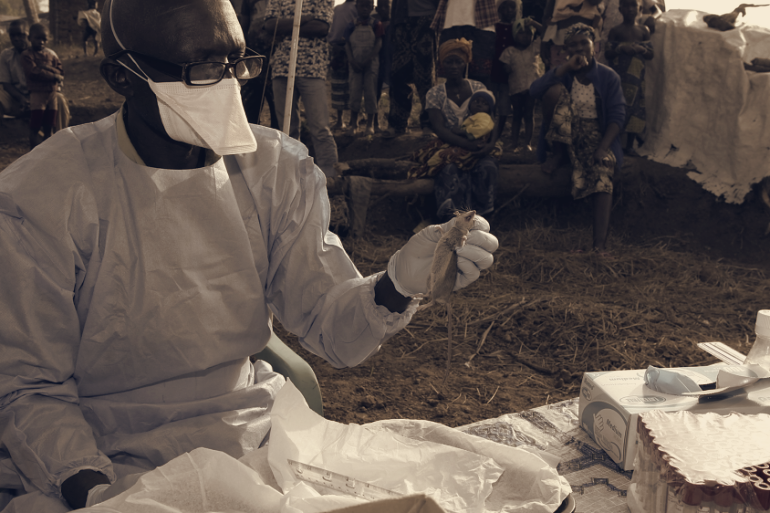
Response measures include strengthened surveillance, expanded contact tracing, boosted laboratory diagnosis capacity, reinforced infection prevention and control, and enhanced risk communication and case management. Personal protective equipment has been pre-positioned and distributed to facilities, national rapid response teams have been deployed across seven high-burden states, and active case search and contact tracing continue. Additional training on case management, screening, triage and infection prevention is being delivered to health staff.
The NCDC urged states to sustain community engagement year-round to raise awareness and promote earlier care-seeking, warning that delayed presentation will worsen outcomes. Response teams remain deployed and authorities stress the need for prompt recognition, timely referral and treatment to reduce further fatalities.